A well-built payroll clerk job Template gives employers a consistent way to define the role, communicate expectations, and attract candidates whose skills match the actual payroll workflow. A useful template should do more than list routine clerical tasks. It should explain the purpose of the position, reporting relationship, core responsibilities, required skills, preferred experience, confidentiality expectations, and the standards used to judge accurate and timely work.
The search intent behind a payroll clerk template is usually practical. Employers may be preparing a vacancy announcement, updating an internal role profile, creating an onboarding document, or comparing responsibilities with a payroll assistant or payroll specialist position. Candidates may also be looking for a clear picture of what the position involves so they can tailor their resume. Current payroll role descriptions commonly emphasize timekeeping, payroll data entry, wage calculations, deductions, record maintenance, payment processing, reconciliation, reporting, and employee questions.
This article explains how to build a strong payroll clerk role document, what information belongs in each section, how to choose between common document formats, and how to turn a basic outline into a useful hiring tool. It also includes practical examples for employers and candidates, along with visual references showing payroll registers, worksheets, timesheets, reports, and job-description layouts.
What a payroll clerk job template should accomplish
A payroll clerk position exists to support accurate and timely payroll administration. Depending on the organization, the clerk may collect employee time records, enter approved payroll information, calculate regular and overtime earnings, process deductions, maintain employee records, prepare reports, and help resolve discrepancies. The exact scope depends on the employer’s payroll system, workforce size, pay frequency, and division of responsibilities between payroll, HR, accounting, and management.
The strongest template turns those activities into clearly defined responsibilities rather than vague phrases such as “helps with payroll.” A hiring manager should be able to read the document and understand what the clerk owns, what information the clerk receives from others, what systems the clerk uses, and which tasks require approval. This distinction is particularly important when payroll errors need to be traced back to a specific processing stage.
A good template also separates essential requirements from preferred qualifications. For an entry-level position, an employer may value accurate data entry, basic mathematics, spreadsheet proficiency, organization, confidentiality, and willingness to learn payroll software more than extensive payroll experience. More advanced roles may require reconciliation, multi-location payroll exposure, tax knowledge, benefits deductions, or experience with a particular payroll platform.
Core sections of a payroll clerk job template
The first section should identify the position. Include the job title, department, supervisor, employment status, work location, and any other details that are genuinely relevant to the vacancy. If the organization has multiple payroll teams, the department name can help candidates understand whether the role sits within finance, accounting, HR, or a dedicated payroll function.
Next, add a concise purpose statement. A strong payroll clerk job summary should explain the role in one short paragraph without attempting to include every individual task. For example, a suitable summary might state that the clerk supports accurate payroll processing by maintaining employee time and payroll records, entering approved changes, checking calculations, processing deductions, preparing reports, and responding to routine payroll inquiries.
The third foundational element is the responsibility section. This is where the template should become specific. Instead of saying “handles payroll,” identify activities such as reviewing timesheets, entering approved hours, checking overtime, updating employee records, processing deductions, reconciling payroll reports, preparing payment information, and escalating discrepancies. Specific language makes the position easier to understand and easier to evaluate.
Understanding the job duties for payroll clerk positions
The most common job duties for payroll clerk positions begin with collecting and verifying payroll inputs. These inputs can include regular hours, overtime, leave, bonuses, commissions, rate changes, new-hire information, terminations, and approved deductions. The clerk may receive the information from supervisors, HR records, timekeeping systems, or an integrated payroll platform.
Data verification is just as important as data entry. A clerk should compare submitted hours with available records, investigate unusual changes, confirm that required approvals exist, and flag inconsistencies before the payroll run is finalized. A template should therefore describe accuracy and verification as active responsibilities rather than treating them as implied parts of the job.
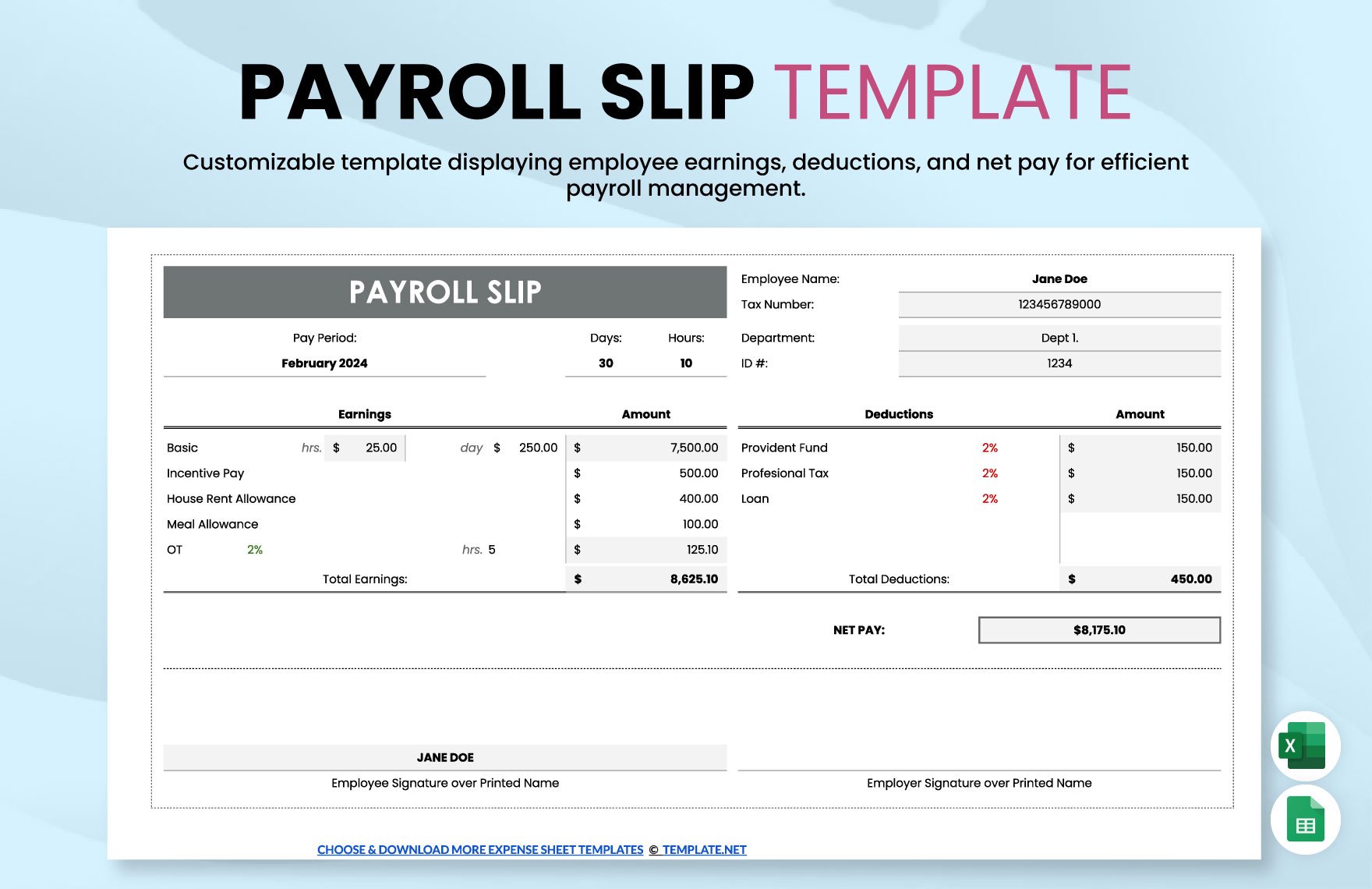
Payment processing is another major area. Depending on the employer, a payroll clerk may prepare payroll for direct deposit, paycards, paper checks, or other approved payment methods. The role can also include preparing earnings statements, maintaining payroll registers, responding to routine employee questions, and correcting approved adjustments. Current payroll job descriptions from major employment resources consistently describe these functions as central to the position.
Typical responsibility categories
- Collect and verify approved employee time records.
- Enter payroll data accurately into the designated system.
- Calculate or verify regular hours, overtime, bonuses, commissions, and other earnings.
- Process authorized deductions and adjustments.
- Maintain accurate employee payroll records.
- Review payroll reports for unusual amounts or discrepancies.
- Prepare payment and earnings information according to internal procedures.
- Respond to routine employee questions about pay records and deductions.
- Coordinate with HR, accounting, supervisors, and payroll leadership when information is incomplete.
- Protect confidential compensation and employee information.
The responsibility list should be adjusted to the actual position. A small employer may expect one clerk to perform most of these activities, while a larger organization may divide them among payroll clerks, payroll specialists, HR staff, benefits teams, and accounting personnel. The template should never promise responsibilities that the position does not actually perform.
Qualifications and skills to include
Payroll clerks need a combination of numerical accuracy, organization, computer literacy, and discretion. Because payroll records can contain compensation information, banking details, tax information, and other personal data, reliability and confidentiality are important selection criteria. A job template should describe these expectations plainly rather than relying on generic statements about being a “team player.”
Spreadsheet skills are particularly useful because payroll work frequently involves sorting, filtering, checking totals, comparing records, and reconciling information. Familiarity with payroll software can also be valuable, although employers should identify the actual system used by the organization when a specific platform is genuinely required. Otherwise, strong computer literacy and the ability to learn new systems may be more appropriate requirements.
Formal education requirements vary. Some employers seek a high school diploma or equivalent, while others prefer coursework or experience in accounting, bookkeeping, finance, or human resources. Current employment guidance indicates that payroll clerks can enter the field without extensive prior payroll experience when they demonstrate transferable skills such as careful data handling, numeracy, organization, and trustworthiness.
Useful qualification wording
- Required: Strong attention to detail and accurate data-entry ability.
- Required: Ability to protect confidential employee and compensation information.
- Required: Strong organizational and time-management skills.
- Preferred: Experience with payroll, accounting, bookkeeping, HR records, or timekeeping.
- Preferred: Familiarity with spreadsheets and payroll systems.
- Preferred: Understanding of basic payroll terminology and deductions.
- Preferred: Relevant accounting, finance, bookkeeping, or payroll coursework.
Employers should avoid turning every desirable trait into a mandatory qualification. Excessive requirements can discourage capable candidates who could perform the work successfully after reasonable training. A better approach is to distinguish between skills that are genuinely essential on the first day and skills that can be learned during onboarding.
Choosing the right document format
Employers often search for a payroll clerk job template free when they need a practical starting structure rather than a highly customized HR document. The important consideration is not the price or format alone, but whether the template can be adapted to the actual organization. A document that looks polished but contains irrelevant duties is less useful than a simple structure that accurately reflects the position.
A payroll clerk job template word format can be convenient when several stakeholders need to revise the wording before publication. Word-processing documents are particularly useful for detailed job descriptions because sections can be rearranged, reviewed, annotated, and incorporated into internal HR records. The final wording should still be checked against the employer’s actual policies and responsibilities.
Organizations that collaborate remotely may prefer a payroll clerk job template google docs workflow because several authorized reviewers can work on the same draft. This can make it easier for HR, finance, payroll leadership, and hiring managers to agree on responsibilities before a vacancy is published. The format should remain secondary to the quality and accuracy of the content.
When PDF and printable formats make sense
A payroll clerk job template pdf can be useful when the organization wants a fixed-layout reference that looks consistent across devices and printers. PDF is particularly helpful for an approved version of a role description because the formatting is less likely to shift when the document is opened in different software. However, the editable source should generally be retained internally so future revisions can be made accurately.
A payroll clerk job template free printable version can serve teams that still use paper-based interview packets, approval folders, onboarding files, or internal review processes. The printed document should have clear headings, readable spacing, and enough room for reviewers to make notes. It should not contain unnecessary graphics that reduce readability or consume space needed for substantive job information.
For organizations that specifically need a payroll clerk job template free pdf, the key quality check is whether the document contains the same level of detail as the editable version. A PDF should not omit duties, qualifications, reporting information, or confidentiality expectations simply because the layout is intended for printing. A fixed document is useful only when the underlying content is accurate.
Using spreadsheet formats for payroll-related work
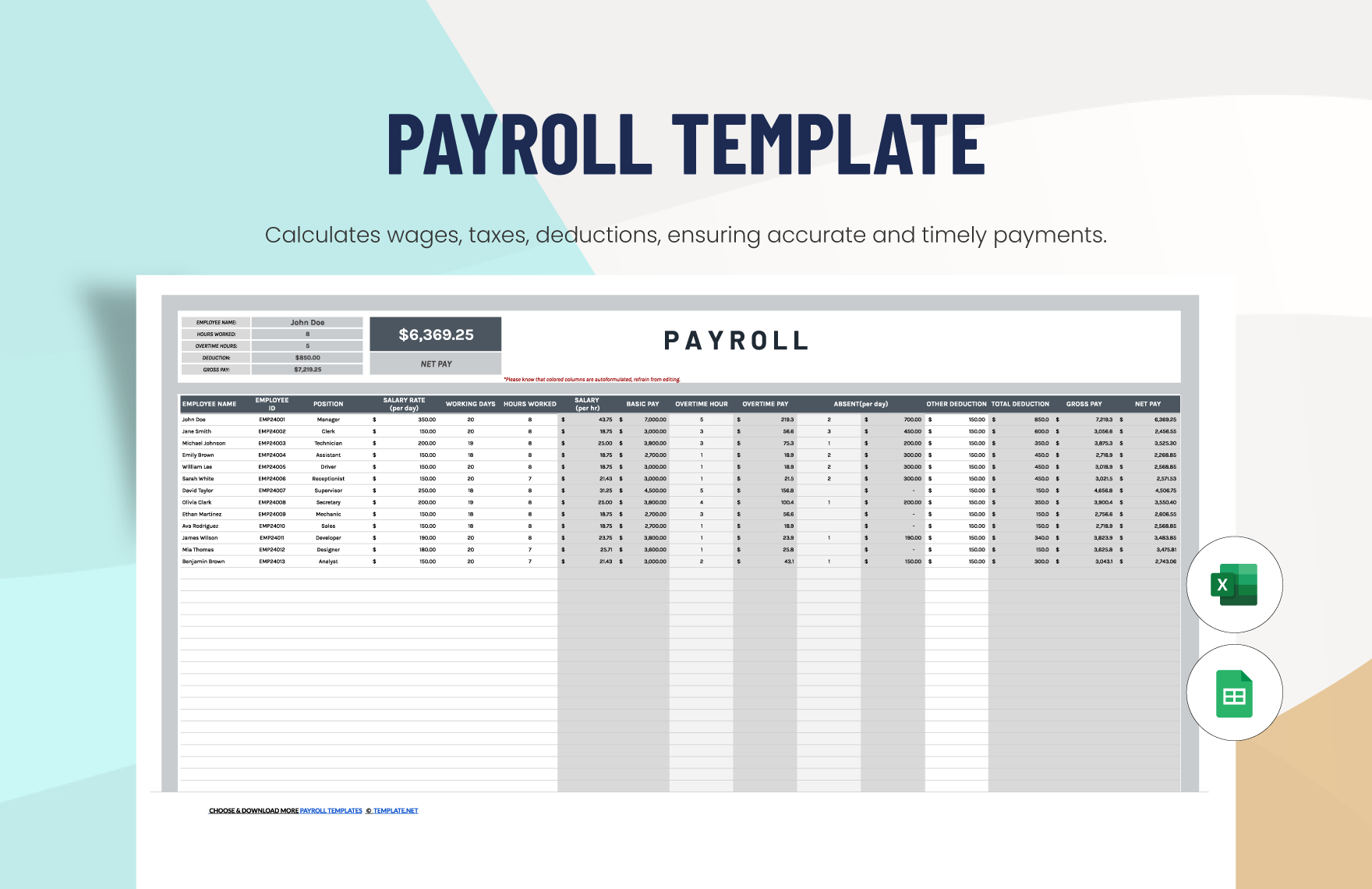
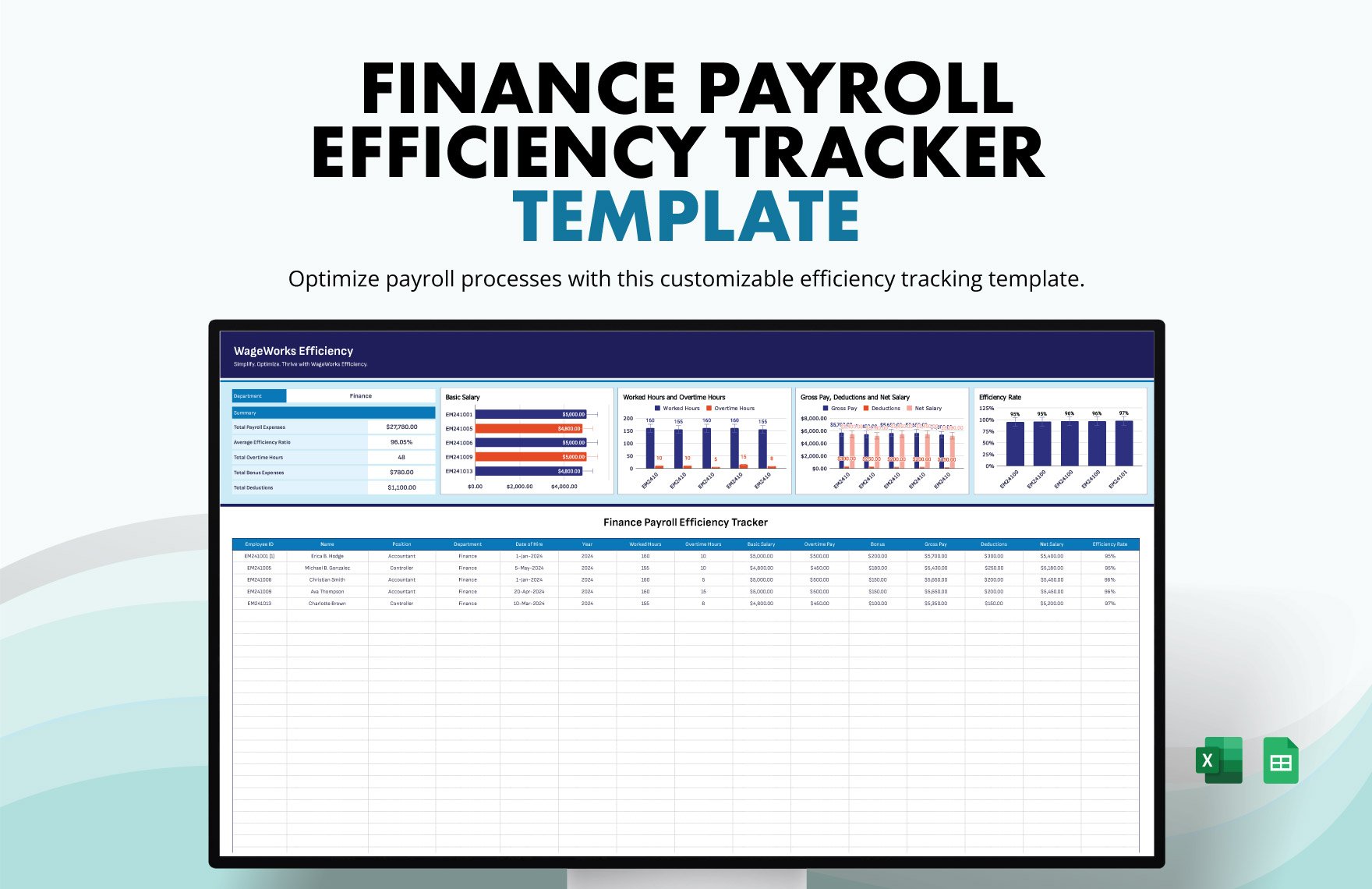
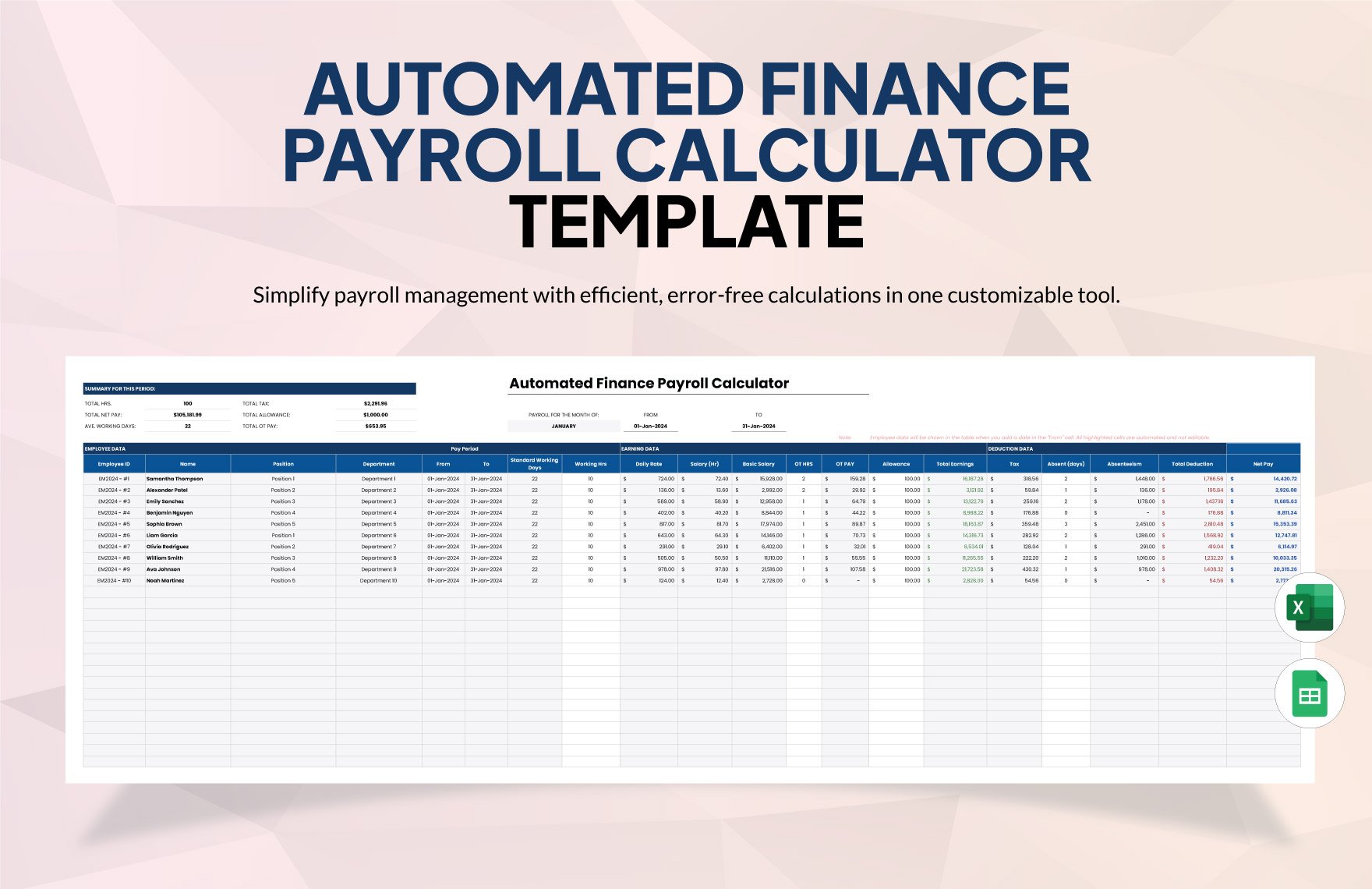
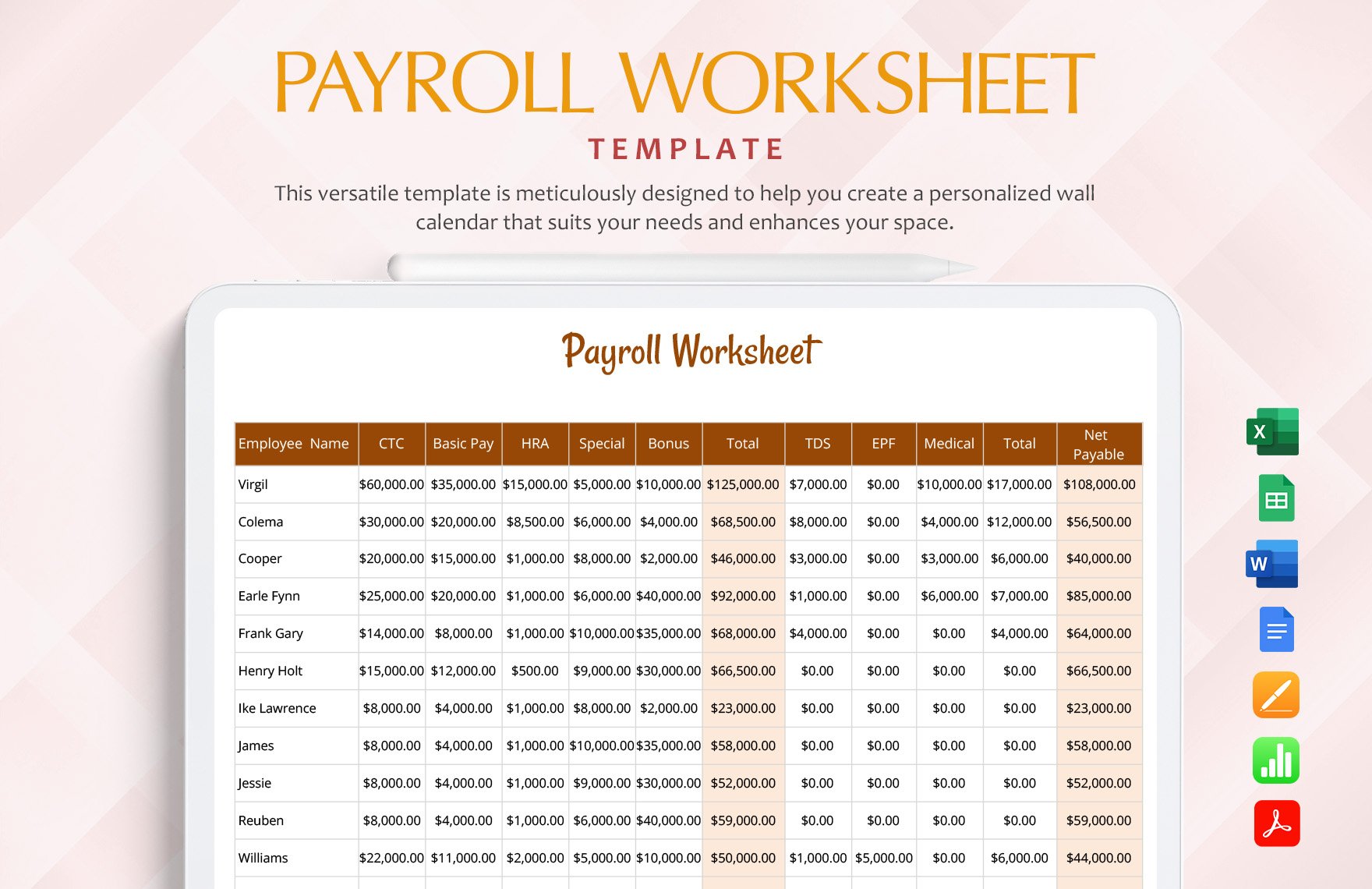
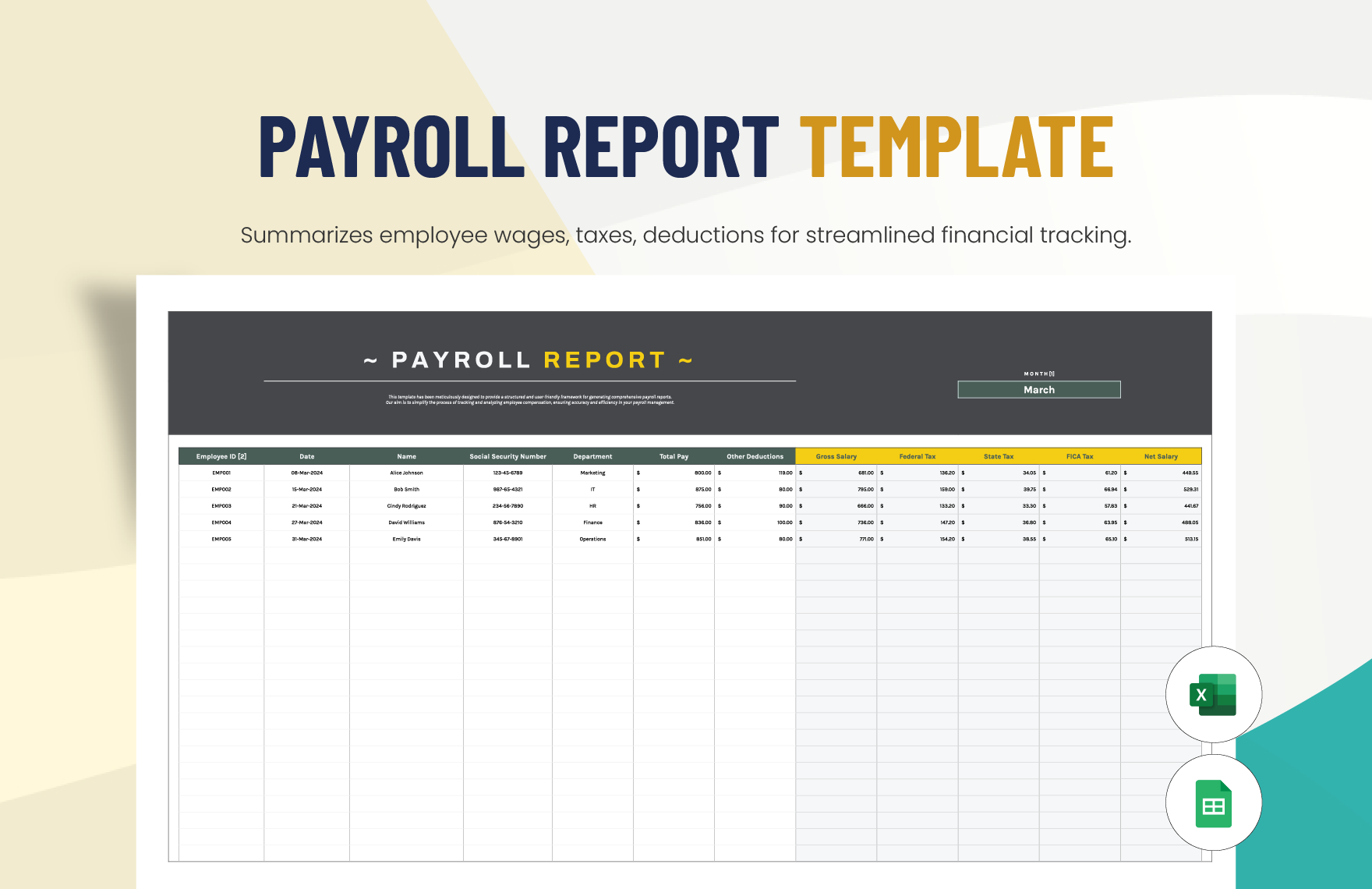
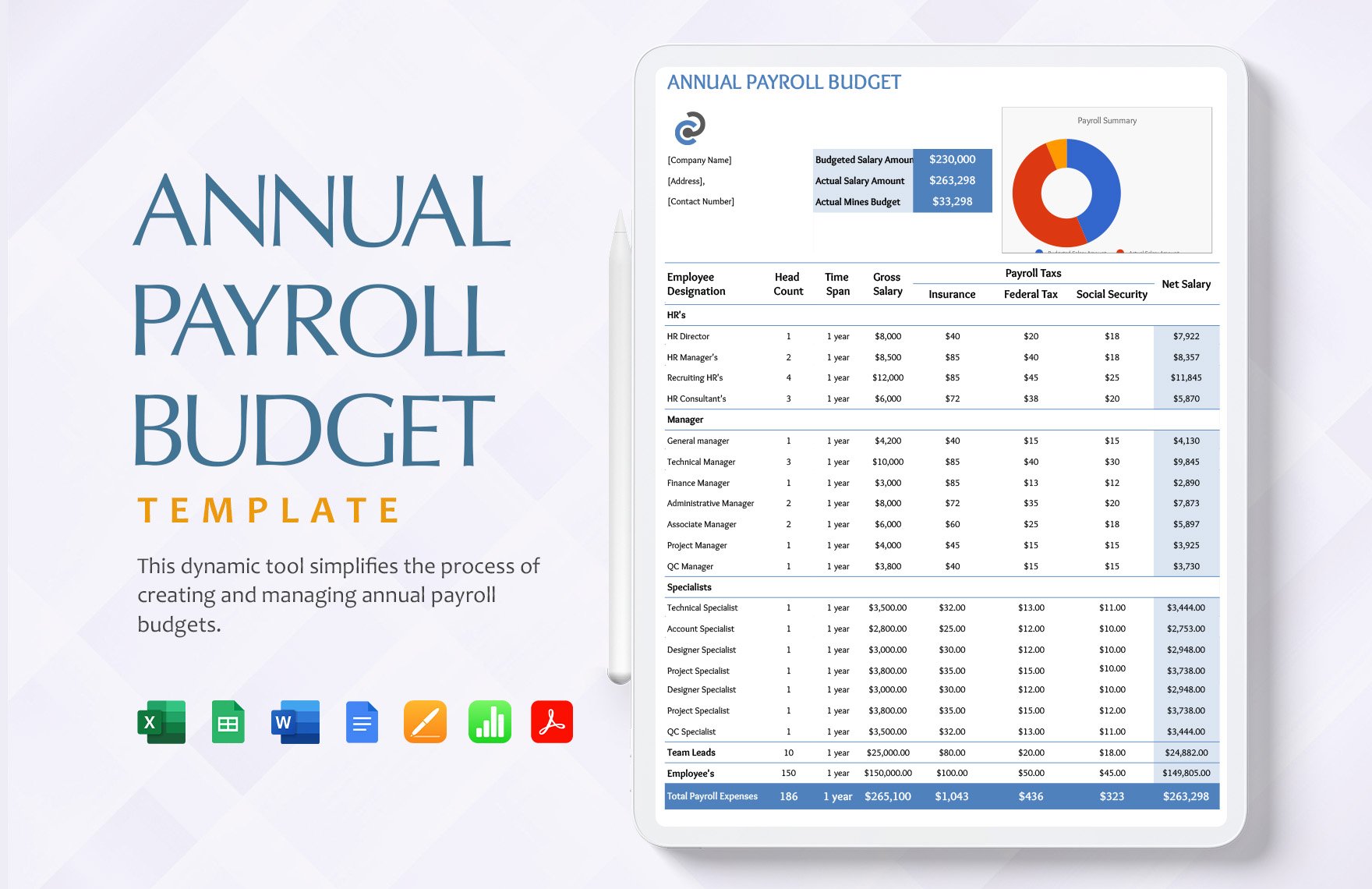
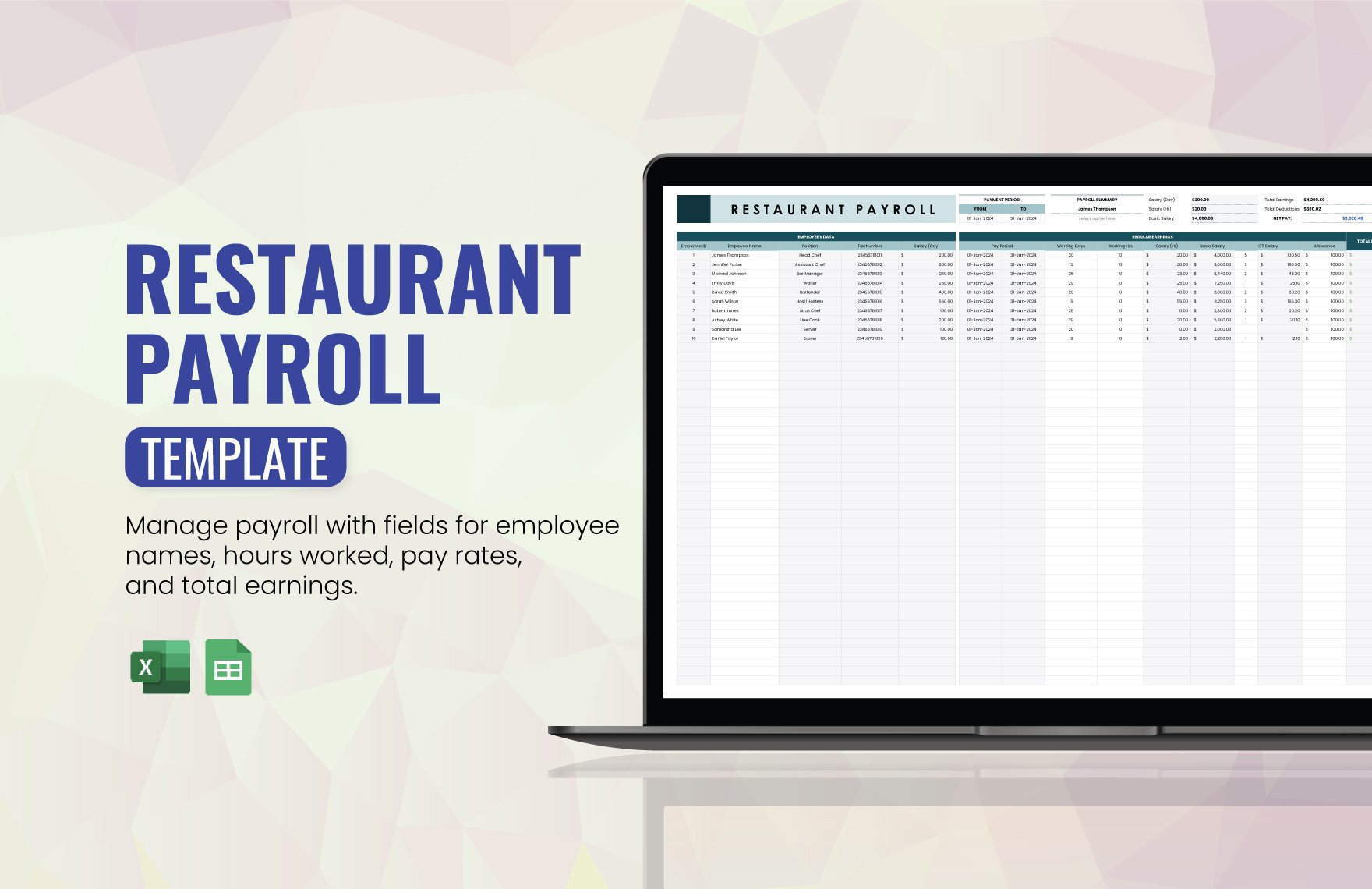
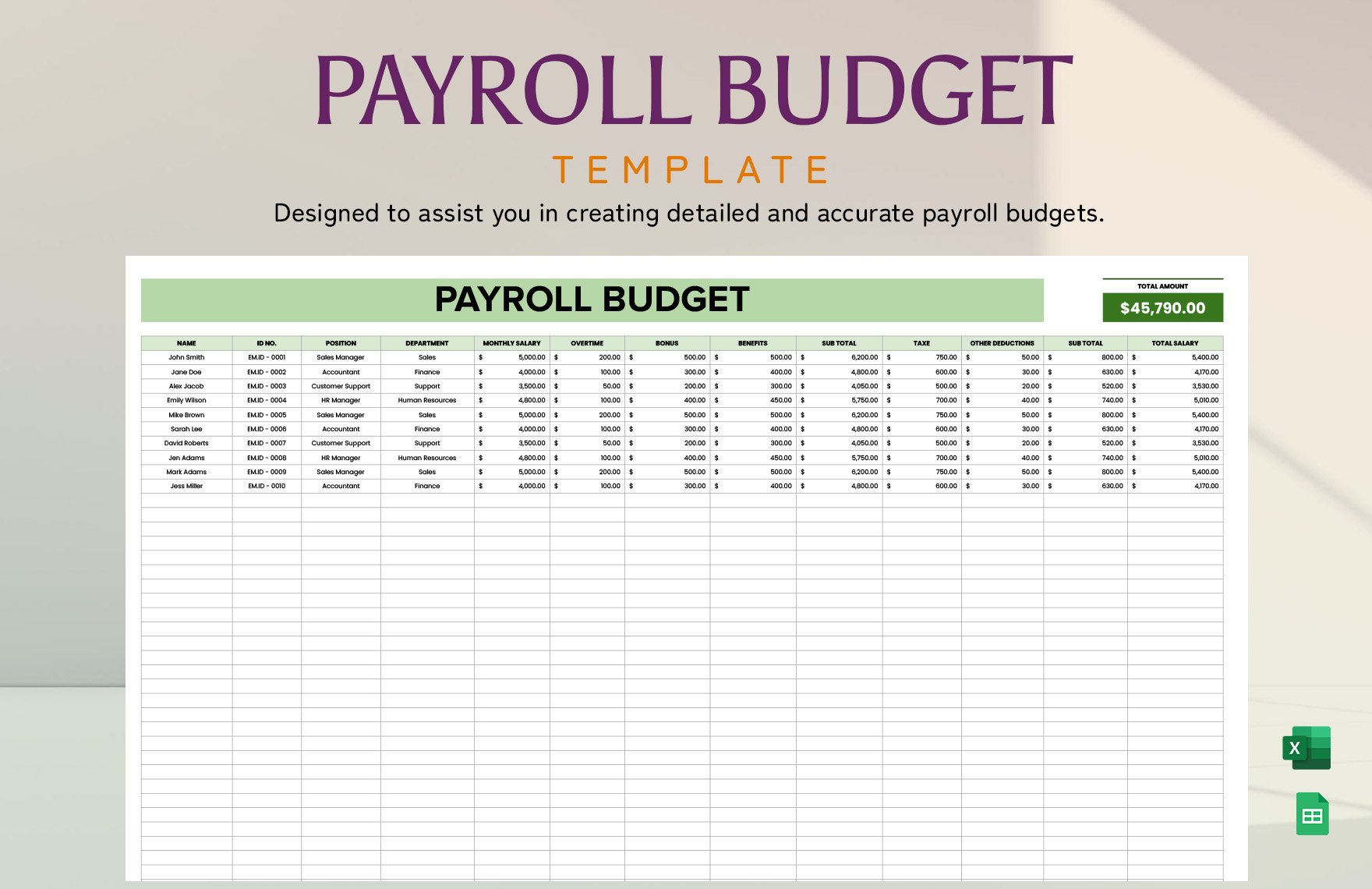
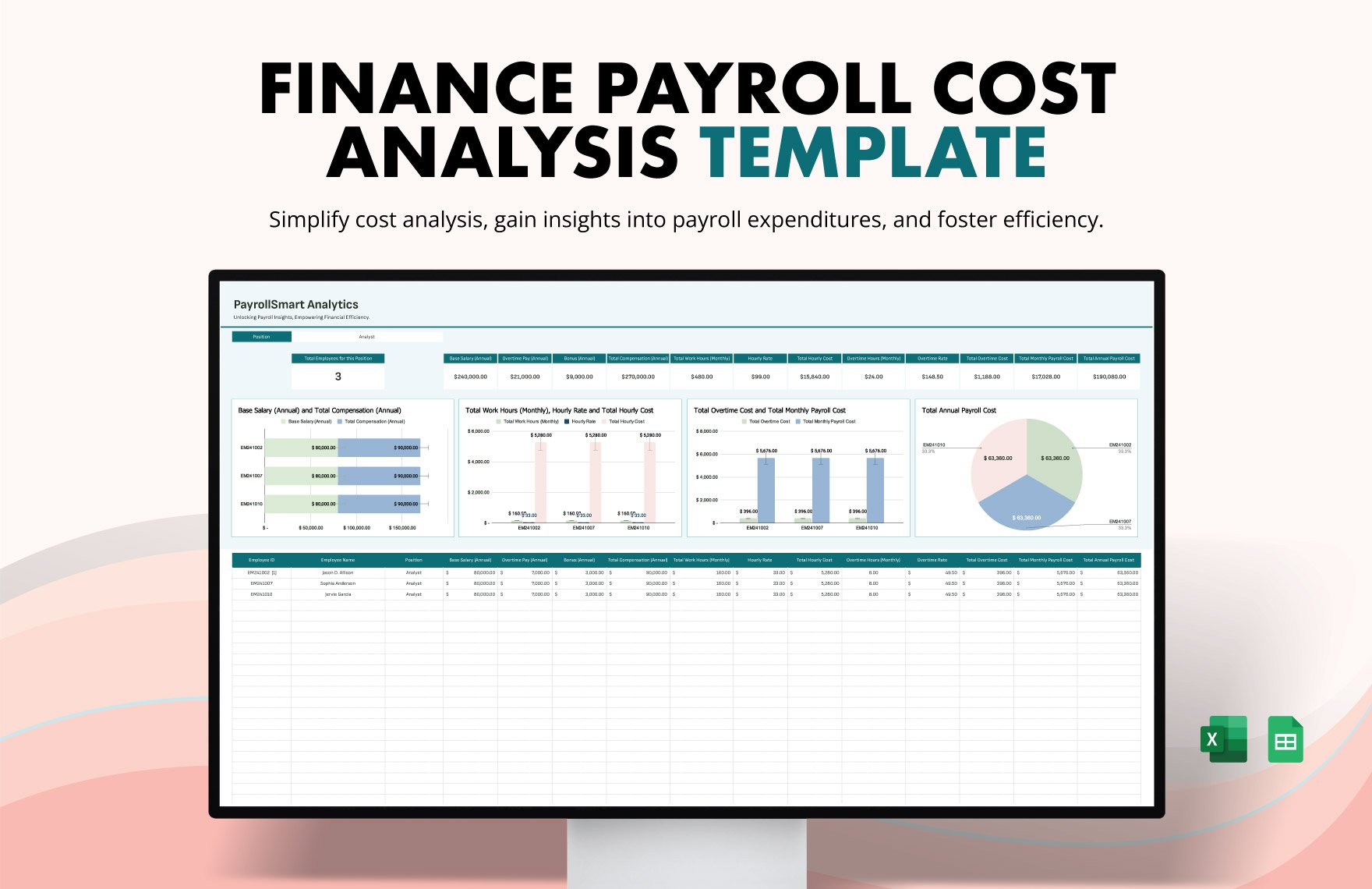
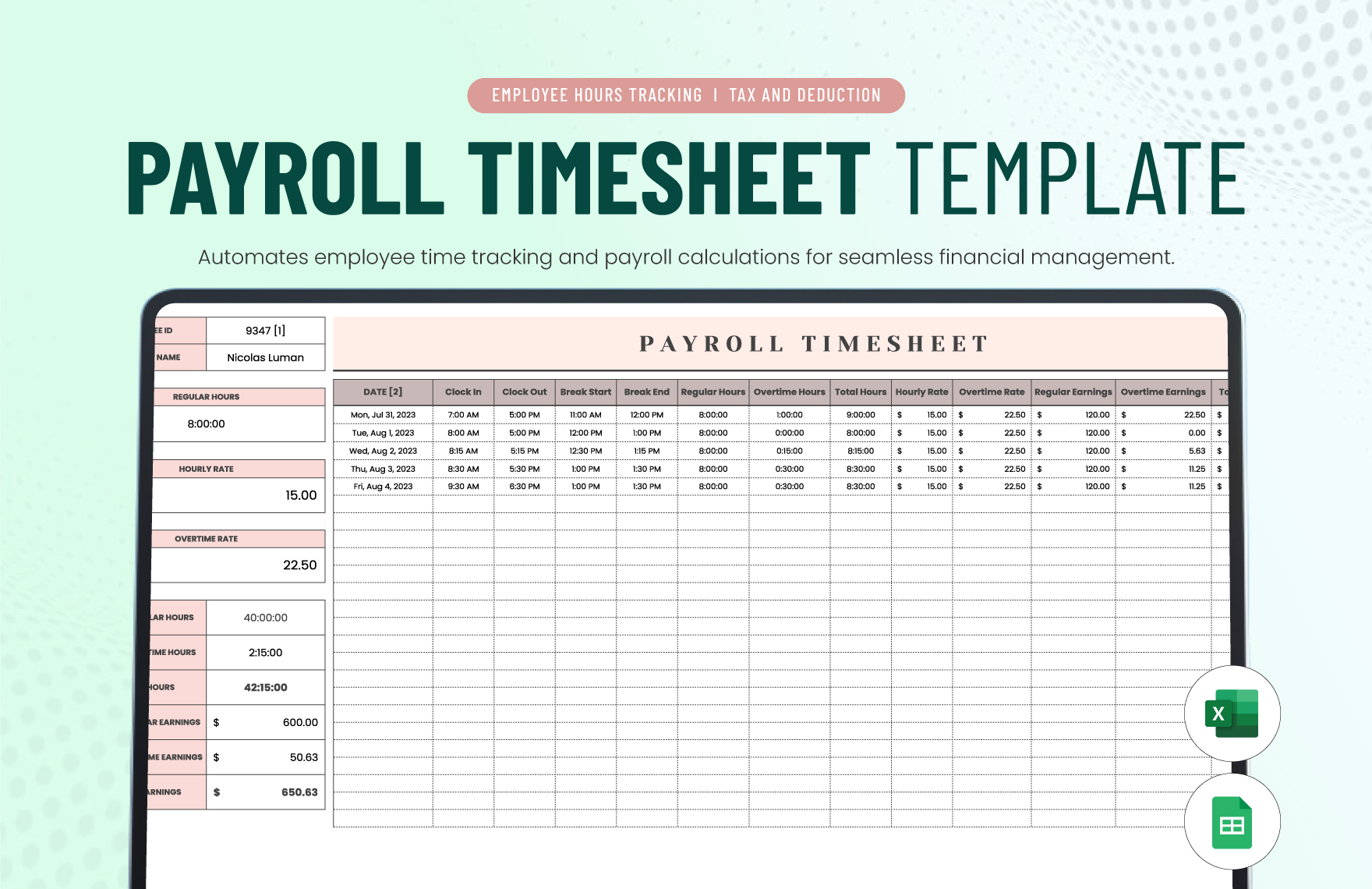
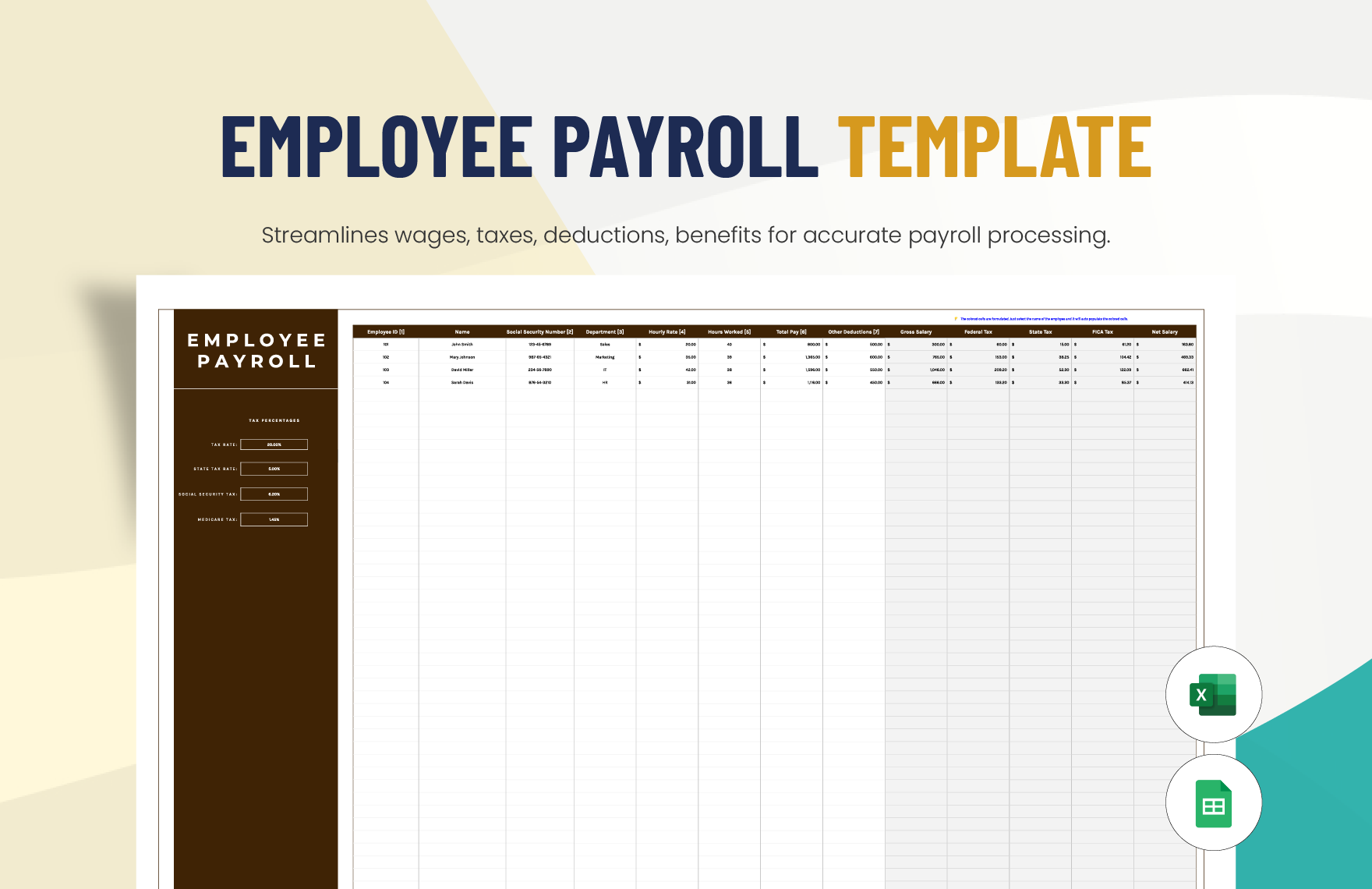
A payroll clerk job template excel search often reflects a different need from a job-description document. Spreadsheet formats are useful for payroll registers, time records, reconciliation checks, calculation worksheets, and structured data reviews. They can help a clerk visualize fields and understand how payroll information moves from hours and rates through earnings, deductions, and net pay.
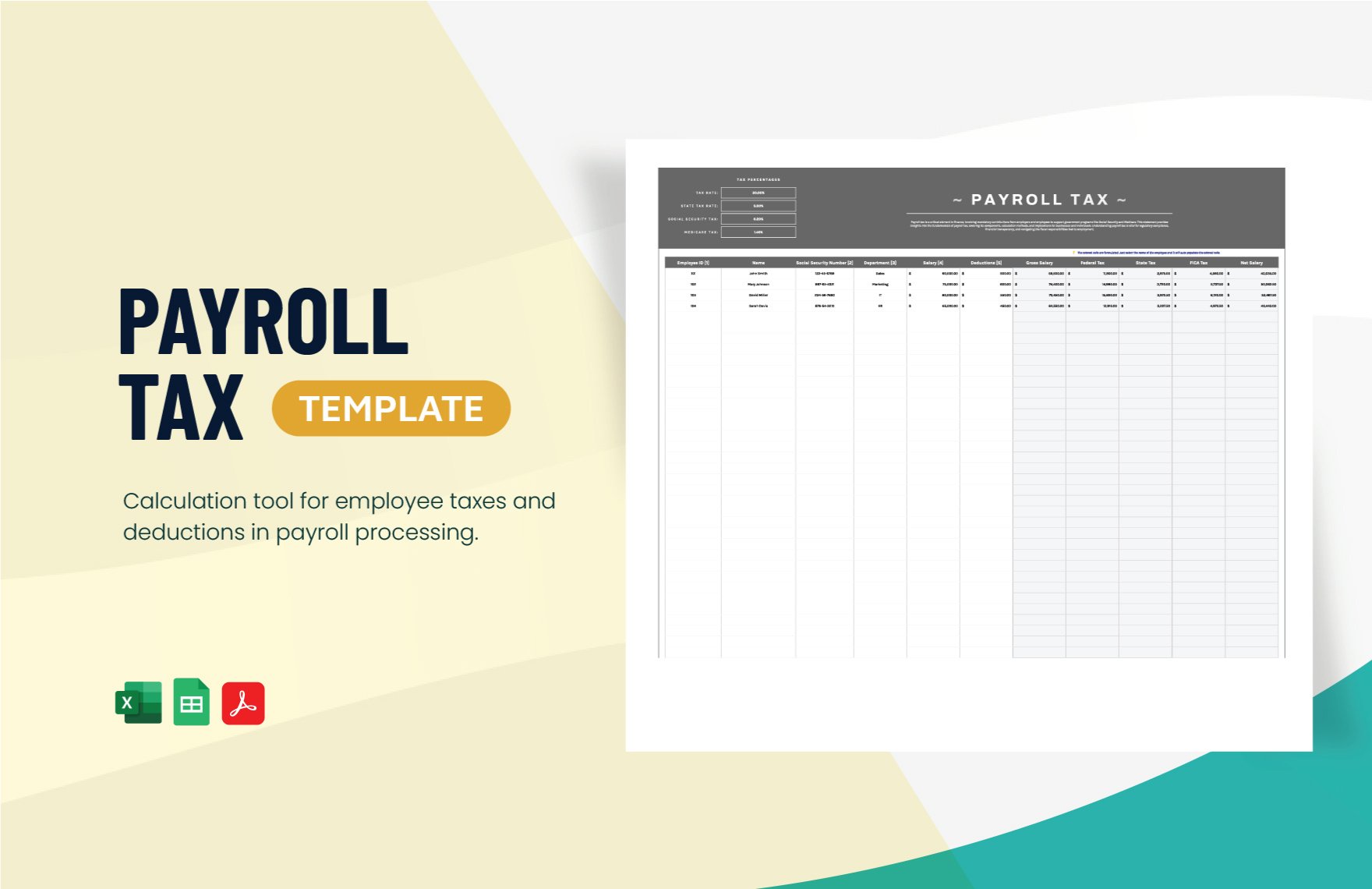
However, a spreadsheet should not automatically be treated as a substitute for the organization’s payroll system. Payroll calculations can involve jurisdiction-specific rules, benefits, overtime, tax withholding, garnishments, leave, and other factors. A spreadsheet can support checking and organization, but employers should determine which calculations are handled by approved payroll systems and which are legitimately performed in a worksheet.
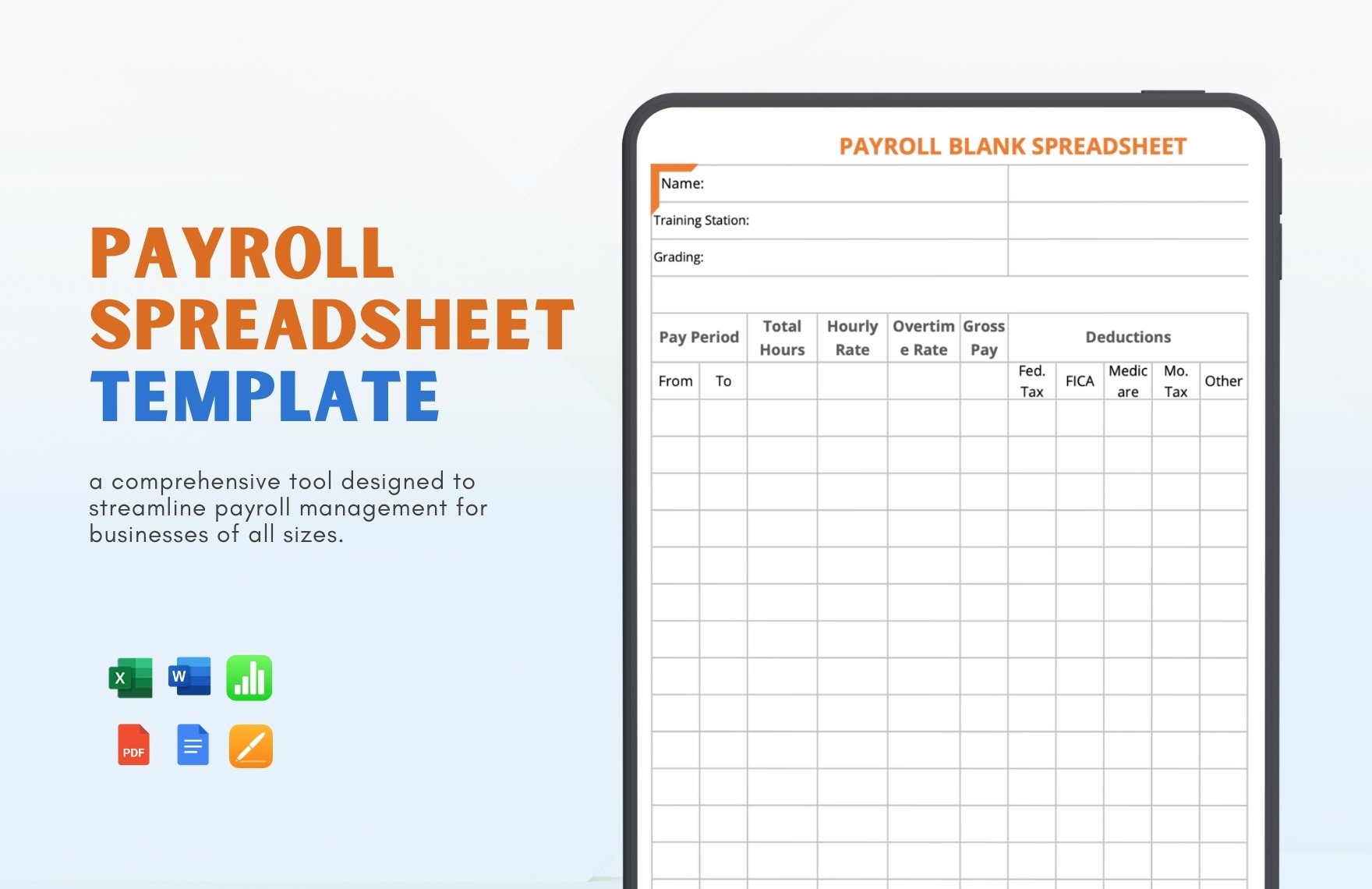
The strongest payroll templates use clear column names and consistent data definitions. Common fields can include employee identifier, pay period, regular hours, overtime hours, pay rate, gross earnings, deductions, taxes, and net pay. A separate notes or exception field can help document unusual items that require follow-up without placing sensitive explanations directly into the primary calculation area.
Designing a strong payroll clerk job description
A job description for a payroll clerk should begin with a concise purpose statement and then move into responsibilities, qualifications, working relationships, and expectations. The writing should use active verbs such as “verify,” “maintain,” “calculate,” “reconcile,” “process,” “prepare,” “review,” and “respond.” Active language makes the position easier for candidates to understand and gives managers clearer criteria for evaluating performance.
Responsibilities should be grouped logically. Timekeeping duties can be placed together, followed by payroll processing, records maintenance, reporting, employee support, and compliance-related activities. This structure prevents the document from becoming a long collection of disconnected bullet points and helps candidates understand the sequence of a typical payroll cycle.
It is also useful to describe relationships with other teams. A clerk may receive approved time records from supervisors, employee changes from HR, accounting instructions from finance, and technical support from a payroll systems team. Explaining those relationships clarifies which information the clerk is expected to verify and which decisions require escalation or approval.
Writing a useful payroll clerk job summary
A concise summary should tell candidates why the role exists. A practical example is: “The Payroll Clerk supports accurate and timely payroll processing by maintaining employee time and payroll records, verifying approved earnings and deductions, preparing payroll information, reconciling records, and assisting employees with routine payroll questions.” This is an example rather than an official standard and should be adapted to the employer.
The summary should avoid promising authority the clerk does not have. If payroll approval belongs to a payroll manager or controller, the summary should describe the clerk as preparing, reviewing, or processing information according to established procedures. If the clerk independently manages an entire payroll cycle, the wording can reflect that greater level of responsibility.
Keep the summary short enough to scan quickly. Candidates generally need the broad picture before reading the detailed duties. A strong summary therefore describes the purpose, major workflow, and expected outcome without repeating every bullet point that appears later in the document.
Building the responsibility section step by step
Start by mapping the payroll cycle. Identify what happens before payroll is processed, during the calculation stage, immediately before approval, and after payment. This process-based approach helps employers identify responsibilities that are sometimes overlooked, such as checking timekeeping exceptions, recording approved adjustments, maintaining audit documentation, and reconciling final payroll totals.
Next, separate routine processing from exception handling. Routine work might include entering approved hours and maintaining records. Exception handling could involve investigating missing time, unusual overtime, retroactive rate changes, duplicate entries, or employee questions. The template should make clear whether the clerk is expected to resolve these issues independently or escalate them to a supervisor.
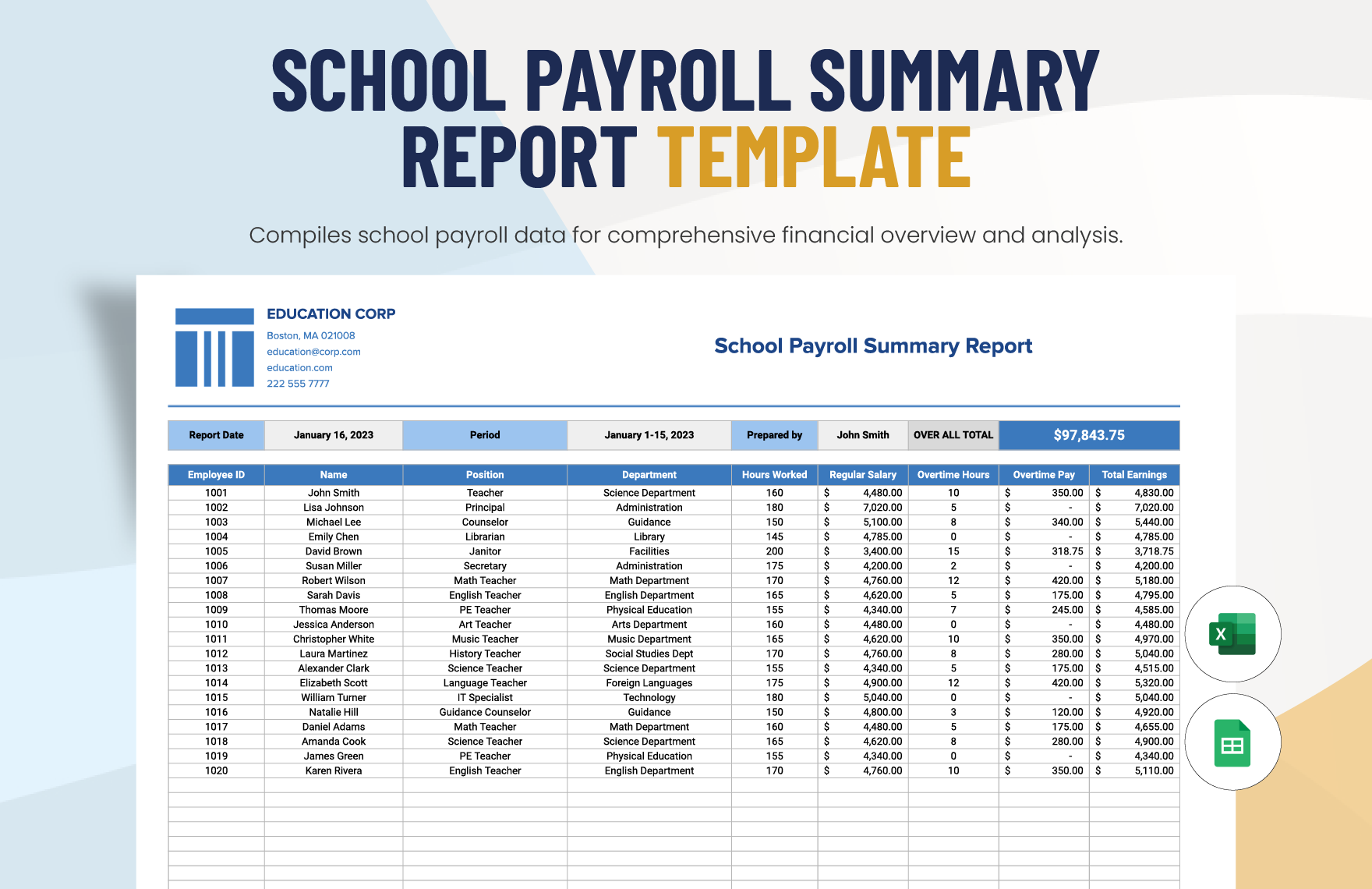
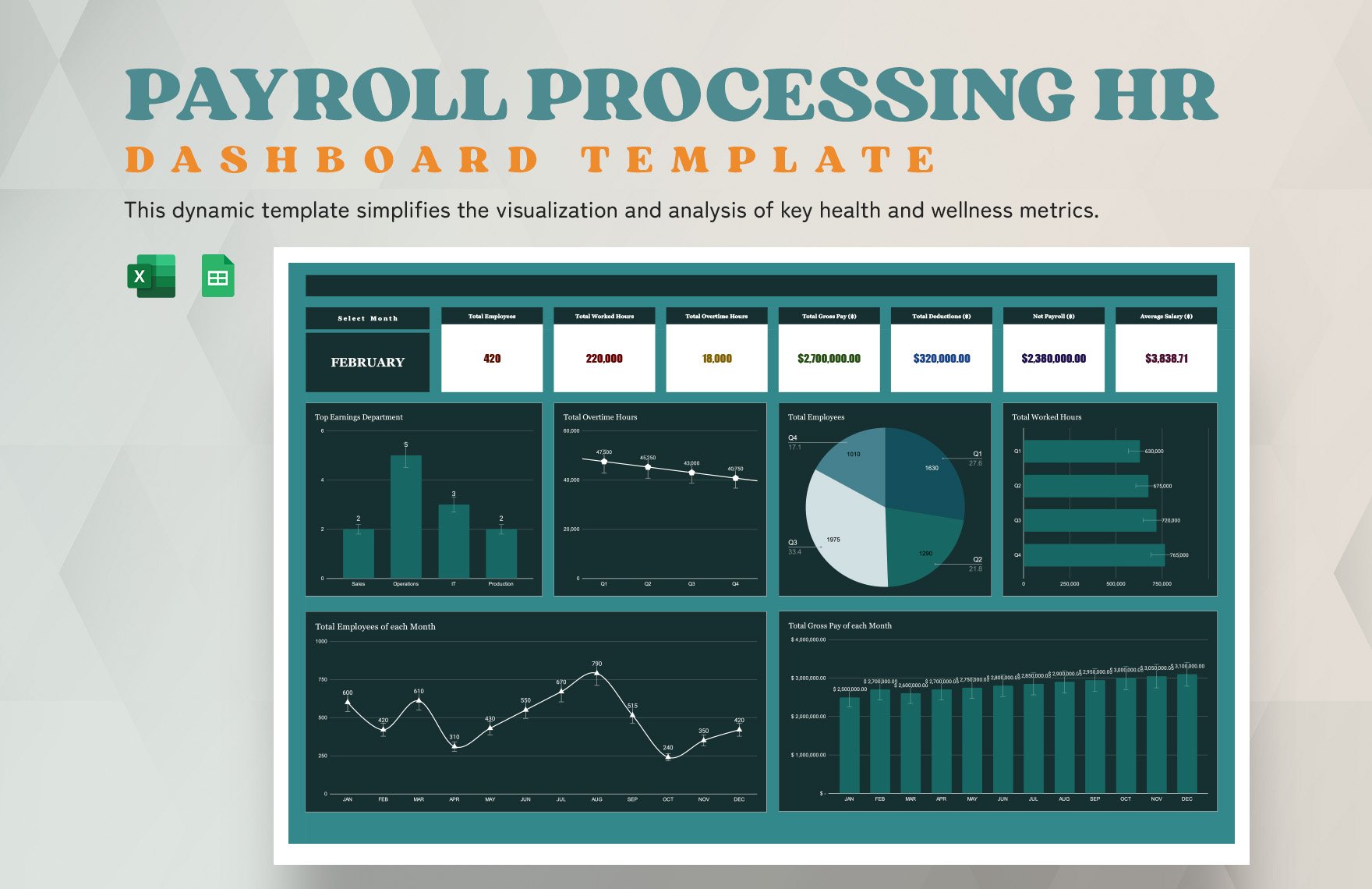
Finally, identify recurring reports and records. Depending on the organization, these may include payroll registers, deduction summaries, timekeeping reports, reconciliation records, payroll journals, or management reports. A job description becomes more useful when it identifies the outputs the clerk is responsible for producing rather than describing only the activities performed behind the scenes.
Connecting the job template to a resume
Candidates can use the role description to determine which accomplishments deserve emphasis. A payroll clerk resume template should normally highlight payroll processing, timekeeping, deductions, reconciliation, data accuracy, reporting, software familiarity, and confidentiality when those skills are genuinely supported by the candidate’s experience.
Strong resume bullets should describe an action and its business or operational result when a result can be verified. For example, “Reviewed weekly timesheets and corrected discrepancies before payroll approval” is more informative than “Responsible for timesheets.” A candidate who has a measurable, truthful achievement can add the result, but invented percentages or error reductions should never be added simply to make a resume appear stronger.
The resume should also mirror the terminology used by the employer without copying the entire job description. If the vacancy emphasizes payroll reconciliation, timekeeping, deductions, and employee inquiries, those concepts can appear naturally in the candidate’s relevant experience and skills sections. The goal is alignment, not repetition.
Common mistakes when creating a payroll clerk template
One common mistake is using an overly broad administrative template. Payroll work has specialized accuracy and confidentiality requirements, so a generic clerk description may fail to mention timekeeping, deductions, reconciliation, payroll records, or employee pay inquiries. The resulting vacancy can attract candidates who do not understand the role’s actual responsibilities.
Another mistake is copying responsibilities from a more senior payroll position. A payroll specialist or payroll manager may oversee compliance, systems, audits, policy, or complex multi-location payroll. A clerk may instead perform defined processing tasks under established procedures. Mixing the two levels can create unrealistic expectations and make the position harder to classify and evaluate.
A third mistake is failing to update the template. Payroll systems, organizational structures, pay frequencies, reporting relationships, and internal procedures can change. Review the job description whenever the role changes materially, and verify that software names, reporting lines, required skills, and responsibility boundaries still match the current position.
Accuracy, confidentiality, and compliance considerations
Payroll clerks work with information that should be handled carefully. A role description should therefore state that payroll records and employee compensation information are confidential and must be accessed, stored, and shared according to company procedures and applicable privacy requirements. The statement should describe expected behavior without pretending to replace an organization’s formal privacy policy.
Accuracy should also be expressed as a process rather than a vague personal quality. A template can specify that the clerk verifies source records, reviews calculations, checks unusual changes, documents approved adjustments, and escalates unresolved discrepancies. These statements create a more useful picture of how accuracy is achieved in daily work.
Legal requirements vary by country, state, province, industry, and employee classification. For that reason, a generic payroll clerk template should avoid claiming that one specific tax, overtime, retention, or classification rule applies everywhere. Employers should adapt compliance language to the jurisdictions in which they operate and obtain appropriate professional advice when the role raises a legal or classification question.
Practical example of a well-structured role
Consider a hypothetical mid-sized company that processes payroll every two weeks. The payroll clerk receives approved timesheets from department supervisors, verifies hours against the timekeeping system, enters approved changes, reviews overtime, checks deductions, prepares payroll reports, and escalates exceptions to the payroll manager. The clerk also maintains employee payroll records and responds to routine questions about pay statements.
For that hypothetical position, the job template should make the workflow explicit. It might state that the clerk is responsible for collecting and validating payroll inputs, processing approved information within established deadlines, identifying discrepancies before payroll approval, maintaining accurate records, and preparing recurring reports. It could list spreadsheet proficiency and payroll-system experience as preferred qualifications rather than mandatory requirements if training is available.
The same example also shows why templates should reflect the real operating environment. If the clerk never calculates tax liabilities independently, the job description should not claim that the person is responsible for tax compliance strategy. If the clerk does perform reconciliations, the template should say so. Precision makes the document more credible to both candidates and hiring managers.
Practical Solution
The most practical way to create a payroll clerk role document is to begin with the actual payroll workflow rather than starting with a generic list of duties. Write down every recurring task performed by the person in the position, identify which tasks require approval, and separate routine processing from exception handling. Then organize those tasks into five groups: payroll inputs, payroll processing, records and reconciliation, employee support, and confidentiality or compliance responsibilities.
After mapping the work, build the document in this order: position details, role purpose, key responsibilities, required qualifications, preferred qualifications, systems or tools, reporting relationship, working conditions, and performance expectations. Review each statement by asking whether the clerk really performs the task, whether the task is measurable or observable, and whether another department actually owns the decision. Remove vague wording and replace it with specific actions.
Finally, create separate versions for different uses only when the underlying content changes. An editable document can serve as the master, a fixed-layout version can be used for approved records, and a spreadsheet can support payroll calculations or tracking when appropriate. Before publishing a vacancy, compare the final role description with the current payroll process, confirm the reporting relationship, and ensure that required qualifications are realistic for the level of the position.
How to keep the template useful over time
A payroll clerk template should be reviewed whenever there is a significant change to payroll software, timekeeping procedures, pay frequency, organizational structure, or responsibility allocation. An annual review can also help identify outdated terminology and unnecessary qualifications. The goal is not to rewrite the document constantly, but to prevent a historical description from becoming disconnected from the real position.
Managers can also use the template as a foundation for onboarding. Each responsibility can be linked to a training topic, system procedure, approval path, or quality-control checkpoint. This turns the job description from a static hiring document into a practical reference for learning the payroll cycle while still keeping the official role definition concise.
For candidates, the same document can be used as a checklist when preparing for interviews. Review each responsibility and identify a truthful example from previous work, coursework, bookkeeping, administrative experience, or other relevant experience. This approach helps candidates discuss accuracy, confidentiality, organization, problem solving, and payroll-related skills with specific examples rather than relying on generic claims.
Additional workflow tools that complement the job template
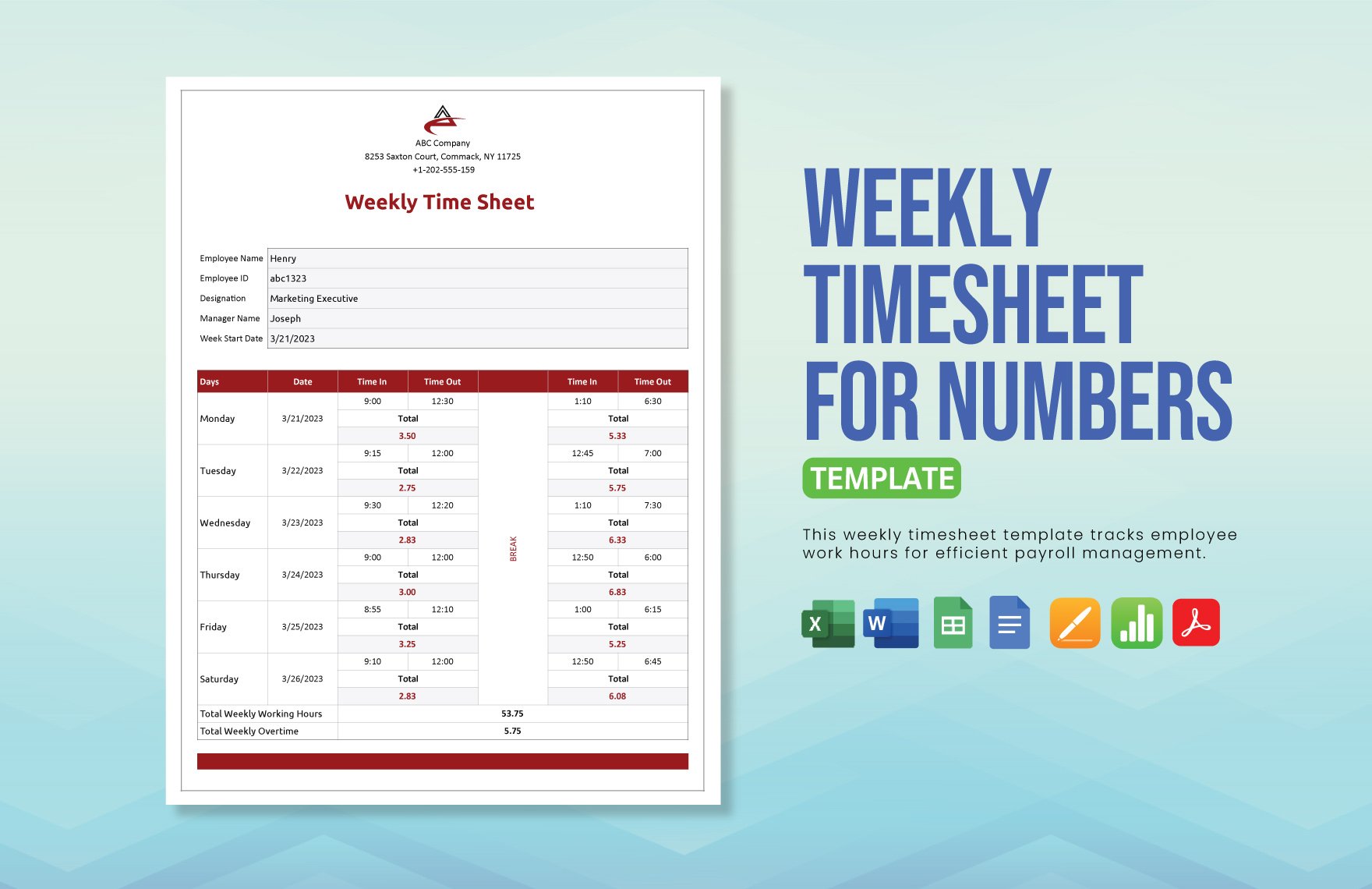
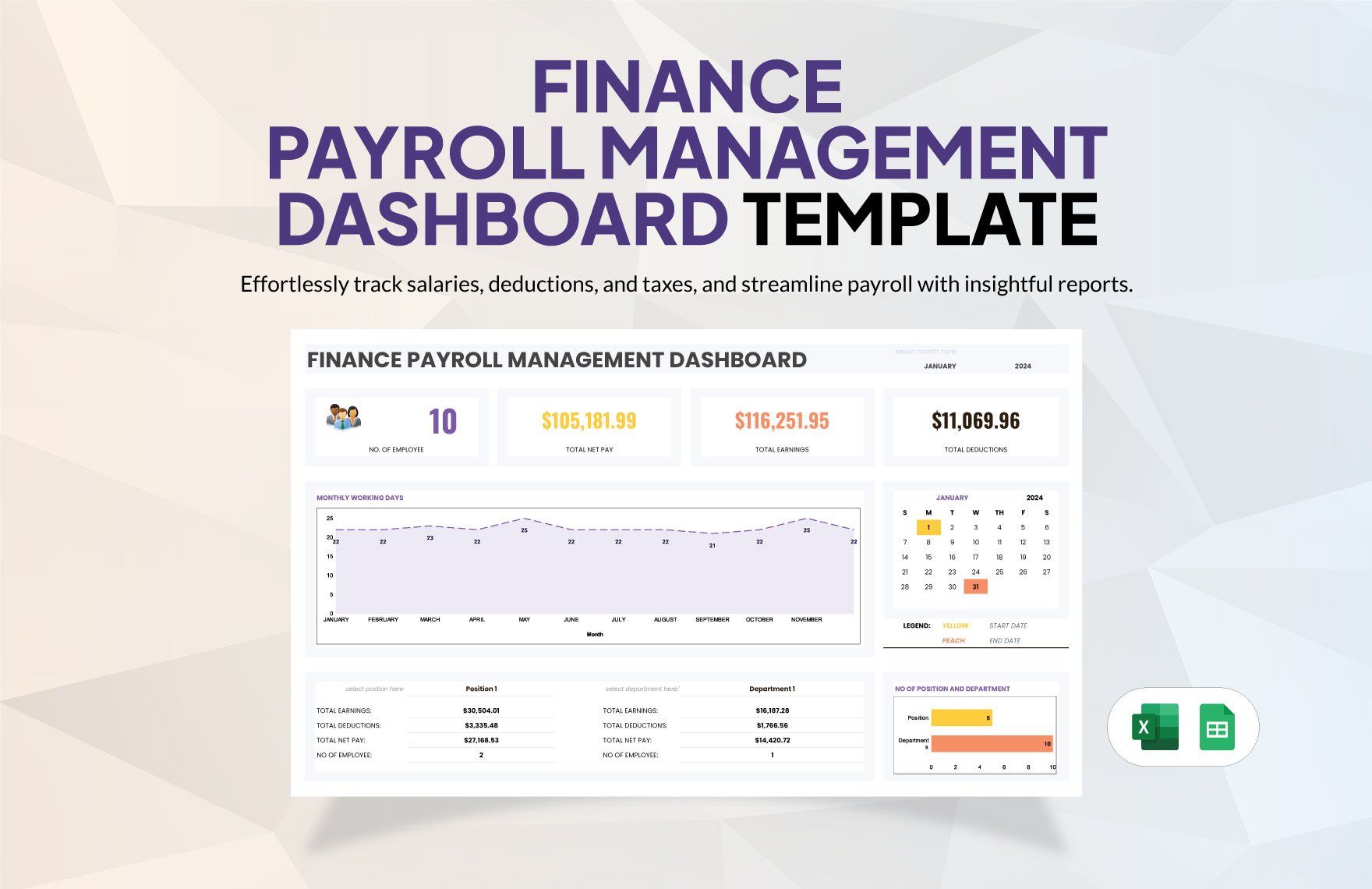
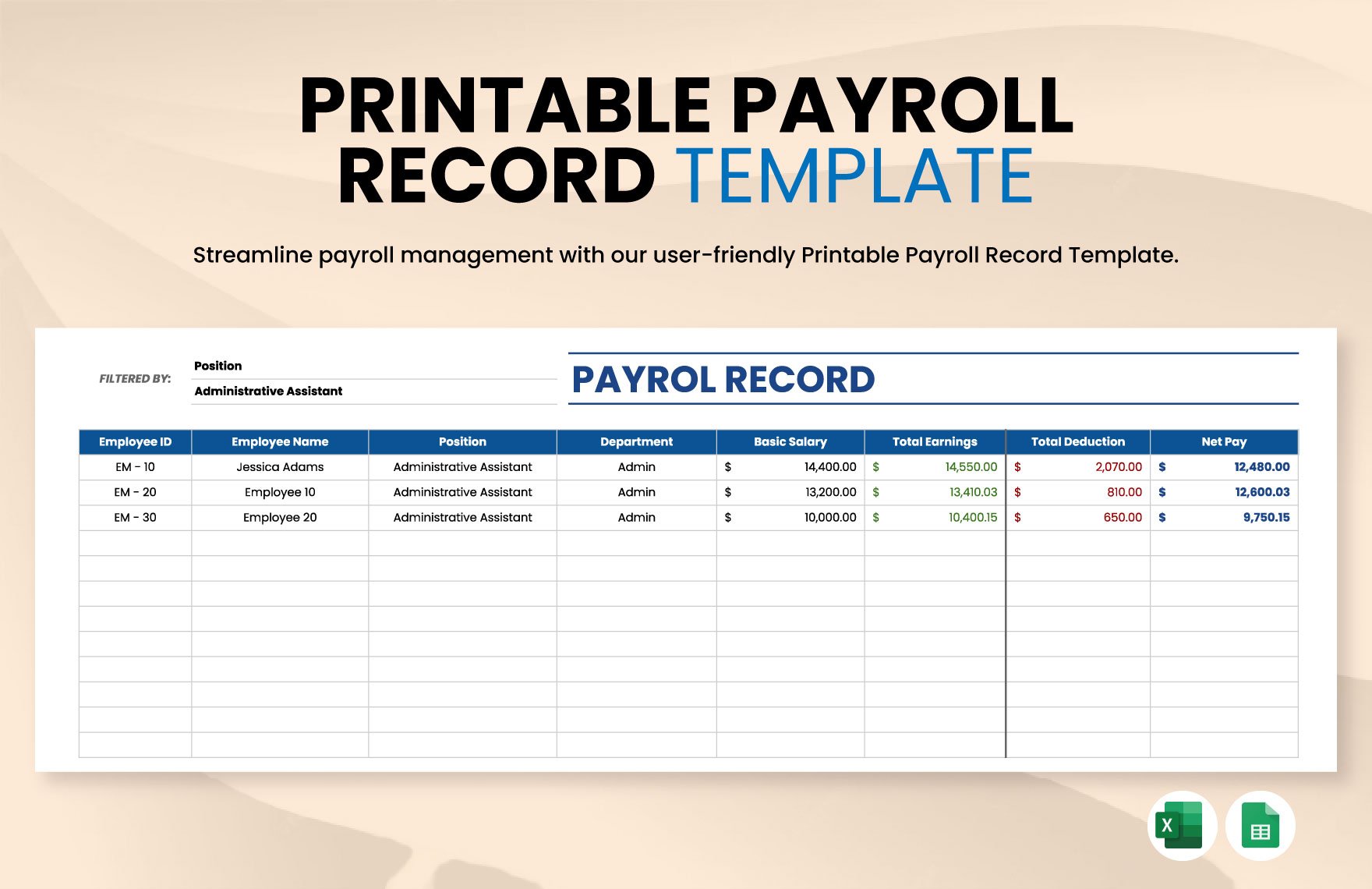
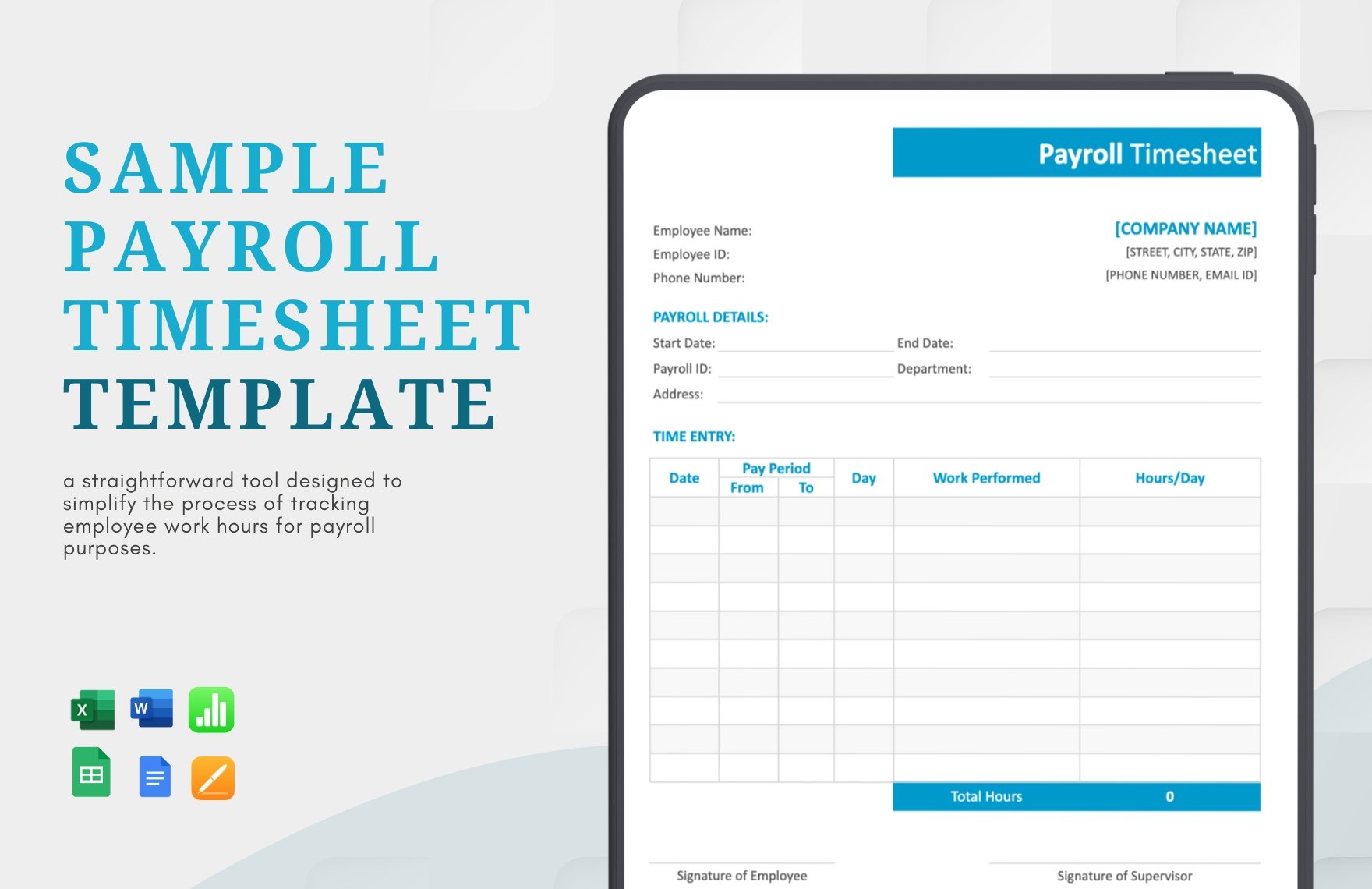
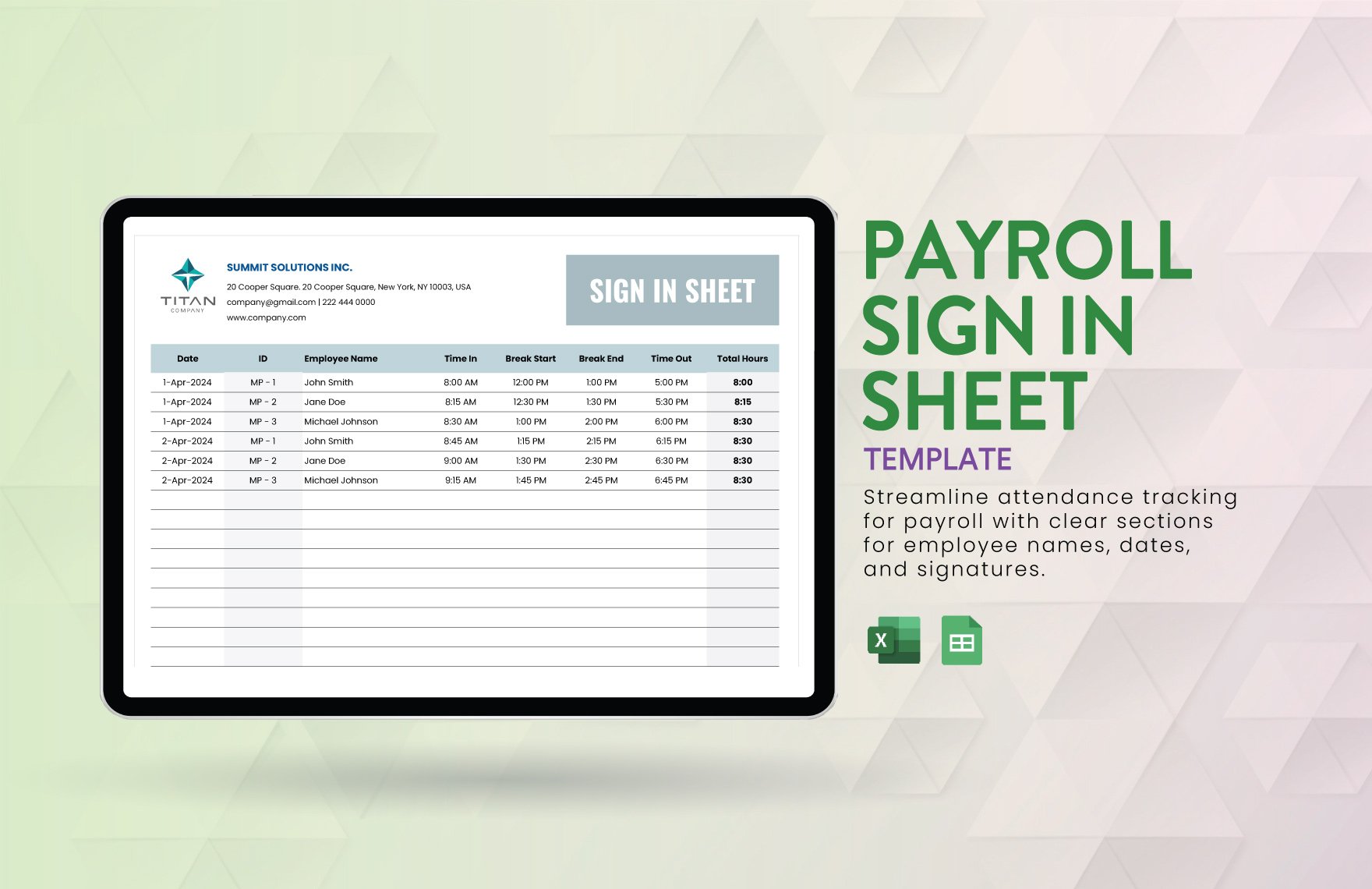
A role description works best when it reflects the records the clerk actually uses. A payroll register can provide a structured view of employee pay information across a pay cycle, while a timesheet provides source information about worked hours. A deduction form can document an authorized change, and a reconciliation worksheet can help compare payroll results with accounting records.
These supporting documents should have clear ownership and consistent terminology. If the job template says that the clerk reconciles payroll, the related reconciliation record should contain the fields necessary to perform that check. If the template says the clerk verifies timekeeping, the time record should provide enough information to compare scheduled or recorded hours with payroll inputs.
The visual examples in this article demonstrate why document structure matters. Some payroll records emphasize hours, some emphasize deductions, and others summarize financial results. A payroll clerk job template should not reproduce every field shown in these records. Instead, it should explain which records the clerk handles and what the clerk is expected to do with the information.
Using the template for different organization sizes
In a small business, one payroll clerk may work closely with an owner, bookkeeper, HR coordinator, or external payroll provider. The template may therefore include broader administrative responsibilities. Even in a small operation, however, responsibilities should be clearly separated from approval authority. The person entering payroll information should not automatically be described as the person who authorizes every payroll change.
In a larger organization, the role may be narrower. One clerk might focus on timekeeping, another on employee master-file maintenance, and another on payroll reconciliation or reporting. In that environment, the template should identify the boundaries between positions so candidates understand the actual scope of the vacancy.
Industry can also affect the content. Hospitality, healthcare, construction, retail, professional services, and manufacturing may have different patterns of hours, overtime, shifts, allowances, or employee records. The basic template structure can remain consistent while the responsibility wording is adapted to the employer’s actual payroll environment.
Final checks before publishing the job template
Before publishing, read the document as both a hiring manager and a candidate. The hiring manager should be able to identify the role’s essential outputs, responsibilities, and qualifications. The candidate should be able to understand what a normal payroll cycle looks like, what skills matter most, whom the role reports to, and which responsibilities are routine versus escalated.
Check every requirement for relevance. If a qualification is listed, ask whether it is truly needed to perform the work. If a software platform is named, confirm that the organization actually uses it. If a responsibility refers to tax, overtime, benefits, or record retention, confirm that the wording matches the organization’s jurisdiction and established procedures rather than assuming a universal rule.
Finally, compare the role description with the interview process and onboarding plan. The questions asked during interviews should test important skills described in the template, while onboarding should teach the systems and procedures required to perform those duties. When these documents agree, the payroll clerk role becomes clearer, more realistic, and easier to manage.
Reference Examples
Reference examples are especially useful when evaluating a payroll clerk job Template because the quality of the written role description is closely connected to the records and workflows surrounding payroll. A strong template should make the position understandable without requiring the reader to infer responsibilities from a payroll register or timesheet. At the same time, visual examples can reveal the kinds of information a clerk may encounter, including hours worked, pay rates, deductions, earnings, payroll periods, employee records, reconciliation fields, and reporting summaries. Reviewing these formats helps employers distinguish between a job description, a payroll record, and a calculation worksheet.
The following references provide different perspectives on the payroll clerk job Template. The job-description example shows how responsibilities and qualifications can be presented in a formal role document, while the other examples demonstrate related payroll records and supporting worksheets. A resume example illustrates how candidates may present payroll-related experience, and spreadsheet examples show how hours, deductions, earnings, and payroll totals can be organized. These references are best treated as visual models rather than universal standards; employers should adapt their own documents to their actual processes, jurisdiction, and organizational structure.
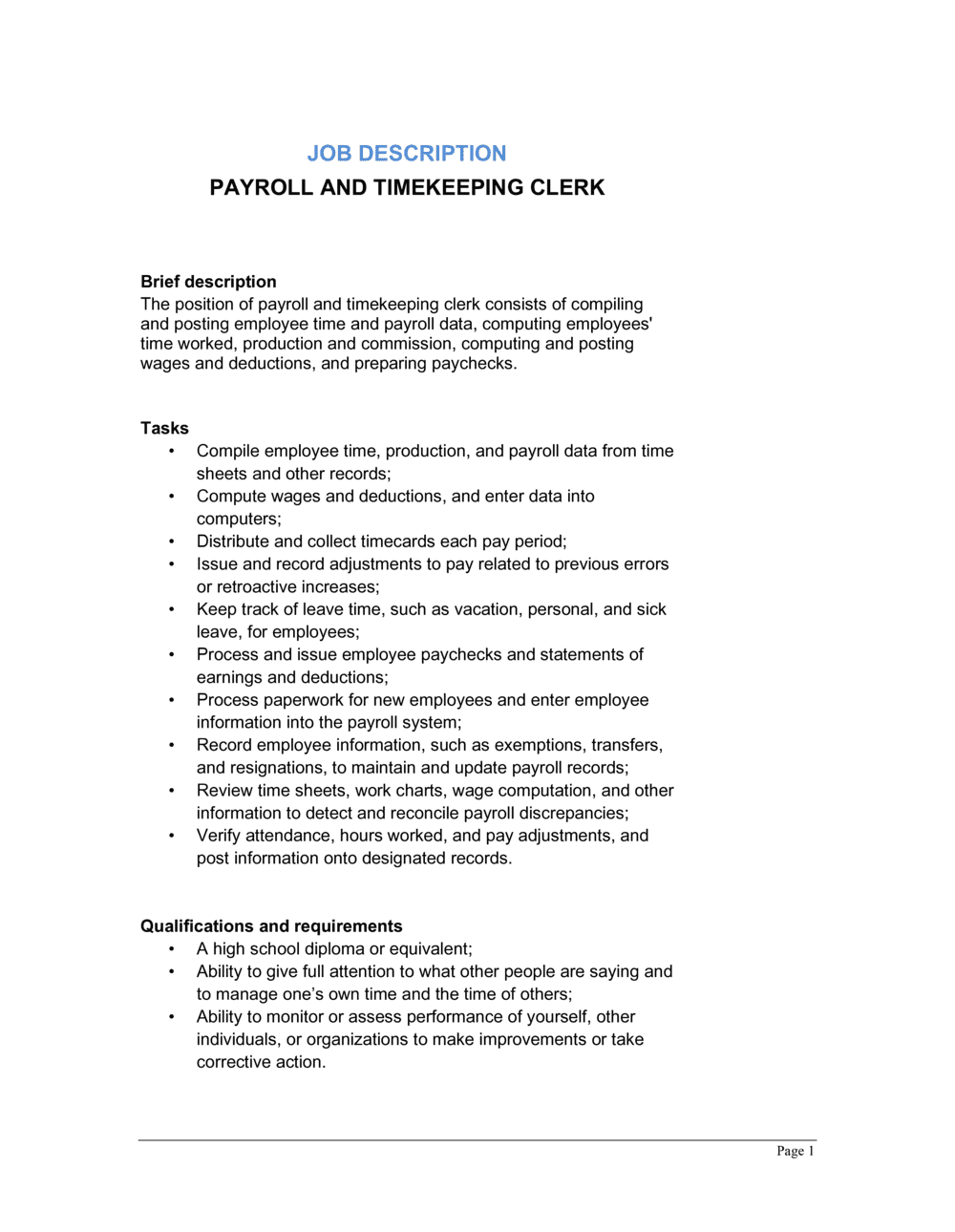
Payroll and Timekeeping Clerk Job Description Template
Source: Business-in-a-Box

Time sheet
Source: Wikimedia Commons

Example Resume
Source: Wikimedia Commons

Payroll Calculation Worksheet
Source: Calypso Tree

Little Hills Medical Group Payroll Summary
Source: Saylor Academy

Payroll Register Template
Source: Smartsheet

Payroll Check Stub Template Example
Source: Smartsheet

Payroll Journal Template Example
Source: Smartsheet

Payroll Deduction Form Template
Source: Smartsheet
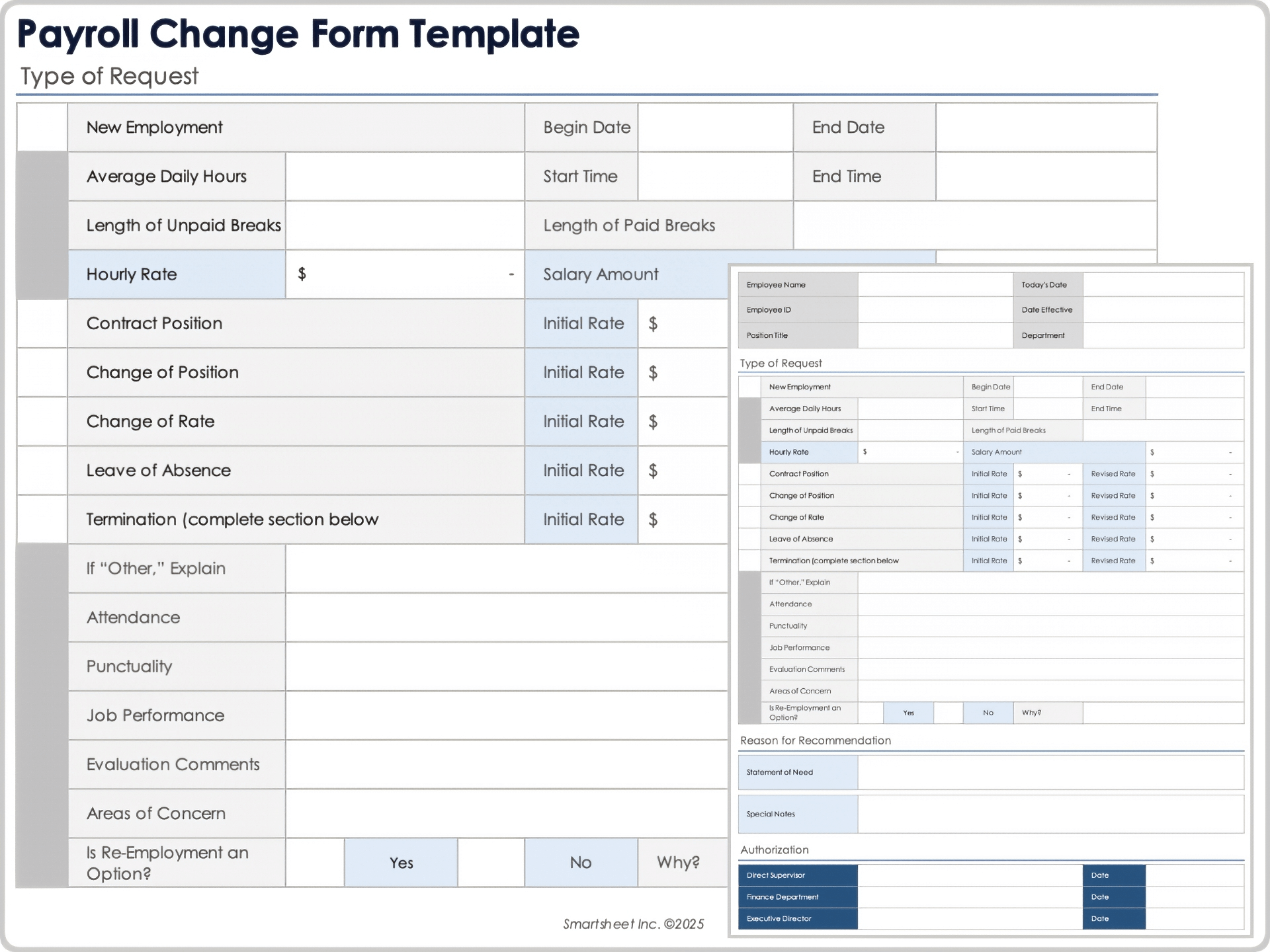
Payroll Change Form Template
Source: Smartsheet
