The value of a template is not that it automatically makes an agreement legally sufficient. Its value is that it provides a structured starting point so important commercial and operational issues are less likely to be forgotten. A useful document should then be customized for the actual project, parties, payment model, location, regulatory environment, and risk allocation.
This guide explains the major components of contractor terms and conditions, how to create a practical document, which clauses deserve particular attention, how to use PDF and Word versions responsibly, and how to build a repeatable contract workflow. It also includes realistic examples, document-management recommendations, and a reference section with visual examples of relevant templates and forms.
What Is a Contractor Terms and Conditions Template?
A contractor terms and conditions Template is a reusable document framework containing the clauses, fields, schedules, and administrative provisions commonly needed when a contractor provides services to a client. It may be used as a standalone agreement or as the terms section of a broader construction contract, proposal, work order, service agreement, or subcontract.
The document normally identifies the contracting parties, describes the work, establishes the commercial arrangement, and explains the rules that govern performance. Depending on the project, it may also address materials, equipment, permits, insurance, subcontractors, safety, warranties, intellectual property, confidentiality, site access, delays, variations, termination, dispute resolution, and closeout.
A template should be treated as a drafting framework rather than a universal legal form. Construction law differs substantially between jurisdictions, and mandatory consumer protections, licensing rules, payment requirements, lien or security rights, insurance obligations, tax treatment, and dispute procedures can vary by location and project type.
For that reason, the strongest workflow is to begin with a reliable template, remove clauses that do not apply, add project-specific requirements, verify local requirements, and obtain professional legal review when the value or complexity of the project warrants it.
Industry guidance consistently emphasizes the importance of clearly defining scope, compensation, time, insurance, changes, responsibilities, and risk allocation. The American Institute of Architects, for example, advises that contract expectations and obligations should be clearly expressed and that agreements should address scope, time, compensation, risk, insurance, and mechanisms for changes. :contentReference[oaicite:0]{index=0}

Why Contractor Terms and Conditions Matter
A contractor agreement is more than paperwork. It is the operational reference point for the project. When a client asks whether a particular task is included, the contract should provide a clear answer. When an invoice is disputed, the payment clause should explain the agreed process. When a requested design change affects cost or time, the change procedure should show how the parties are expected to respond.
Clear terms reduce reliance on memory and informal conversations. Construction projects often involve dozens of decisions made through emails, meetings, drawings, site instructions, estimates, invoices, and text messages. Without a central agreement explaining which documents control, conflicting instructions can become difficult to resolve.
Good conditions also help allocate responsibility. For example, a project may require the owner to provide site access, make selections by specified dates, obtain particular approvals, or keep utilities available. The contractor may be responsible for workmanship, supervision, materials, cleanup, permits, or coordination with subcontractors. Those responsibilities should not be left to assumptions.
Commercial clarity is equally important. The agreement should explain whether the price is fixed, based on time and materials, cost-plus, unit-priced, or subject to a not-to-exceed amount. It should also explain deposits or mobilization payments where lawful, progress payments, invoices, retainage if applicable, taxes, reimbursable expenses, and the consequences of late payment.
A written agreement can also support better project administration. Contract-management guidance from GOV.UK identifies change management, contractual protections, insurance management, dispute resolution, and termination or handover planning as important areas for ongoing contract oversight. :contentReference[oaicite:1]{index=1}
Core Sections of a Contractor Terms and Conditions Template
1. Parties and Project Information
Begin with the legal names of the parties. If the contractor operates through a company, use the registered business name where appropriate rather than relying only on a trading name. Include addresses, contact details, and the name or title of the person authorized to administer the agreement.
Identify the project location with enough precision to avoid ambiguity. A residential project may require a complete property address, while a commercial project may also need a building, floor, unit, lot, parcel, or facility identifier.
Give the project a unique reference number if the contractor handles multiple jobs. A simple identifier makes it easier to match the agreement with estimates, purchase orders, invoices, change orders, insurance certificates, photographs, correspondence, and closeout records.
The effective date should also be clear. It may be the date of the last signature, a stated commencement date, or another date specified in the agreement. If work begins before the formal agreement is signed, the parties should understand what document governs the interim period.
A useful identification section therefore answers five basic questions: who is contracting, what project is covered, where is it located, when does the agreement begin, and which project documents form part of the agreement?
2. Scope of Work
The scope of work is often the most important operational section. It should describe the services and deliverables with enough detail that a reasonable reader can distinguish included work from excluded work.
For a kitchen renovation, for example, “renovate kitchen” is weak wording. A better description might identify demolition, cabinetry installation, countertop installation, backsplash preparation, painting, electrical work, plumbing modifications, disposal, and final cleanup, while separately identifying owner-supplied appliances or work excluded from the contractor’s price.
Where drawings, specifications, schedules, schedules of values, product selections, or other documents define the work, the agreement should identify them by title, date, revision, or other reliable reference. This reduces the risk of different parties relying on different versions.
Exclusions deserve equal attention. Contractors often spend considerable time describing what they will do while failing to document what they will not do. A concise exclusions schedule can prevent later arguments about permits, engineering, utility upgrades, hazardous-material remediation, furniture moving, landscaping, temporary facilities, or owner-supplied items.
A scope section should also explain how ambiguities are handled. If the drawings conflict with the written scope, the contract should establish a document hierarchy or another method for resolving inconsistencies.

Payment Terms and Pricing Structures
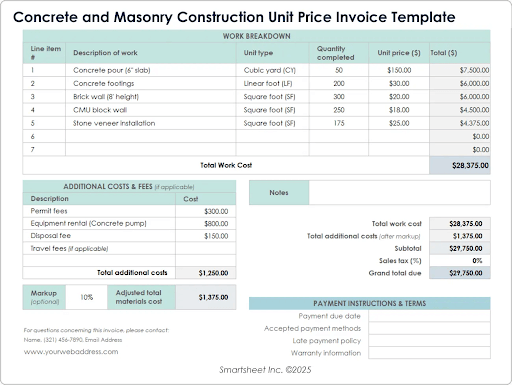
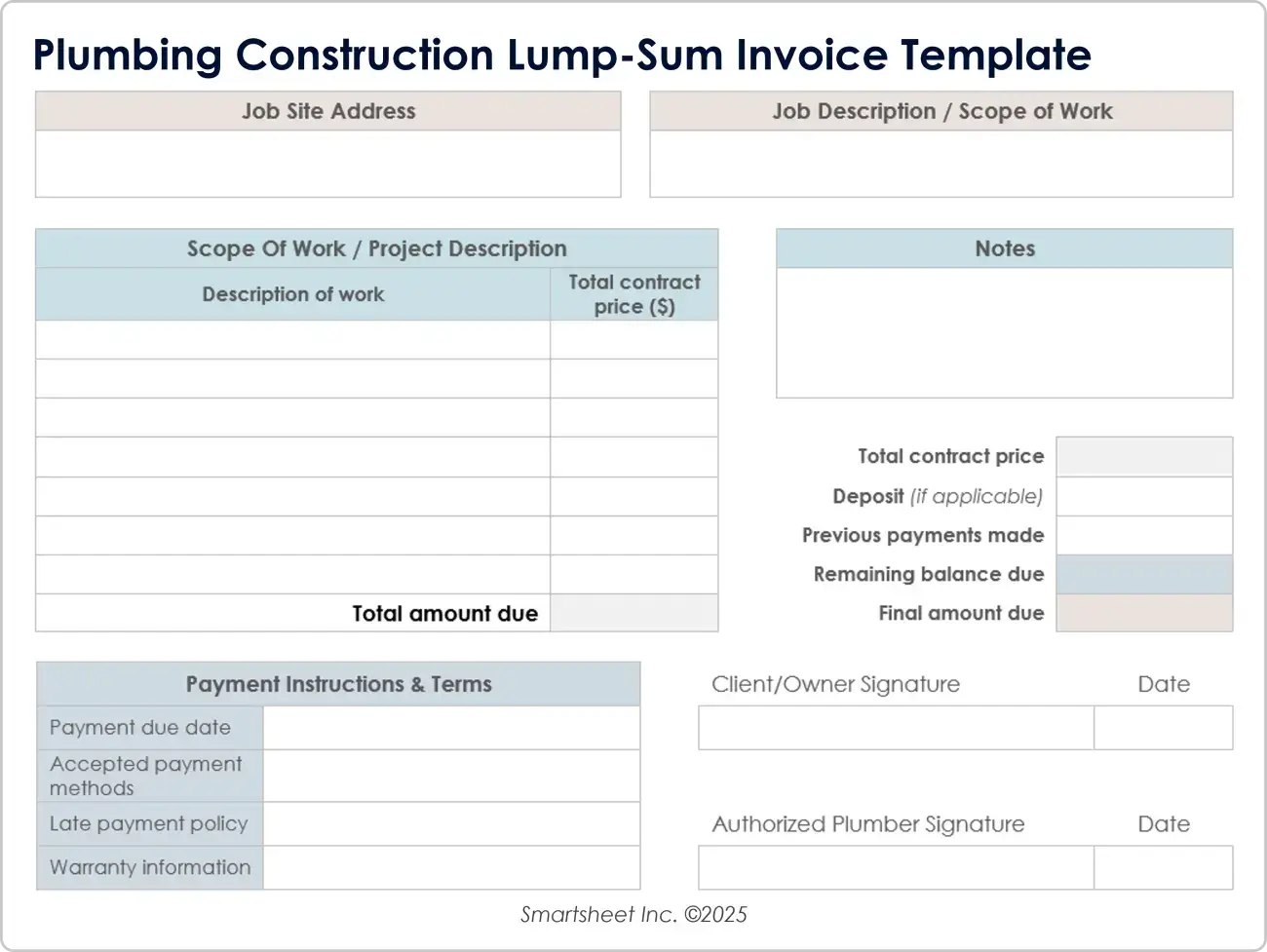
Payment provisions should make the commercial arrangement easy to understand. The agreement should state the contract price or pricing method, currency, billing frequency, invoice requirements, payment due date, applicable taxes, and the documentation required to support payment.
A fixed-price arrangement establishes an agreed amount for defined work, subject to the contract’s rules for changes, allowances, credits, and other adjustments. It can be attractive when the scope is sufficiently developed, but it becomes difficult to administer when the contract leaves significant work undefined.
A time-and-materials arrangement normally identifies labor rates, material pricing, equipment charges, markup, reimbursable expenses, and documentation requirements. If there is a spending limit, the contract should state how the limit works and whether written authorization is required before approaching it.
Cost-plus arrangements require particular care because the agreement should define which costs are reimbursable and how the contractor’s fee or markup is calculated. The document may also require records, receipts, cost reports, or approval procedures.
Progress payments should be tied to objective milestones whenever practical. Instead of saying “payment upon substantial progress,” a clearer schedule might identify completion of foundation work, framing, rough-in, drywall, final finishes, inspection, or another measurable milestone.

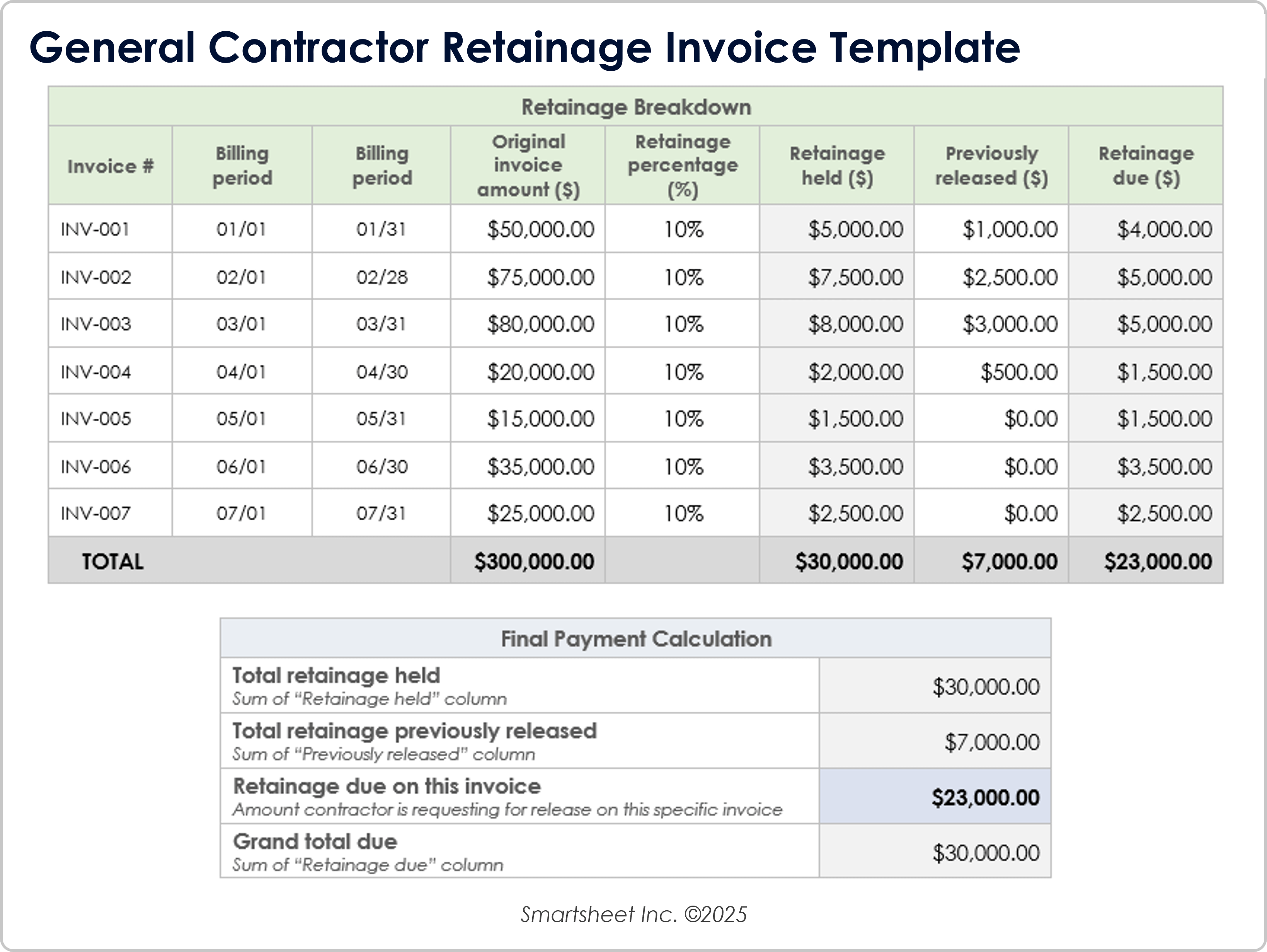
Retainage, Deposits, and Final Payment
Where retainage is used, the agreement should state the applicable percentage or calculation method, when retained amounts become payable, and what conditions must be satisfied before release.
Deposits and advance payments require particular attention because local law may regulate them. A template should never assume that a particular deposit percentage is lawful everywhere. Instead, the clause should be adapted to the jurisdiction and project category.
Final payment should be connected to clearly defined completion requirements. Those requirements may include completion of punch-list items, delivery of warranties and manuals, final inspections, cleanup, documentation, certificates, lien releases or waivers where applicable, and other contractual closeout requirements.
Payment clauses should also explain what happens if the client disputes part of an invoice. A practical arrangement can require the client to identify the disputed amount and reason within a specified period while undisputed amounts remain subject to the normal payment process, subject to applicable law.
Well-structured payment administration makes the financial history of a project easier to reconstruct. That is particularly valuable when several change orders, progress invoices, credits, retainage adjustments, and final payments occur over many months.
Schedule, Delays, and Completion
The agreement should establish a realistic start date, anticipated completion date, and meaningful milestones. If the contractor’s schedule depends on client decisions, permit approvals, material availability, site access, or information from another party, those dependencies should be acknowledged.
A schedule clause should distinguish between dates that are firm contractual commitments and dates that are estimates. It should also explain how delays are treated when they are caused by events outside the contractor’s reasonable control or by actions and omissions of the client.
Delay provisions can address extensions of time, notice requirements, acceleration, additional costs, weather, supply disruptions, changes, late selections, unavailable access, and interference by other contractors. The exact treatment should be adapted to the project and governing law.
Completion should have an objective definition. “Finished” can mean different things to different parties. A contract may instead define substantial completion, practical completion, final completion, or another appropriate milestone and specify what remains permissible after that milestone.
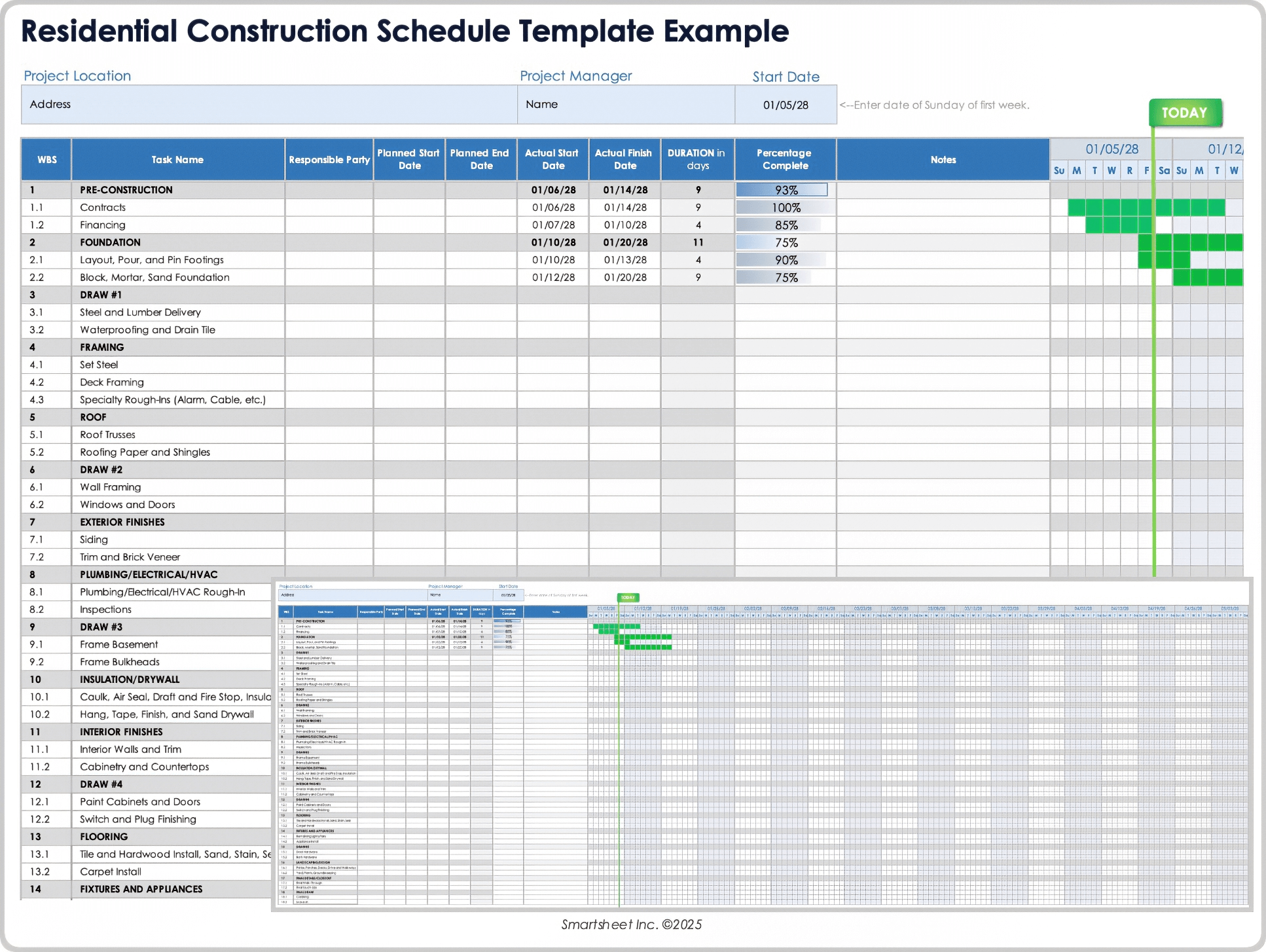
For longer projects, the contract can require a maintained schedule and periodic updates. A visual schedule helps connect contractual milestones with actual project administration, but the contract should specify which schedule is controlling if multiple versions exist.

Change Orders and Variations
Construction work changes. Clients may select different finishes, site conditions may reveal unexpected issues, drawings may be revised, authorities may request modifications, or a contractor may discover that additional work is necessary.
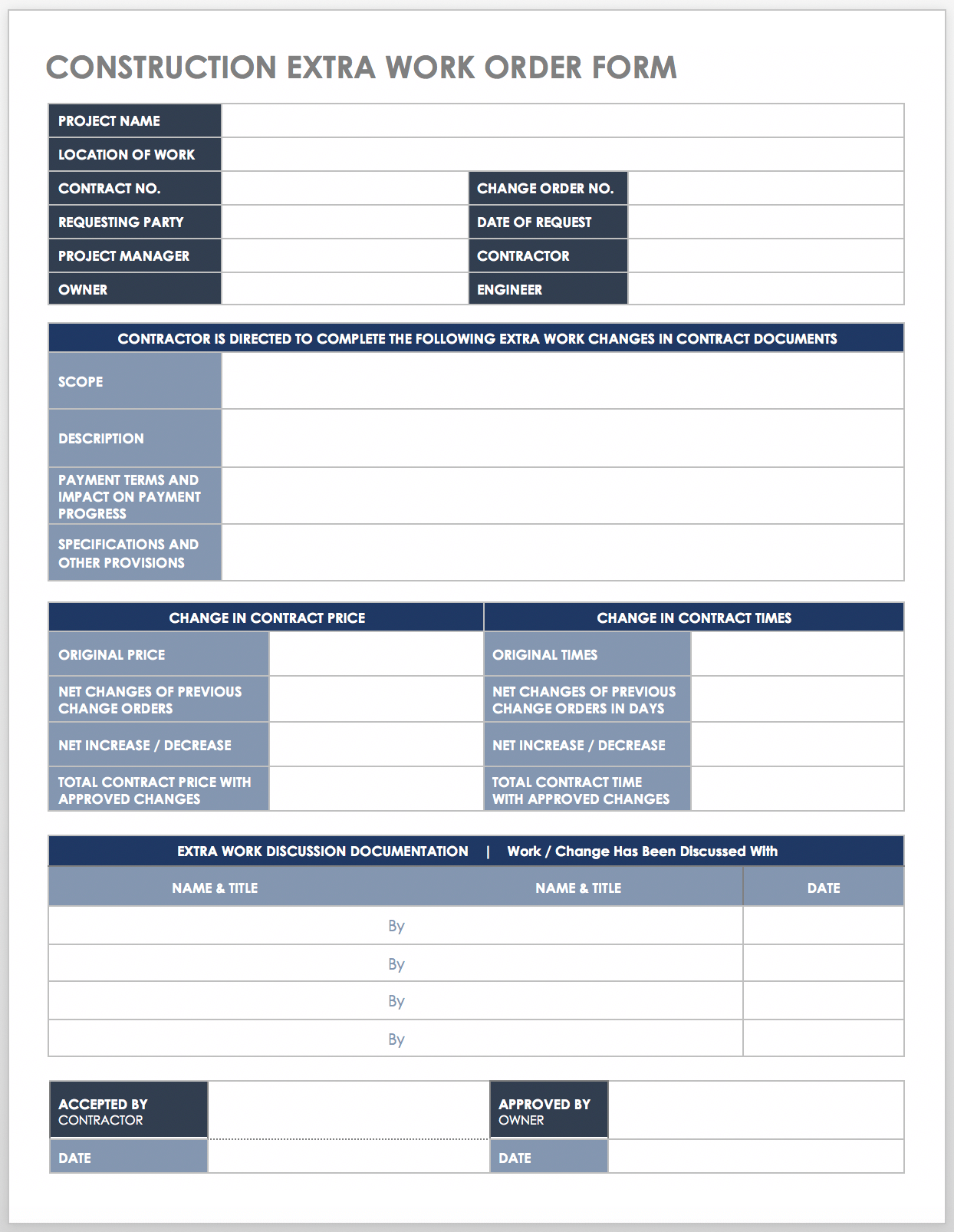
The agreement should therefore provide a clear process for changes rather than treating them as informal conversations. A typical change procedure identifies the proposed work, reason for the change, price adjustment, schedule adjustment, assumptions, supporting documents, and required approvals.
The contractor should avoid relying on a verbal statement such as “go ahead and we’ll sort out the price later” unless the contract and local law specifically accommodate that approach. The absence of contemporaneous documentation can make later agreement on price and time difficult.
A change request should distinguish between additions, deletions, substitutions, and clarifications. It should also state whether overhead, profit, supervision, equipment, taxes, and other costs are included in the proposed adjustment.
Professional construction guidance recognizes written change documentation as an important mechanism for adjusting project scope, contract time, and compensation. AIA guidance specifically notes that construction changes are common and that contracts should contain provisions for preparing and executing change documentation. :contentReference[oaicite:2]{index=2}

Example Change-Order Workflow
Imagine a homeowner asks a contractor to replace a standard bathroom vanity with a custom stone-top unit. The contractor first records the requested change and confirms what part of the original scope is affected.
The contractor then obtains the additional material and labor cost, checks whether the supplier lead time changes the schedule, and identifies any related work such as plumbing modifications.
A written change document records the additional or reduced contract amount, the revised completion date if applicable, the revised scope, and any assumptions. The document is then submitted for approval.
Once authorized, the change is entered into the project’s contract register and reflected in the next relevant invoice or payment application. The revised scope becomes part of the project’s controlled documentation.
This workflow prevents a common administrative problem: a change being performed on site but never properly incorporated into the financial and contractual record.
Materials, Equipment, and Subcontractors
The terms should identify who supplies materials and equipment and who bears the cost of procurement, delivery, storage, handling, installation, and disposal. If the client provides materials, the contract can specify the contractor’s responsibilities for receiving, inspecting, installing, or reporting defects.
Material standards should be documented when quality, brand, model, grade, performance, finish, or compatibility matters. If substitutions are permitted, the contract should explain who can approve them and whether an equivalent product must meet specified performance criteria.
Subcontractor provisions should address whether subcontracting is permitted, whether particular subcontractors require approval, and which obligations must flow down to subcontractors. Insurance, safety, quality, confidentiality, site rules, and compliance obligations may need to apply throughout the contracting chain.
The agreement should also clarify responsibility for subcontractor performance. In many arrangements, the main contractor remains responsible to the client for work performed by subcontractors, subject to the specific contract terms and applicable law.
Where specialist trades are involved, a responsibility matrix can be valuable. It can show who supplies each component, who installs it, who coordinates it, who tests it, and who provides the relevant documentation.
Insurance and Risk Allocation
Contractor insurance terms should be specific enough to identify what coverage is expected without making unsupported assumptions about local requirements. Depending on the project, relevant coverage can include commercial general liability, workers’ compensation or employer-related coverage, automobile liability, professional liability, builders risk, pollution liability, or other specialized policies.
The contract should state who must carry each policy, the required policy period, evidence of coverage, notification procedures, and any additional-insured or waiver requirements where legally and commercially appropriate.
Insurance should not be treated as a substitute for careful risk allocation. A contract may allocate a particular risk to a party, while insurance provides financial support for certain losses associated with that risk. The wording of indemnity, limitation-of-liability, insurance, and warranty clauses should therefore be coordinated.
A practical contractor insurance terms and conditions section should also address what happens if coverage expires, is canceled, materially changes, or becomes unavailable. The exact requirements should be reviewed with the contractor’s broker and legal adviser where appropriate.
Official contract guidance likewise treats insurance requirements as a substantive contract issue rather than a purely administrative attachment. For example, government contract guidance lists insurance requirements alongside specifications, invoicing, non-performance, change control, termination, and subcontracting provisions. :contentReference[oaicite:3]{index=3}

Warranties, Defects, and Correction of Work
A warranty clause should explain what is warranted, the duration of the warranty, when the warranty period begins, and how a claim must be submitted. It should distinguish contractor workmanship obligations from manufacturer warranties that may be passed through to the client.
Correction procedures are equally important. If a defect is reported, the contract can establish a notice process, reasonable access requirements, investigation procedures, and a period for corrective action, subject to applicable law.
Warranty language should not unintentionally promise more than the contractor can control. For example, a contractor installing an owner-selected product should be careful about accepting responsibility for a manufacturing defect that is outside the contractor’s workmanship obligations.
Conversely, the contractor should avoid vague language that makes it impossible to determine whether a workmanship complaint is covered. The best clause connects the warranty to measurable standards, contractual specifications, and the actual work performed.
Closeout documentation can make warranty administration easier. The contractor can provide product manuals, manufacturer warranties, maintenance information, inspection records, commissioning information, and a list of subcontractors or suppliers where appropriate.
Site Rules, Safety, and Compliance
Construction agreements should establish expectations for lawful and safe performance without attempting to replace detailed site-specific safety plans or applicable regulations. The contract can require compliance with applicable laws, permits, codes, site rules, environmental requirements, and reasonable client policies.
Site access should be addressed where it affects performance. Contractors may need defined working hours, delivery routes, storage areas, utility access, security procedures, temporary facilities, or rules for occupied properties.
Environmental conditions may also matter. Projects involving excavation, demolition, older buildings, hazardous substances, contaminated soil, protected materials, or unusual site conditions can require specific risk-allocation provisions and professional advice.
Compliance clauses should identify responsibility without making one party responsible for matters that legally belong to another. For example, a contractor may be responsible for obtaining permits within its contracted scope while the client remains responsible for approvals or documents that only the property owner can provide.
A strong template leaves enough room for project-specific requirements. The goal is not to make every agreement enormous; it is to make the applicable responsibilities visible and understandable.
Termination and Suspension
Termination clauses explain how the contractual relationship can end before all work is completed. Common categories include termination for material breach, non-payment, prolonged suspension, insolvency, convenience where permitted, or other specified events.
The clause should identify notice requirements and, where appropriate, an opportunity to cure a breach. It should also explain what happens after termination: demobilization, payment for completed work, treatment of materials, return of documents, protection of the site, subcontractor arrangements, and delivery of project records.
Suspension is different from termination. A client may need to pause work temporarily because of financing, design changes, permitting, access problems, or another issue. The agreement can establish when work may be suspended and how the parties address resulting time and cost effects.
Contractors should avoid drafting termination provisions that conflict with mandatory local rights. Construction and consumer laws can impose specific rules governing cancellation, notice, payment, or termination in particular situations.
A termination section is most useful when it is paired with a practical administrative procedure. The parties should know who gives notice, how notice is delivered, what records are preserved, and how outstanding financial obligations are calculated.

Dispute Resolution
Dispute clauses should provide a sequence for resolving problems before they become unnecessarily expensive. A practical sequence might begin with project-level discussion, followed by escalation to senior representatives, mediation, adjudication, arbitration, or court proceedings depending on the jurisdiction and contract.
The agreement should identify the governing law and venue where appropriate. These choices can have major consequences and should not be copied from a template without checking whether they are suitable for the project.
Notice procedures are especially important. A contract can require disputes or claims to be submitted in writing, identify the information that must be included, and specify where notices should be sent.
Good dispute provisions also encourage preservation of evidence. Project records can include drawings, revisions, photographs, daily reports, inspection records, delivery tickets, invoices, timesheets, correspondence, meeting minutes, change requests, and approvals.
The objective is not merely to describe what happens in litigation. It is to establish a manageable process that encourages issues to be identified early, documented accurately, and escalated only when necessary.

Contract Documents, Attachments, and Order of Precedence
A construction agreement rarely exists alone. It may be accompanied by an estimate, proposal, drawings, specifications, scope of work, schedule, payment schedule, insurance certificate, change orders, product schedules, allowances, or other exhibits.
The contract should identify which documents are incorporated into the agreement. It should also establish an order of precedence if conflicts occur. Without such a rule, one document may say that a material is included while another appears to exclude it.
Revision control is valuable. Each major attachment can have a date, revision number, or other identifier. When a drawing changes, the parties should be able to determine which version was incorporated into the contract and whether the change requires formal approval.
Electronic document management can simplify this process. A contractor can maintain a controlled project folder containing the executed agreement, current drawings, approved changes, invoices, schedules, insurance records, and closeout documents.
The template should also include an entire-agreement provision where appropriate. Such a clause generally helps establish that the written contract and identified attachments represent the parties’ agreement, subject to applicable law and any express amendment provisions.

How to Create a Contractor Terms and Conditions Template
Step 1: Define the Contracting Model
First determine what relationship the document is governing. An owner hiring a general contractor may need a different agreement from a general contractor hiring a subcontractor, a business engaging an independent specialist, or a property manager commissioning recurring maintenance.
The relationship determines which clauses matter most. A fixed-price residential renovation may emphasize scope, allowances, payment milestones, client selections, site access, and change orders. A commercial subcontract may place greater emphasis on flow-down obligations, schedule coordination, safety, insurance, submittals, and payment documentation.
Do not start by copying every clause available. Start by identifying the actual transaction and its risks. This produces a shorter and more relevant document.
Then decide whether the template will be used as a standalone agreement or as part of a proposal-and-contract workflow. If the contractor routinely issues proposals that become binding after acceptance, the relationship between the proposal and the full terms should be explicit.
The final template should have clear placeholders for information that changes from project to project while keeping stable business terms centralized.
Step 2: Build a Clause Checklist
Create a master checklist containing parties, project details, scope, exclusions, price, payment, schedule, changes, materials, subcontractors, insurance, warranties, safety, compliance, termination, disputes, notices, confidentiality where relevant, and signatures.
Next, mark each clause as required, conditional, or optional. A residential repair contract may not need the same provisions as a large commercial build.
This classification prevents the common mistake of using a large template without understanding which clauses apply. It also makes future revisions easier because the contractor can see why each section exists.
For repeat users, a template matrix can identify which version should be used for residential, commercial, subcontract, maintenance, emergency, or specialist work.
Finally, create a review checkpoint before the document is released. The reviewer should confirm that the project-specific fields are complete and that obsolete language has not remained in the agreement.

Contractor Terms and Conditions Template PDF vs. Word
A PDF version is generally useful for distribution, printing, review, and preserving an agreed version. Once the parties have finalized the document, a PDF can reduce accidental changes to formatting or content.
A Word version is more convenient during drafting because it allows the contractor to edit clauses, insert project details, revise schedules, and adapt language. The important point is to establish version control so that the editable source and executed PDF remain identifiable.
Businesses searching for a contractor terms and conditions template pdf should focus on whether the document can actually be customized to the intended project rather than choosing a template merely because it is downloadable.
Likewise, a contractor terms and conditions template word file is useful when a contractor wants to maintain a master document and adapt it for individual customers. The master should be stored separately from completed contracts to prevent accidental overwriting.
When a contractor terms and conditions template free download is used, the same review standard should apply as with a paid resource. “Free” describes the acquisition method, not whether the wording is appropriate, current, complete, or legally suitable.
Using a Contractor Terms and Conditions Template Free Resource Responsibly
Free templates can be useful for understanding structure and identifying clauses that should be considered. They can also save time when preparing an initial draft for a straightforward project.
However, the user should inspect every section before relying on it. Look for outdated terminology, jurisdiction-specific provisions, references to another country’s law, unrealistic payment rules, inconsistent defined terms, missing exhibits, or clauses that conflict with the contractor’s actual business model.
A free resource may also contain commercial assumptions that are inappropriate for a particular job. For example, a template designed for a general contractor may not work unchanged for a subcontractor, while a residential consumer agreement may not be appropriate for a sophisticated commercial client.
Do not confuse visual professionalism with legal completeness. A beautifully formatted document can still contain an unclear scope, contradictory payment terms, or an inappropriate limitation of liability.
The best use of a free template is therefore as a starting framework. Customize it, verify it, and obtain legal advice where appropriate before treating it as the final agreement.
Contract Terms and Conditions Template: Practical Example
Consider a hypothetical contractor hired to renovate a small retail unit. The project includes demolition, partition work, electrical modifications, flooring, painting, and final cleaning.
The scope section identifies the exact rooms and work areas, lists the drawing revision, specifies included materials, and states that specialist equipment supplied by the tenant is excluded. The price is fixed for the defined scope.
The payment section divides the price into a signing or mobilization amount where lawful, progress payments tied to measurable milestones, and final payment following agreed completion requirements. It also identifies the invoice submission process.
The change clause requires written approval for additions or deletions. A proposed change must state the price effect and any schedule effect before the contractor performs the additional work, except where urgent action is permitted by the agreement or applicable law.
The warranty section covers contractor workmanship for a stated period while preserving manufacturer warranties for supplied products. The dispute section requires the parties to first attempt project-level resolution before moving to the next agreed dispute mechanism.
Common Mistakes to Avoid
Using a Generic Scope
“General construction work” is rarely enough. The scope should identify specific tasks, deliverables, locations, materials, and exclusions. The more complex the project, the more valuable a detailed scope becomes.
Leaving Payment Terms Vague
Statements such as “payment due as work progresses” create uncertainty. Define when invoices are issued, what triggers payment, what documentation is required, and how disputed amounts are handled.
Ignoring Client Responsibilities
A contractor cannot control every project dependency. The contract should identify client responsibilities such as selections, approvals, access, utility availability, financing, owner-supplied materials, and timely decisions where those matters affect performance.
Allowing Verbal Changes Without Documentation
Verbal instructions can create disagreements about price and schedule. A written change process is safer because it creates a record of what was requested, approved, and performed.
Copying Legal Clauses Without Understanding Them
Indemnity, limitation of liability, insurance, waiver, termination, and dispute provisions can have significant consequences. Contractors should understand what these provisions do before incorporating them into a business template.
Failing to Update the Template
A master template should be reviewed periodically. Business practices, insurance arrangements, pricing models, technology, laws, and project requirements can change. An outdated template can create problems even when it worked well for an earlier project.
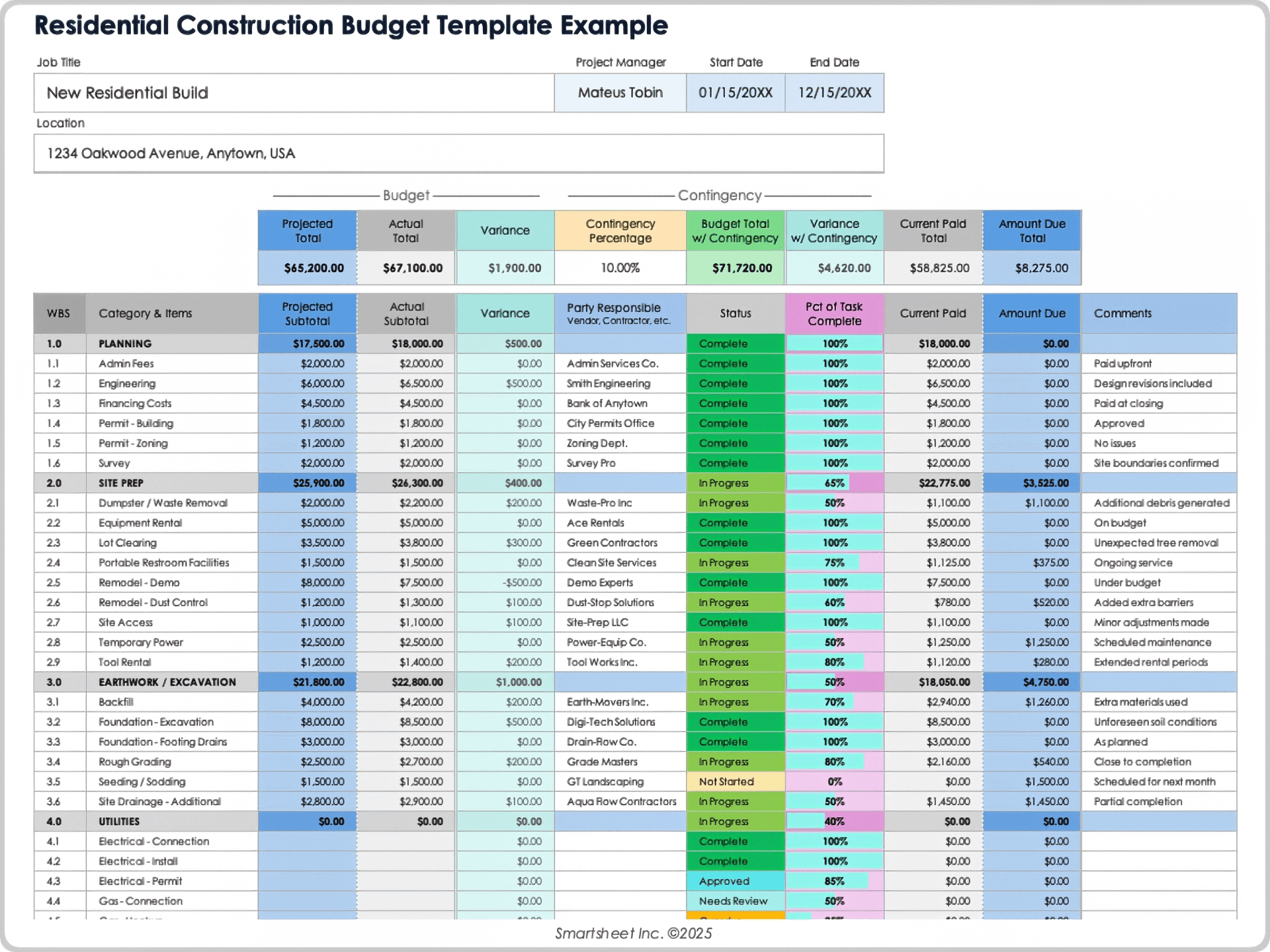
Contractor Agreement Terms and Conditions for Residential Work
Residential projects often involve homeowners who are less familiar with construction administration than commercial clients. The agreement should therefore prioritize clarity and avoid unnecessary jargon.
Home renovation contracts should carefully identify allowances and owner selections. If the client has not selected a finish, fixture, appliance, or material, the contract should explain how the allowance works and how differences in actual cost are handled.
Site conditions also deserve attention. Renovation work can reveal concealed damage, outdated systems, structural issues, moisture, or other conditions that could not reasonably be identified before demolition. The agreement should explain how unforeseen conditions are documented and priced.
Homeowners may also have occupancy concerns. Working hours, dust control, temporary utility interruptions, protection of occupied areas, access arrangements, and cleanup expectations can all be included in the project-specific terms.
For residential projects, consumer-protection rules can be particularly important. Contractors should verify local requirements rather than assuming that a general commercial template is sufficient.

Home Contractor Contract Terms and Conditions: What to Emphasize
For a home project, the contract should make the scope understandable to someone who is not a construction professional. A useful approach is to combine a short narrative description with a detailed scope or schedule of work.
The document should identify who is responsible for design, permits, selections, demolition, material purchasing, utility coordination, and final cleanup. Responsibilities that are obvious to a contractor may not be obvious to a homeowner.
Pricing should distinguish included work from allowances and potential additional costs. For example, a bathroom renovation may include a standard fixture allowance but charge the owner for upgrades above the allowance.
Schedule provisions should account for owner decisions and long-lead materials. If the contractor cannot reasonably control delivery dates for owner-selected products, the contract should explain how delays are treated.
Finally, the agreement should describe the final inspection and punch-list process. This gives both parties a practical method for identifying incomplete or corrective work without confusing minor closeout items with a fundamental failure to complete the project.
Contractors Contract Terms and Conditions for Subcontracting
When a contractor hires a subcontractor, the agreement should clearly identify the trade scope and the boundaries of responsibility. It should also explain the relationship between the subcontract and the prime contract where applicable.
Subcontract terms commonly need to address schedule obligations, site coordination, submittals, inspections, safety, insurance, warranties, cleanup, materials, equipment, payment, changes, and documentation.
Flow-down requirements should be intentional. If the subcontractor must follow certain requirements from the prime contract, those requirements should be identified rather than vaguely stating that the subcontractor accepts every obligation in an unseen document.
Payment provisions should explain what documentation the subcontractor must submit and whether payment is linked to approval, milestones, or other conditions. Any payment structure must be reviewed against applicable payment laws.
The subcontract should also define who owns or controls project documents, how changes are authorized, and what happens if the subcontractor encounters a condition that affects cost or schedule.
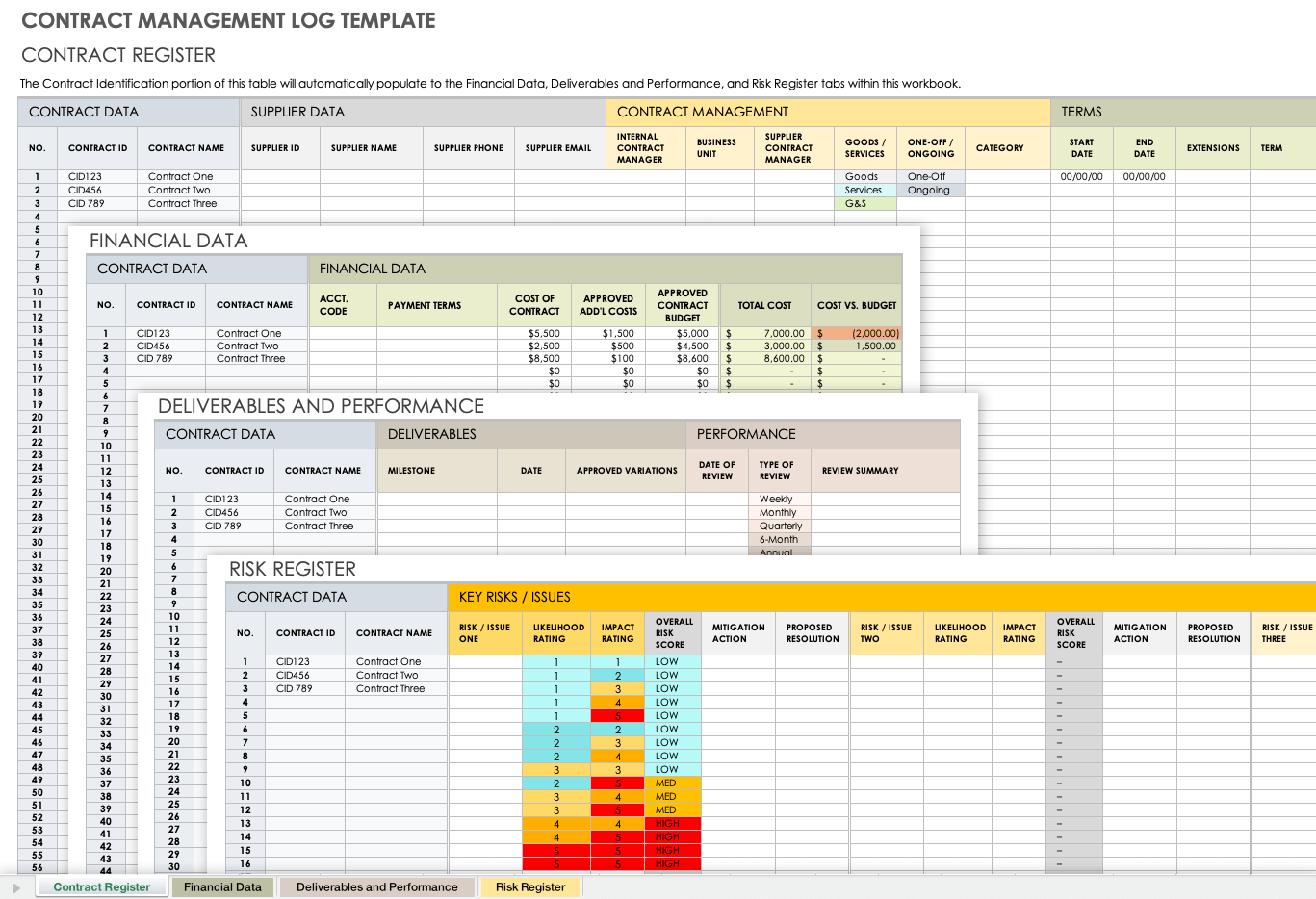
Builders Terms and Conditions Template for Larger Projects
A builders terms and conditions template may need greater detail when used for larger construction projects. Larger jobs typically involve more stakeholders, more documentation, more interfaces between trades, and more opportunities for scope or schedule changes.
For these projects, the contract should clearly establish document control, project communications, schedule updates, submittals, inspections, payment applications, change management, warranties, insurance, and closeout requirements.
Responsibility matrices can be particularly useful. A matrix can show whether the owner, designer, contractor, subcontractor, supplier, or another party is responsible for each major deliverable.
Commercial projects may also require more extensive provisions for coordination, access, security, confidentiality, reporting, safety documentation, testing, commissioning, handover, and maintenance.
The larger the project, the more important it becomes to distinguish the contract itself from administrative tools used to manage it. A project schedule or issue log may support administration without automatically becoming a contractual amendment unless the agreement says so.

Contractor Job Offer Terms and Conditions
A contractor job offer is different from a construction services agreement, but it may still need carefully defined terms. Where a business is engaging an independent contractor, the document should not accidentally describe the relationship as employment if the legal relationship is intended to be independent contracting.
A contractor job offer can identify the proposed role or services, compensation method, anticipated duration, start date, reporting arrangements, deliverables, confidentiality obligations, and conditions that must be satisfied before engagement.
It should also be consistent with the final contractor agreement. If the offer letter says one compensation amount while the agreement says another, the inconsistency can create avoidable uncertainty.
Businesses should be particularly careful about classification. Calling someone an “independent contractor” in a document does not necessarily determine legal classification. The applicable legal tests can depend on the actual relationship and jurisdiction.
For that reason, a contractor job offer should be treated as part of a broader engagement process rather than as a substitute for a complete contractor agreement where one is required or appropriate.

Data Collection and Contract Administration
Good contract administration depends on collecting the right information at the right time. Before signing, collect party details, project location, scope documents, pricing, schedule information, insurance evidence, licenses where relevant, and any required approvals.
During the project, maintain records of invoices, payments, change requests, approvals, schedule updates, inspections, delivery records, photographs, site instructions, and significant communications.
At closeout, collect warranties, manuals, final invoices, completion documentation, certificates, punch-list records, and other deliverables specified by the contract.
Contract information can then be analyzed for recurring problems. A contractor might discover that most disputes arise from unclear exclusions, late client selections, undocumented changes, or incomplete payment applications.
That analysis can improve the next version of the template. In this way, contract administration becomes a feedback system rather than a filing exercise.

How to Analyze and Improve Your Template
Start by reviewing completed projects and identifying where questions, disputes, delays, or payment problems occurred. Do not simply ask whether the contract “worked”; identify which clause or missing detail contributed to the issue.
Next, categorize the problems. Scope issues, pricing issues, schedule issues, documentation problems, communication failures, and legal issues often require different improvements.
For scope disputes, strengthen descriptions and exclusions. For payment disputes, clarify milestones, invoice requirements, and dispute procedures. For delay disputes, document dependencies and notice requirements more clearly.
Review the template with the people who actually use it. Estimators may notice problems that lawyers do not see in day-to-day operations, while project managers may identify administrative requirements that are difficult to follow in the field.
Finally, create a controlled revision process. Give the master template a version number and review date, record significant changes, and make sure staff know which version is approved for new projects.

Practical Solution: A Repeatable Contractor Contract Workflow
The most practical solution is to turn the contractor terms and conditions Template into a repeatable workflow rather than treating it as a document that is created from scratch every time. Begin with one approved master template that contains the contractor’s standard commercial language and clearly marked project-specific fields.
Before preparing a new agreement, complete a project intake checklist covering the client, site, scope, price, pricing model, schedule, payment milestones, insurance, permits, subcontractors, allowances, exclusions, and special conditions. This prevents the contract drafter from discovering major commercial details halfway through document preparation.
Next, create the project-specific draft. Replace placeholders, attach the correct scope and drawings, verify the pricing, and remove clauses that do not apply. Check every date, amount, company name, project address, attachment reference, and defined term before sending the draft.
After negotiation, record approved changes and generate a clean execution copy. Store the signed agreement in a controlled project folder and preserve the editable source separately. During construction, use change orders and written approvals to maintain alignment between the original agreement and subsequent modifications.
At closeout, compare the contract requirements with the final deliverables. Confirm that outstanding payments, warranty information, completion records, approvals, and other required documents have been addressed. Finally, record lessons learned so future versions of the contractor terms and conditions Template become more accurate and easier to administer.
Reference Examples
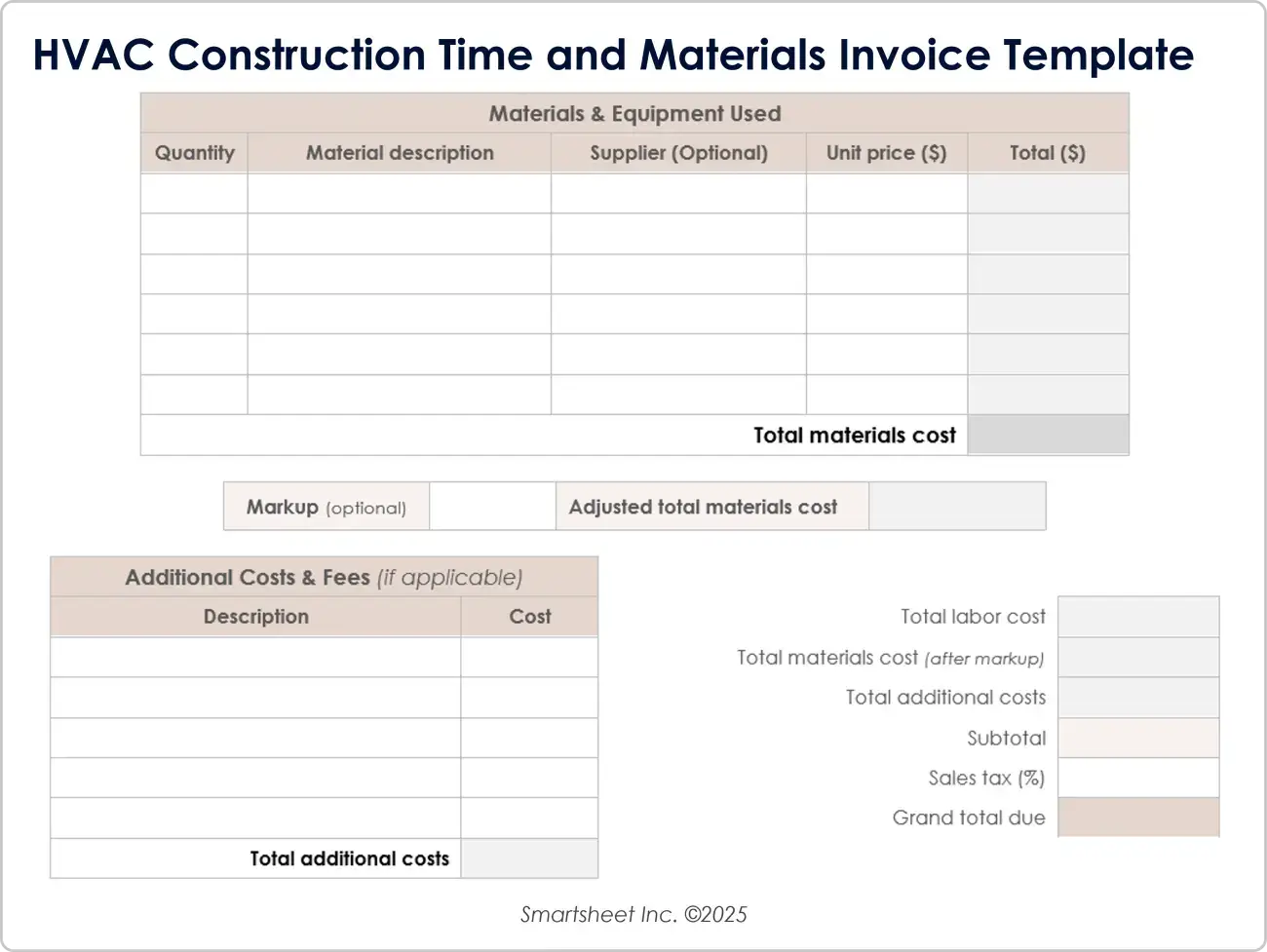
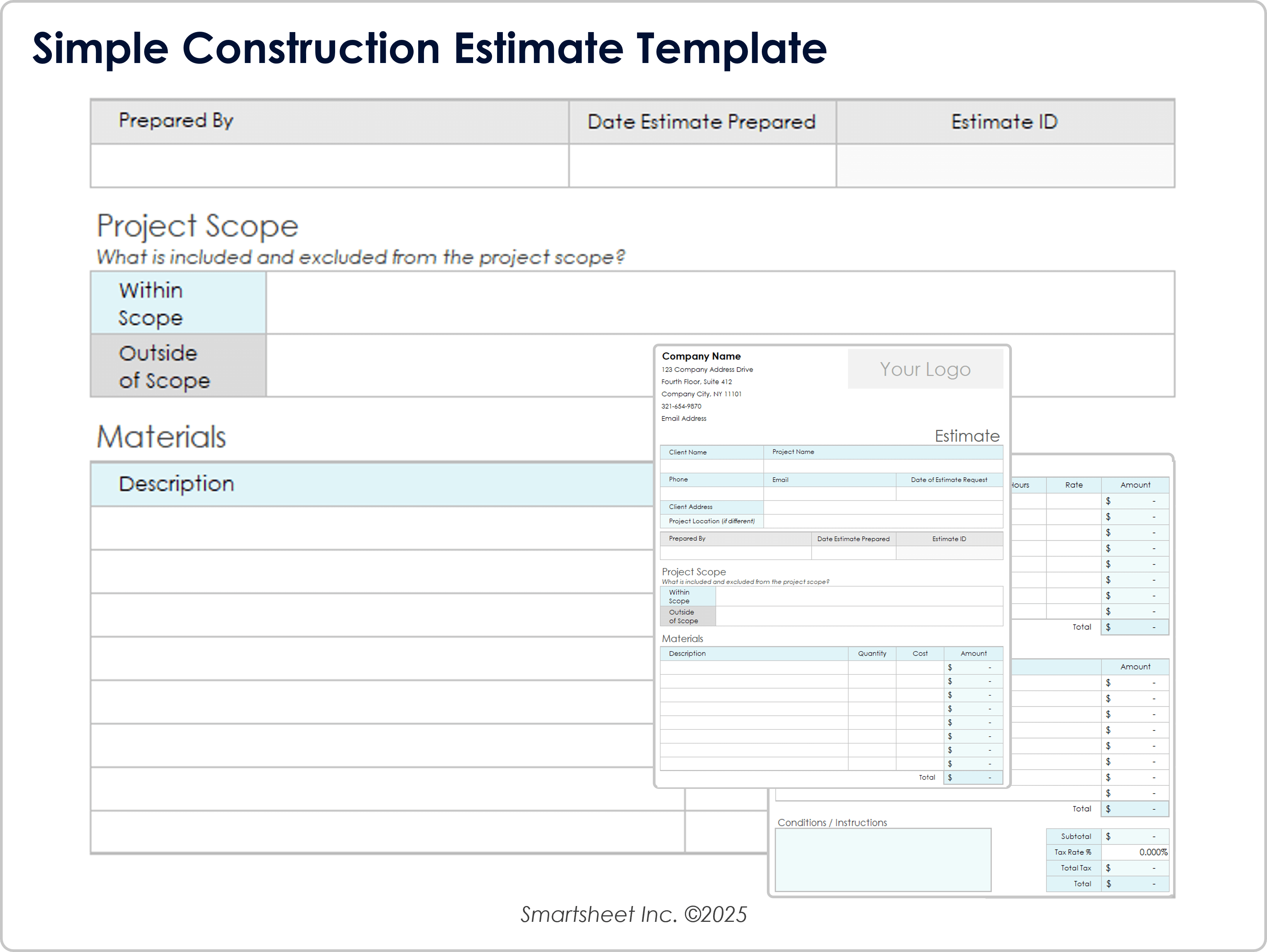
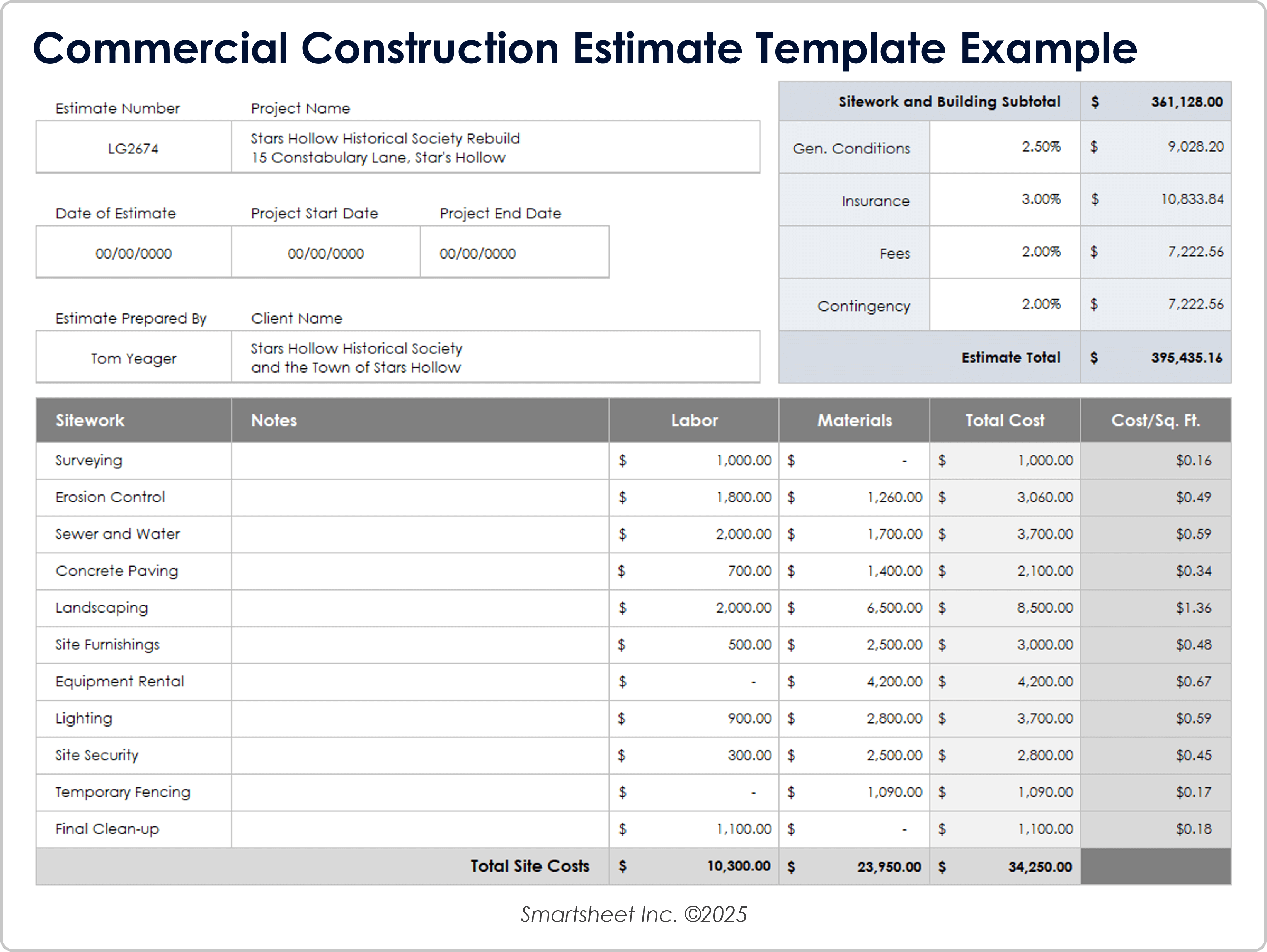
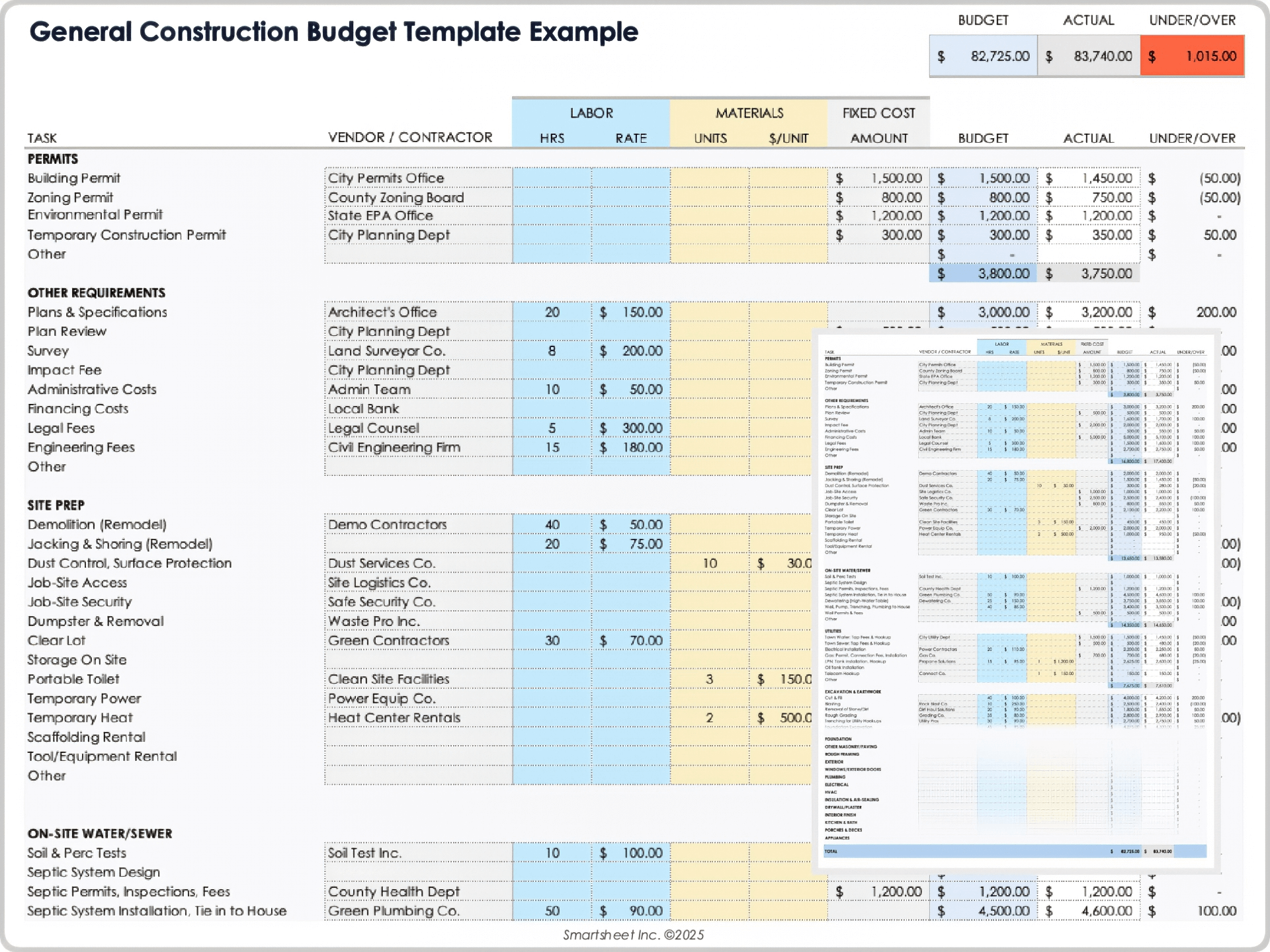
The following visual references show different document structures that can help illustrate how contractor agreements, scopes, payment records, insurance documentation, proposals, and related administrative forms may be organized. They are examples for reference, not universal legal forms.
contractor terms and conditions template pdf
Source: Smartsheet
contractor terms and conditions template free

Source: Smartsheet
contractor terms and conditions template word
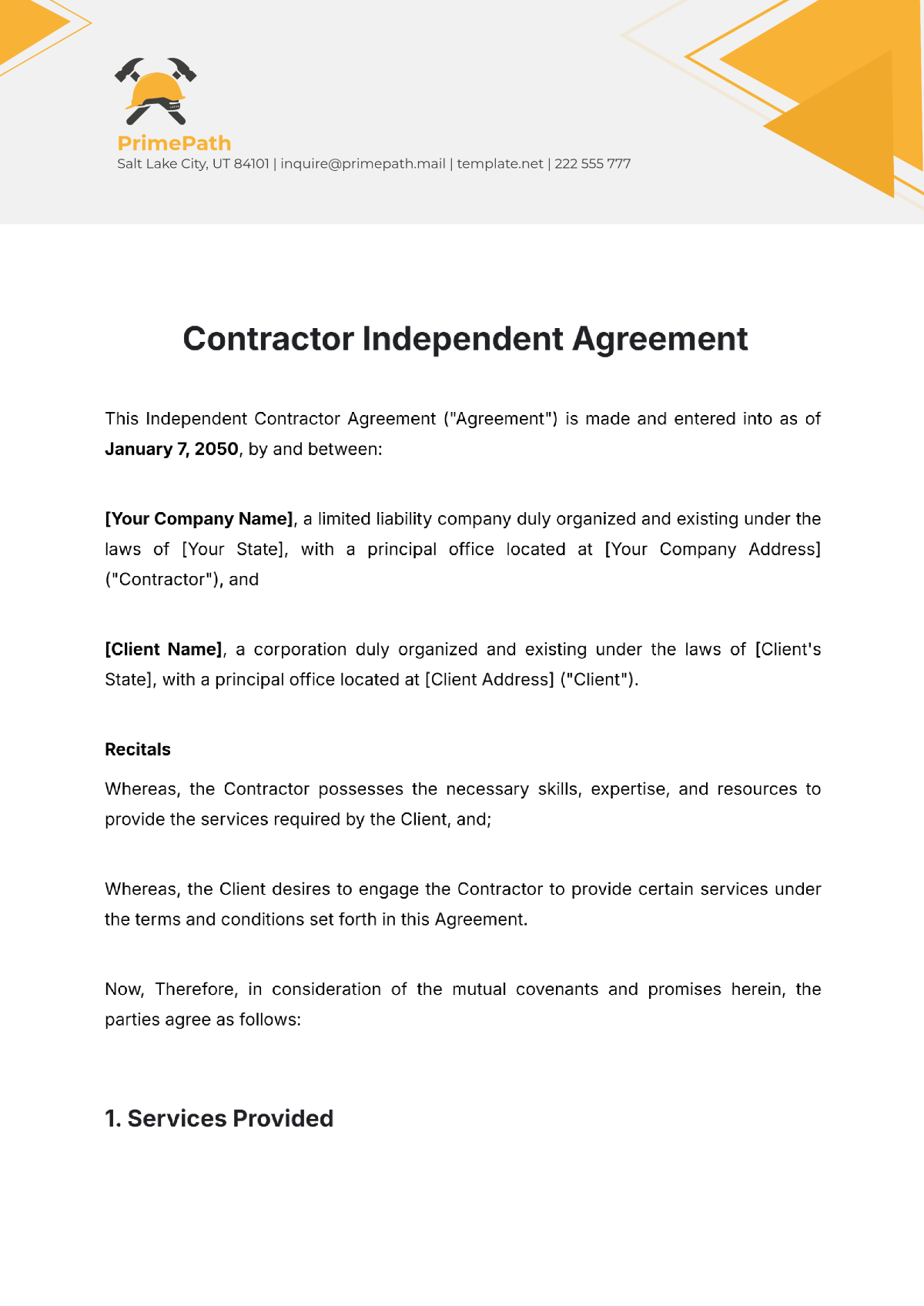
Source: Template.net
contractor terms and conditions template free download

Source: WordTemplatesOnline
contractor terms and conditions
Source: Smartsheet
contract terms and conditions template

Source: Smartsheet
contractor agreement terms and conditions
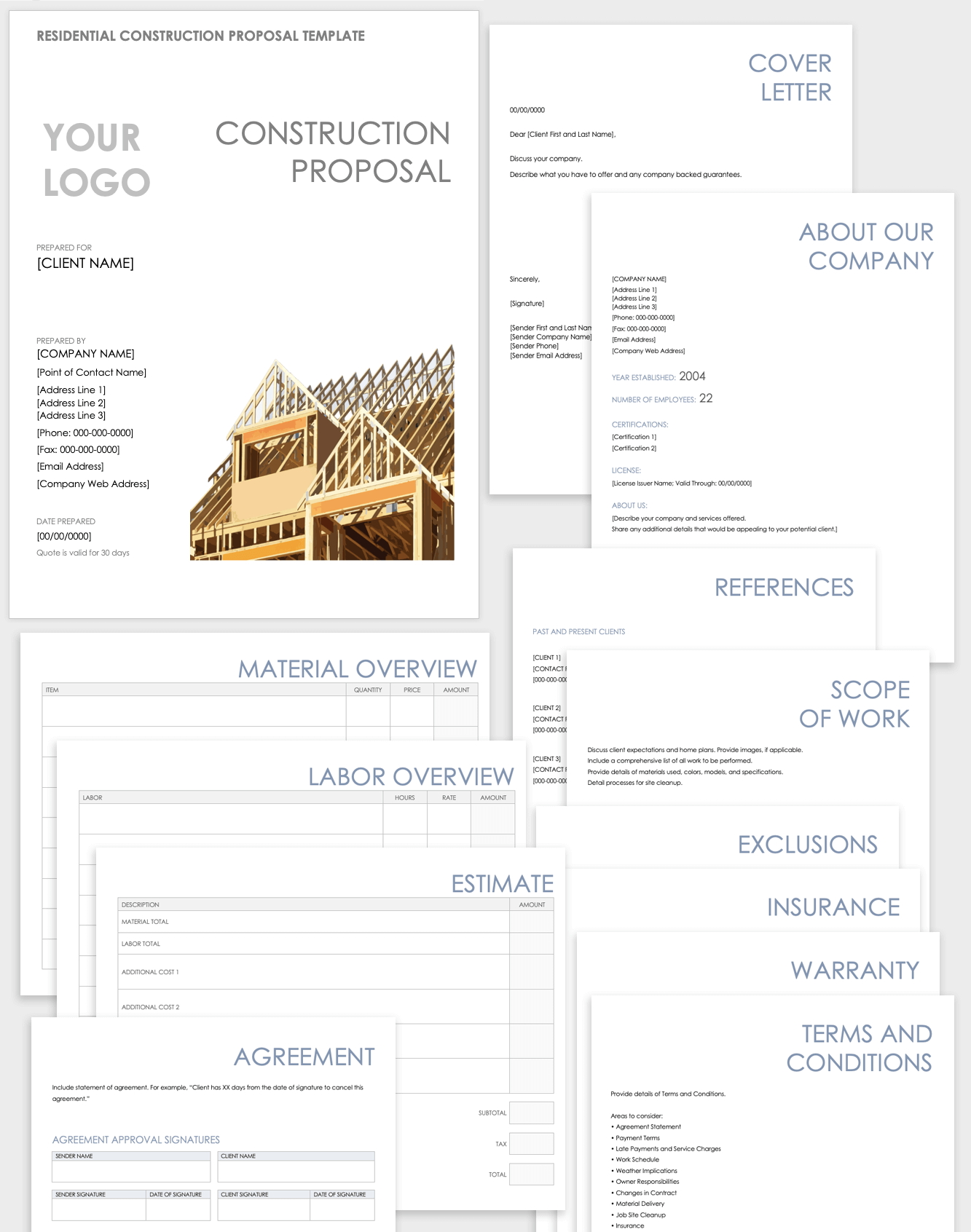
Source: Smartsheet
contractors contract terms and conditions
Source: Smartsheet
home contractor contract terms and conditions
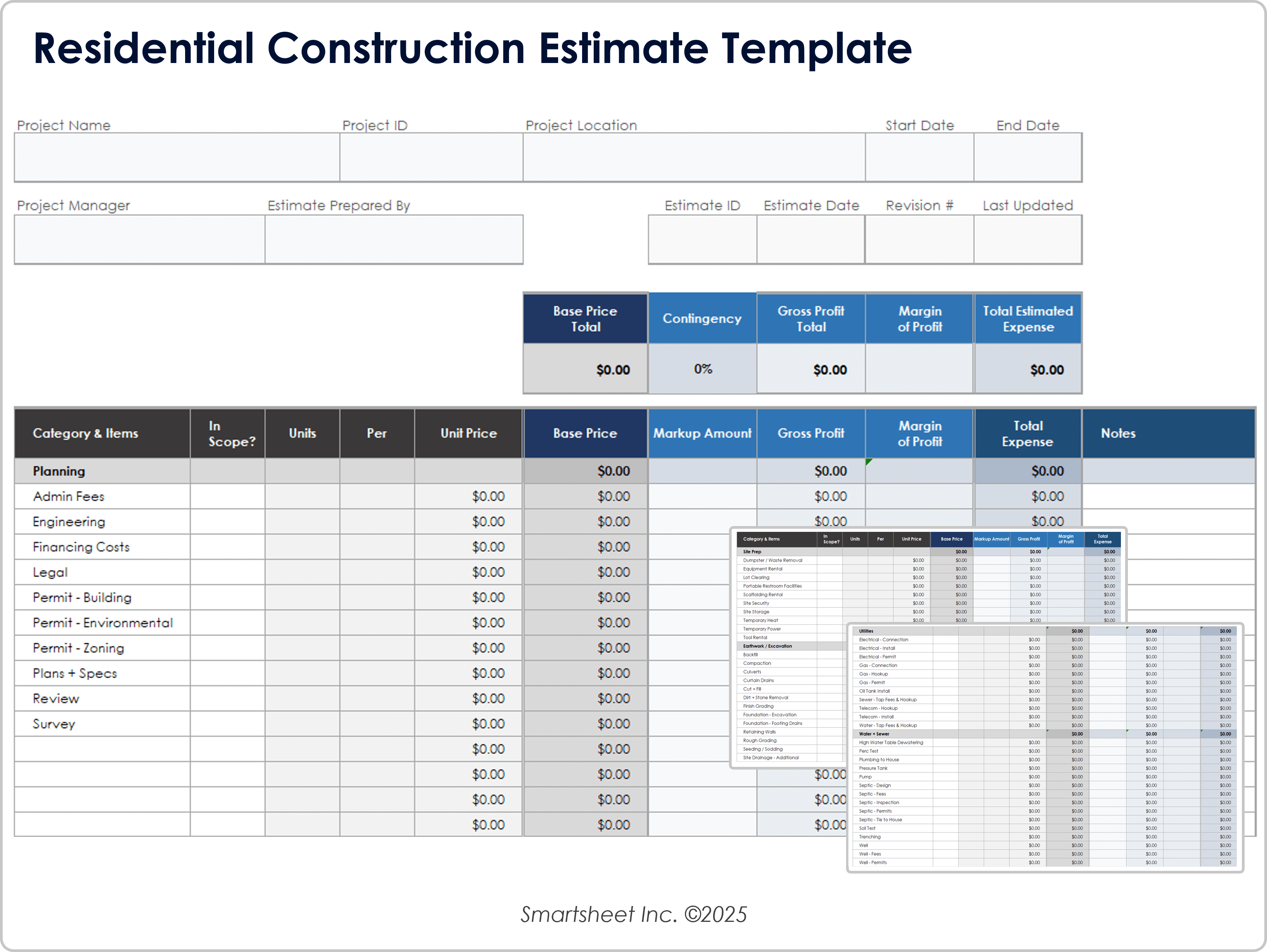
Source: Smartsheet
contractor insurance terms and conditions
Source: Template.net
contractor job offer terms and conditions
Source: Template.net
builders terms and conditions template
Source: WordTemplatesOnline
Frequently Asked Questions
What should a contractor terms and conditions Template include?
At minimum, it should normally identify the parties, project, scope, price or pricing method, payment terms, schedule, change procedure, responsibilities, applicable insurance requirements, warranties, termination provisions, dispute process, notices, and signatures. Additional clauses should be added when the project requires them.
Can I use a free contractor template for a real project?
A free template can be a useful starting point, but it should not be adopted without review. Customize it for the actual project and jurisdiction, check every clause for relevance, and seek legal advice when the project value, risk, or complexity justifies professional review.
Is a contractor terms and conditions template pdf better than Word?
They serve different purposes. Word is generally more convenient for editing and customizing a master document, while PDF is useful for distributing and preserving a finalized version. A practical workflow often uses both.
Should payment terms be included in the main agreement?
Yes, payment terms should be clearly documented somewhere that forms part of the agreement. They should identify the price or pricing method, invoice procedure, payment timing, milestones, taxes, disputed amounts, and any applicable retainage or other payment mechanisms.
Do contractors need written change orders?
Written change documentation is strongly recommended because it records what changed, why it changed, and the effect on price and schedule. The exact legal requirements vary, but a clear written process is valuable for project administration and dispute prevention.
What is the difference between a contractor agreement and terms and conditions?
A contractor agreement is the broader contractual arrangement between the parties. Terms and conditions are the rules and obligations contained within that agreement. In some businesses, the terms and conditions form a separate document incorporated into a proposal, purchase order, work order, or master agreement.
Should insurance requirements be written into the contract?
Where insurance is relevant to the project’s risk allocation, the contract should clearly state the required coverage and evidence of insurance. Requirements should be coordinated with the contractor’s insurance adviser and applicable law.
How often should a contractor template be updated?
There is no universal interval that fits every business. A template should be reviewed whenever laws, insurance arrangements, pricing practices, project types, business processes, or recurring disputes reveal a need for change. A periodic formal review is also a sensible control.
Conclusion
A strong contractor terms and conditions Template is a practical tool for turning project expectations into a structured written agreement. Its effectiveness depends less on length than on clarity: the scope should be understandable, the price should be traceable, payment triggers should be defined, changes should be documented, responsibilities should be allocated, and the process for resolving problems should be visible.
Contractors can improve their agreements by using templates as controlled starting points rather than copying generic wording blindly. A contractor terms and conditions Template should be adapted to the type of project, client, pricing model, risk profile, jurisdiction, and administrative workflow involved.
The strongest process connects the contract to the documents used throughout the project. Estimates, schedules, work orders, invoices, change orders, insurance records, inspections, and closeout documents should reinforce the same commercial understanding rather than operate as disconnected paperwork.
Whether the goal is a contractor terms and conditions template free resource, an editable Word document, a PDF-ready agreement, a residential contract, or a larger builders agreement, the same principle applies: define expectations before they become disputes, document changes as they happen, and keep the final agreement synchronized with project reality.
Used thoughtfully, a contractor terms and conditions Template can make contracting more consistent, improve communication, strengthen project administration, and give both parties a clearer understanding of what they have agreed to do, pay for, deliver, and resolve.

The best contractor terms and conditions Template is ultimately the one that accurately reflects the specific project, is reviewed for applicable legal requirements, is understood by everyone who must follow it, and is maintained as a living record of the agreement from initial scope through final completion.
