A well-designed property management operations Template turns a collection of recurring duties into a repeatable operating system. Instead of relying on memory, scattered emails, individual spreadsheets, or informal instructions, a manager can organize leasing, tenant communication, rent administration, inspections, maintenance, vendor coordination, reporting, and turnover into clearly defined workflows. The strongest templates are not simply lists of tasks. They explain what must happen, when it must happen, who owns the task, what evidence should be recorded, and what happens when an issue requires escalation.
The need for structured operations is especially important as a portfolio grows. A process that works for one or two properties can become difficult to control across dozens of units. Current property-management guidance commonly emphasizes documenting repeatable procedures, assigning responsible roles, defining timeframes, identifying tools, and connecting operating procedures with practical forms and checklists. A useful operations template therefore acts as the bridge between policy and day-to-day execution.
There is no single universal format that fits every landlord, residential portfolio, commercial building, or management company. A small rental portfolio may need a compact workbook and a few checklists, while a larger operation may need separate procedures for leasing, accounting, maintenance, compliance, emergency response, inspections, and owner reporting. The right structure depends on property type, team size, jurisdiction, service standards, and the level of operational control required.
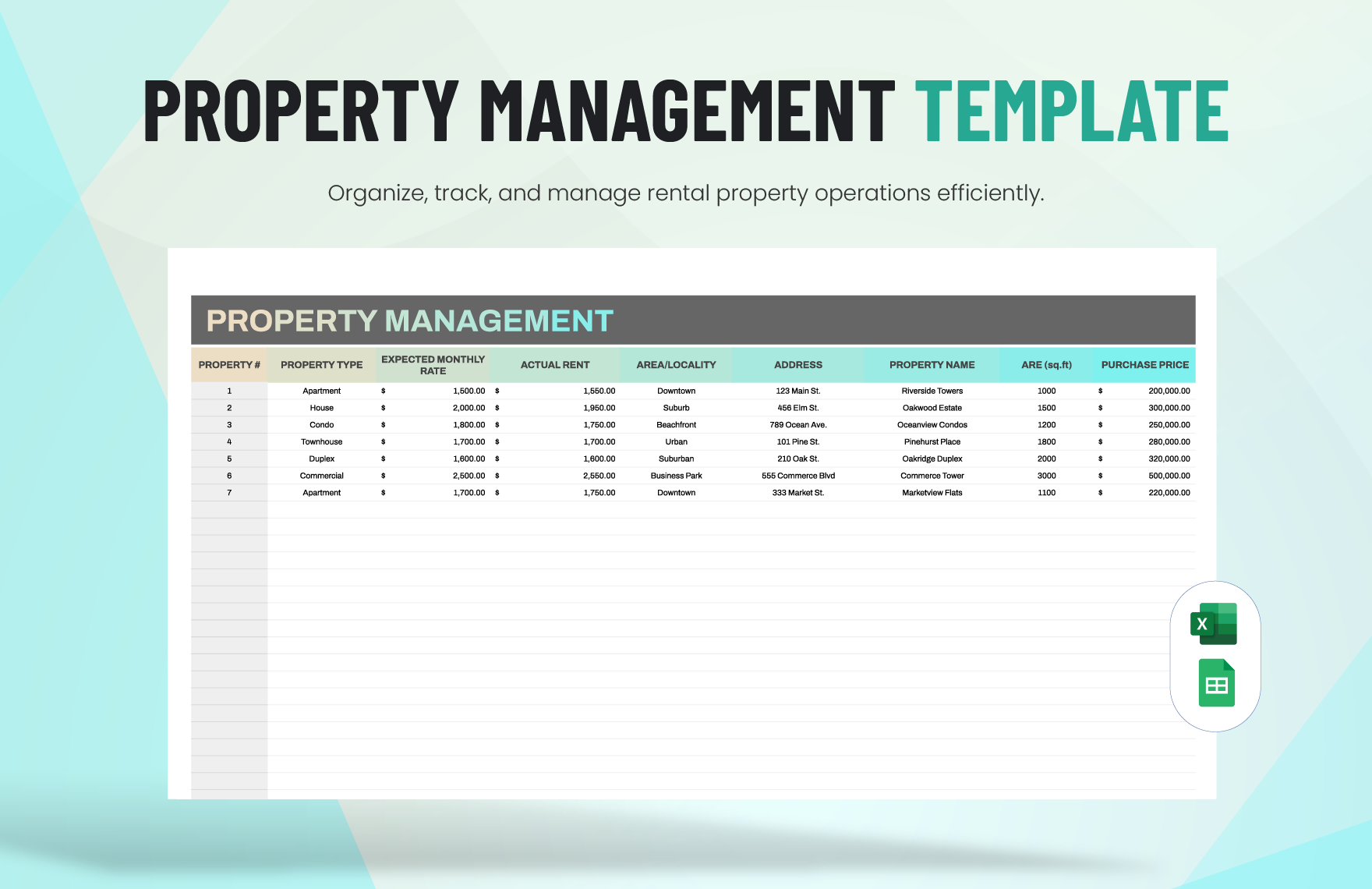
What a property management operations Template should accomplish
The primary purpose of an operations template is consistency. A manager should be able to look at a process and understand its trigger, required steps, owner, deadline, supporting records, and completion criteria. For example, a maintenance request should not simply say “handle repair.” A useful workflow identifies how the request is received, how urgency is classified, whether owner approval is needed, which vendor is assigned, how completion is confirmed, and where the invoice and supporting records are stored.
A second purpose is accountability. When responsibilities are written down, it becomes easier to determine whether a task was completed, delayed, delegated, or escalated. This matters when several people share responsibilities across leasing, maintenance, accounting, and administration. A process record can also make handoffs clearer, reducing the risk that a task disappears between departments or between one management cycle and the next.
The third purpose is operational learning. A template should evolve as the business learns from recurring errors, tenant complaints, maintenance patterns, audit findings, and process bottlenecks. Current operations-manual guidance recommends treating the manual as a living document rather than a static file, with procedures reviewed when laws, software, or internal processes change.
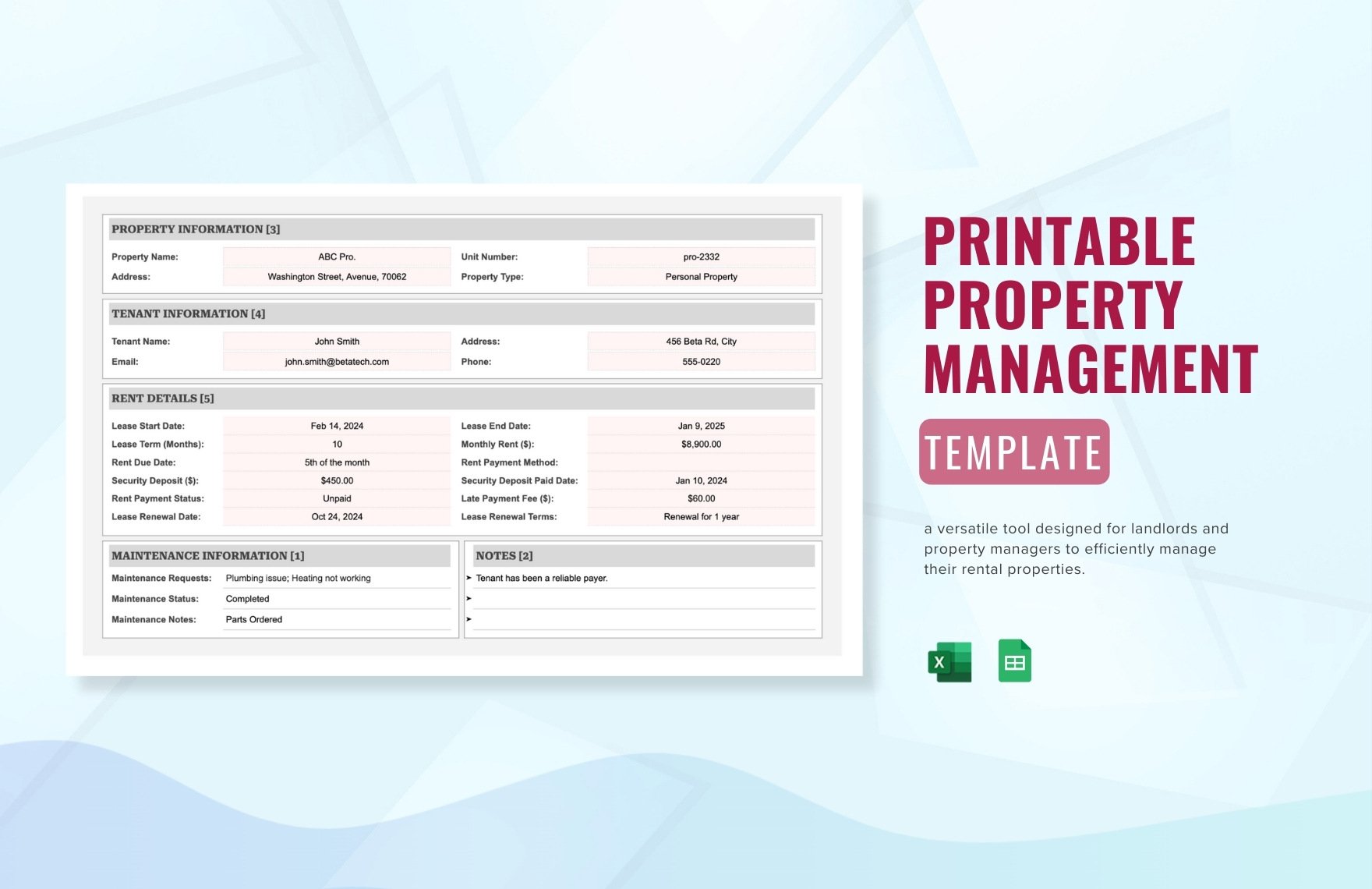
Core sections to include in the template
A strong structure begins with a property profile. Record the property name, address, property type, unit count, ownership information, management contact, emergency contacts, utility responsibilities, insurance information, and important recurring dates. The purpose is not to duplicate every record in a separate system, but to create a reliable operational reference that tells staff where the property fits within the management process.
The next layer should define roles and authority. Identify who handles leasing inquiries, tenant screening, lease preparation, rent follow-up, maintenance requests, inspections, vendor coordination, accounting, owner communication, and emergency escalation. Where spending authority matters, document approval thresholds and the person who can authorize work. A process is much easier to execute when responsibility is explicit rather than implied.
The operational layer should then cover the property lifecycle. A practical sequence includes property onboarding, marketing and leasing, tenant onboarding, ongoing rent administration, maintenance, inspections, lease renewals, notices, move-out, turnover, owner reporting, financial reconciliation, compliance monitoring, and emergency response. A current property-management operations manual example follows a similar lifecycle, with dedicated procedures for leasing, onboarding, rent collection, inspections, maintenance, renewals, vacates, trust accounting, compliance, communication, technology, and emergencies.
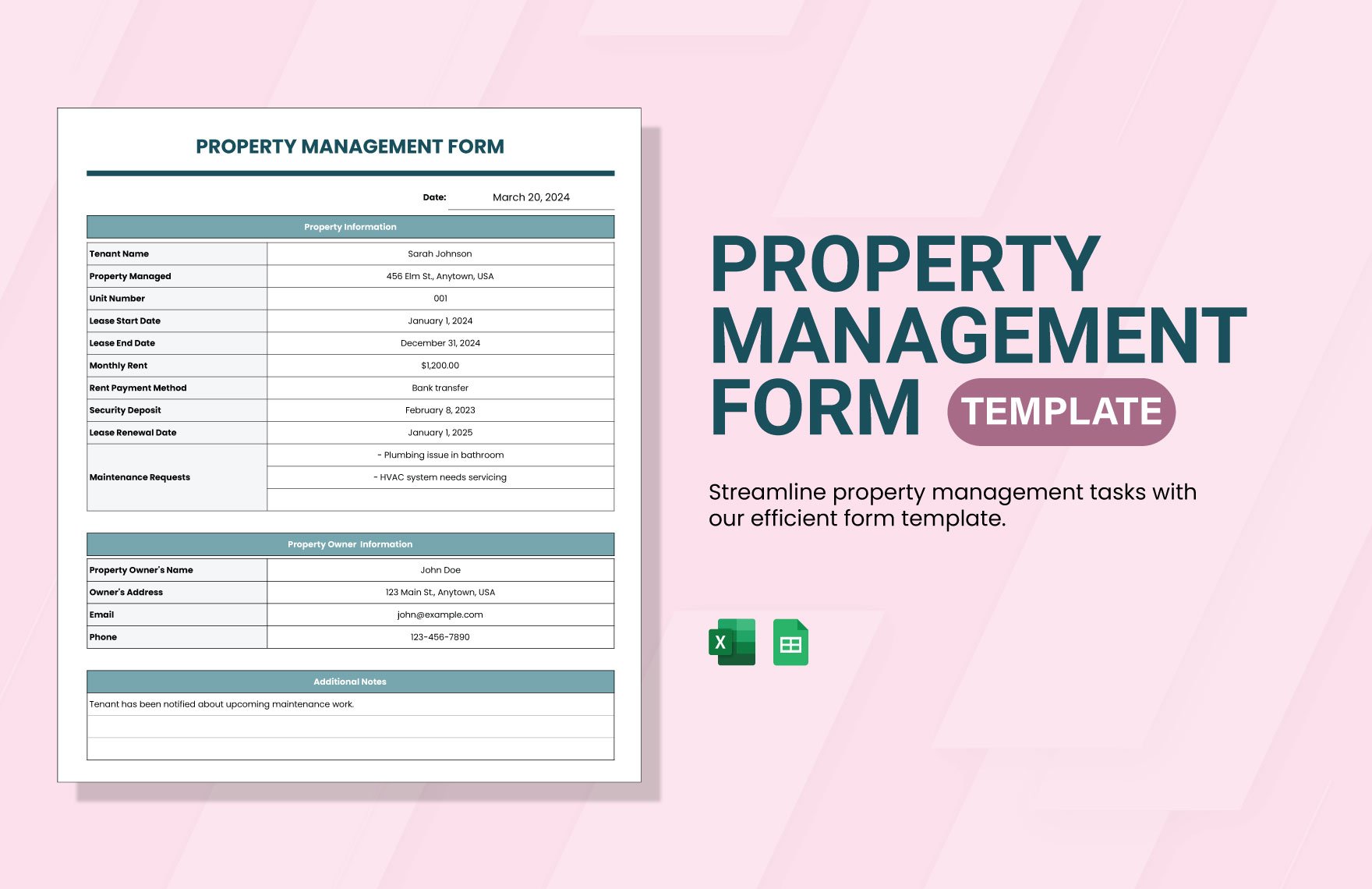
Property and tenant records
Property records should contain enough information to support operational decisions without becoming an unstructured data dump. Useful fields include unit identifier, occupancy status, lease dates, rent amount, deposit information, inspection history, open maintenance items, vendor assignments, and relevant notes. Tenant records should be handled carefully, with access limited to people who legitimately need the information and with retention practices aligned to applicable requirements.
Lease information deserves its own operational structure because it drives several recurring events. A manager needs visibility into start dates, expiration dates, renewal decisions, rent changes, notices, and required follow-up. A schedule that highlights upcoming milestones can prevent last-minute renewal work and help coordinate leasing, owner communication, inspections, and turnover planning.
Property-management templates commonly separate tenant information, rental applications, reference checks, rent records, inspection forms, maintenance logs, and lease documents because each supports a different operational decision. Smartsheet, for example, organizes its property-management resources into property management, maintenance and inspection, leasing, and lease-termination or vacancy categories.
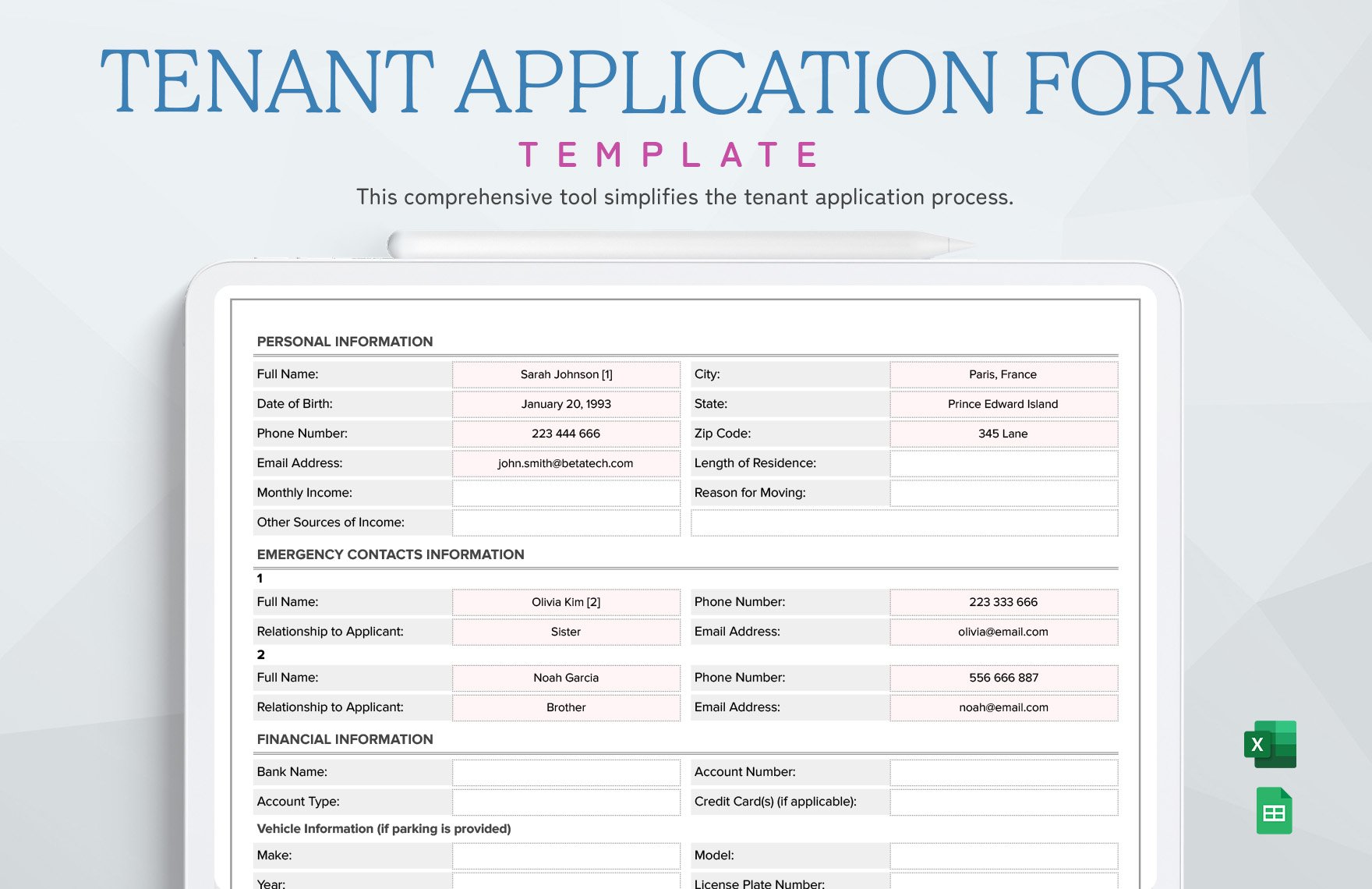
Leasing and tenant onboarding workflows
Leasing procedures should begin with inquiry handling and continue through screening, approval, lease execution, move-in preparation, and key handover. The operations template should define the sequence rather than merely naming the tasks. For example, the process may require inquiry logging, property information, showing coordination, application receipt, screening, decision documentation, lease preparation, required signatures, deposit handling, condition documentation, and move-in confirmation.
Tenant screening should use consistent criteria and documented procedures. The exact requirements vary by jurisdiction and business model, so an operations template should not assume that one screening rule applies everywhere. Instead, document the approved criteria, required records, review responsibilities, escalation path, and recordkeeping process. Consistency is particularly important because property managers may evaluate multiple applicants for similar units.
Move-in is another important handoff. Before keys are released, the property should be confirmed as ready, required documents should be completed, outstanding maintenance items should be identified, and the property’s condition should be documented according to the organization’s process. A move-in checklist can connect the administrative side of leasing with physical property readiness.
Communication standards
Communication procedures should specify which matters require written records, how urgent requests are escalated, and how follow-up is documented. A simple rule can be useful: if a tenant request changes a decision, creates an obligation, involves money, concerns a safety matter, or requires future action, the relevant record should be preserved in the appropriate system.
Standard communication templates can improve consistency without making communication feel mechanical. Examples include move-in instructions, maintenance updates, inspection notices, renewal correspondence, payment reminders, owner updates, and move-out instructions. The operations manual should explain when each communication is appropriate and identify any jurisdiction-specific notice requirements that need professional review.
The objective is not to eliminate judgment. It is to make the routine parts predictable so managers can spend more time on situations that genuinely require judgment. A documented communication workflow also helps when another team member has to take over a property unexpectedly.

Rent collection and financial controls
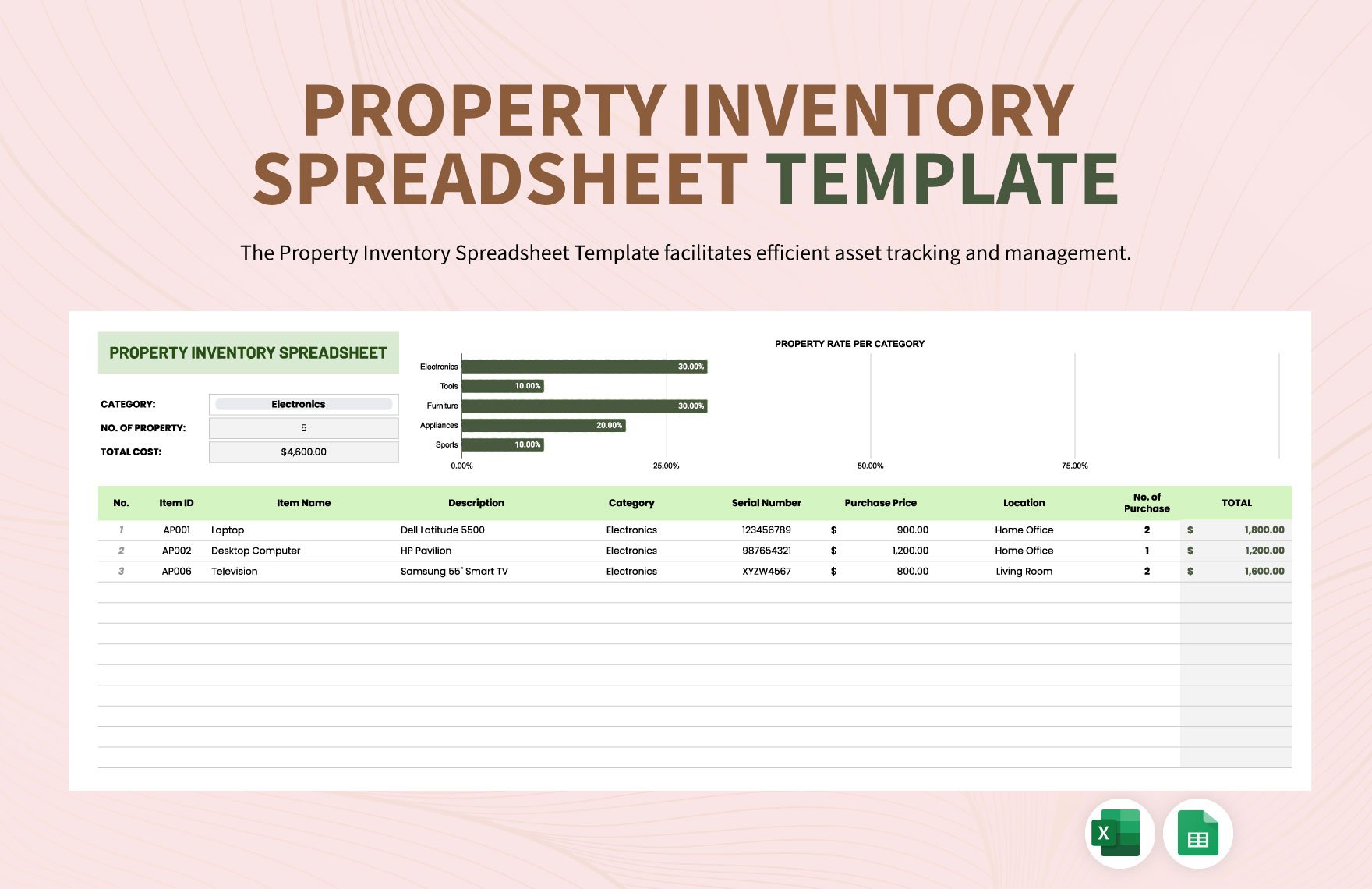
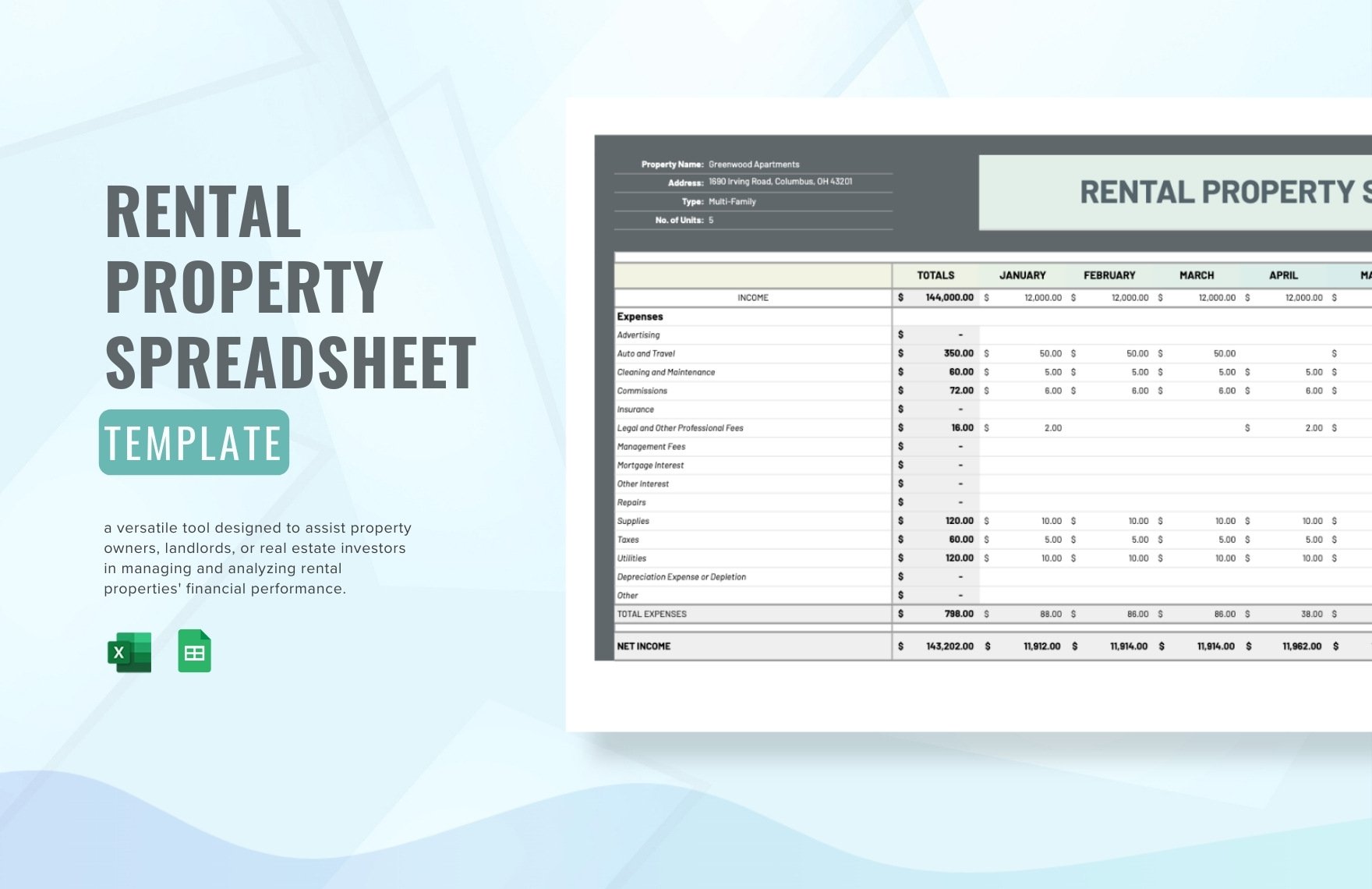
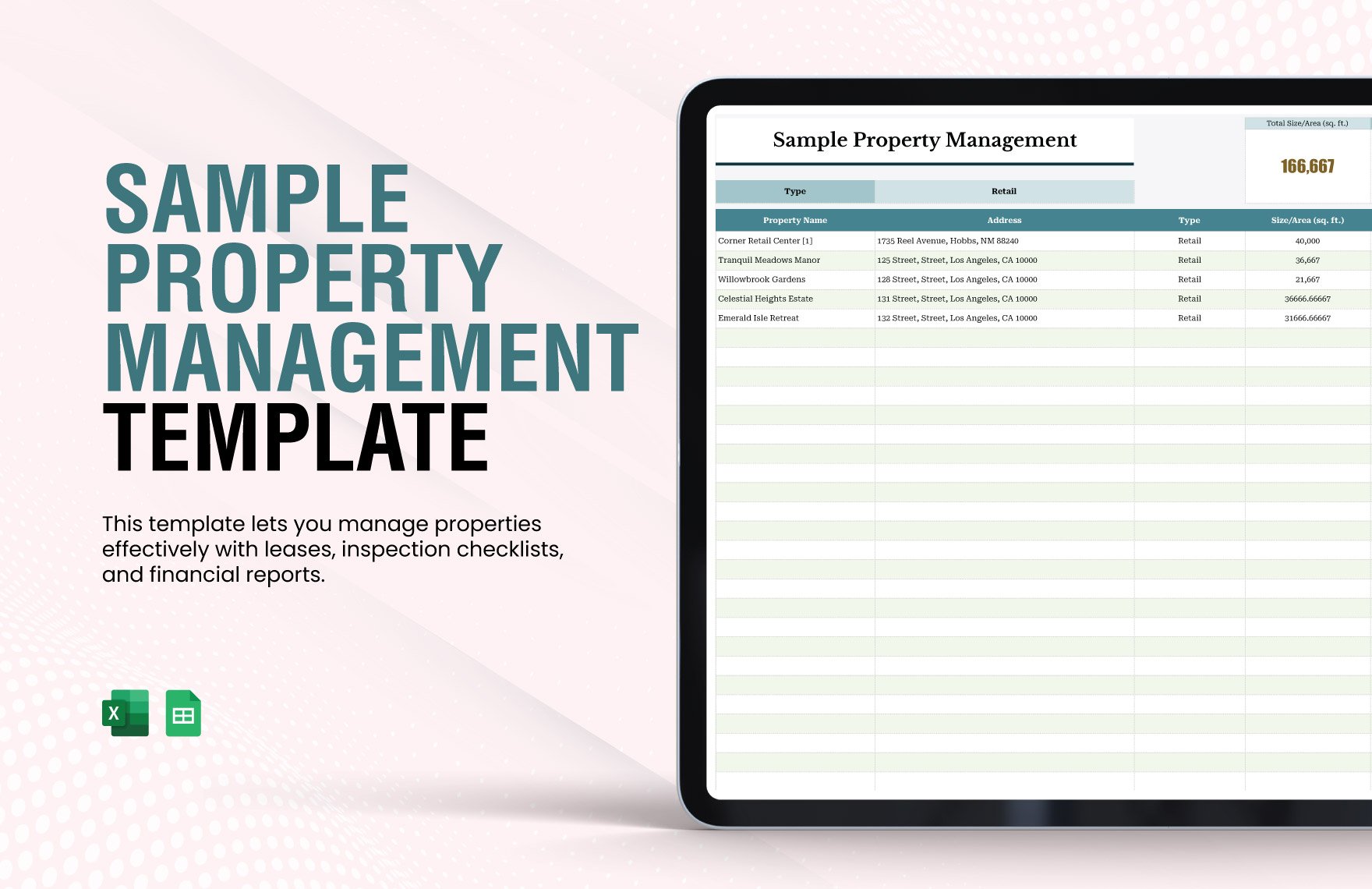
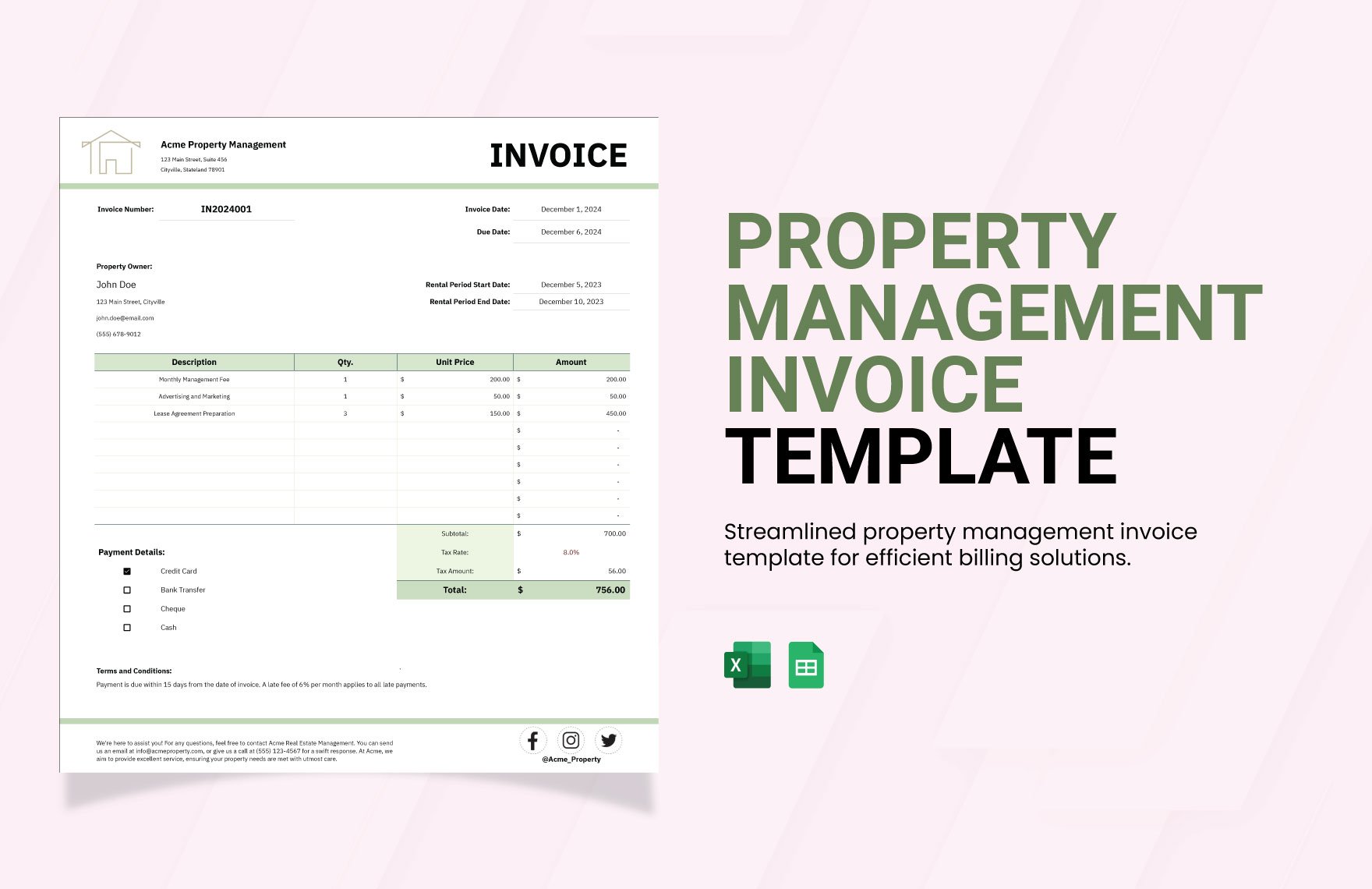
Financial operations should be separated into clear stages: charges, collection, reconciliation, reporting, and exception handling. The template can track rent due dates, payment status, outstanding balances, recurring charges, owner disbursements, operating expenses, and supporting documentation. A rent roll is particularly useful because it provides a unit-level view of tenants, lease dates, rental amounts, and occupancy information.
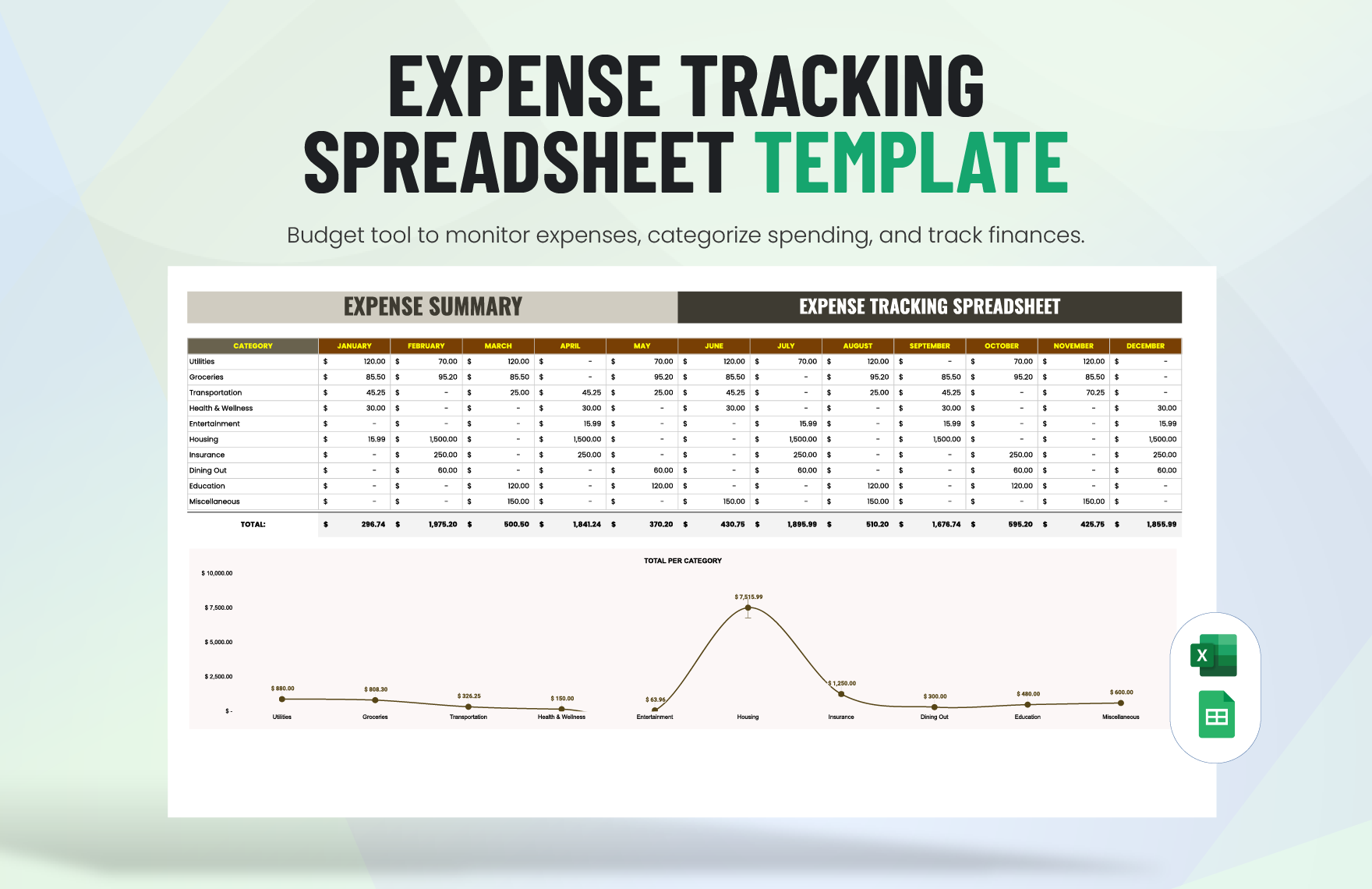
A useful property management operations template excel structure can include a property register, rent roll, payment ledger, expense register, maintenance log, vendor register, inspection schedule, and management dashboard. The important point is not the software brand or file format. The workbook should make relationships between records obvious and reduce duplicate data entry wherever practical.
For organizations that prefer cloud collaboration, a property management operations template google sheets structure can use separate tabs for properties, units, tenants, leases, payments, maintenance, vendors, inspections, and reporting. Access permissions should be considered carefully, especially when financial or personal information is stored. A shared spreadsheet is useful only when ownership, editing rules, version control, and backup practices are clearly defined.
Maintenance and work-order management
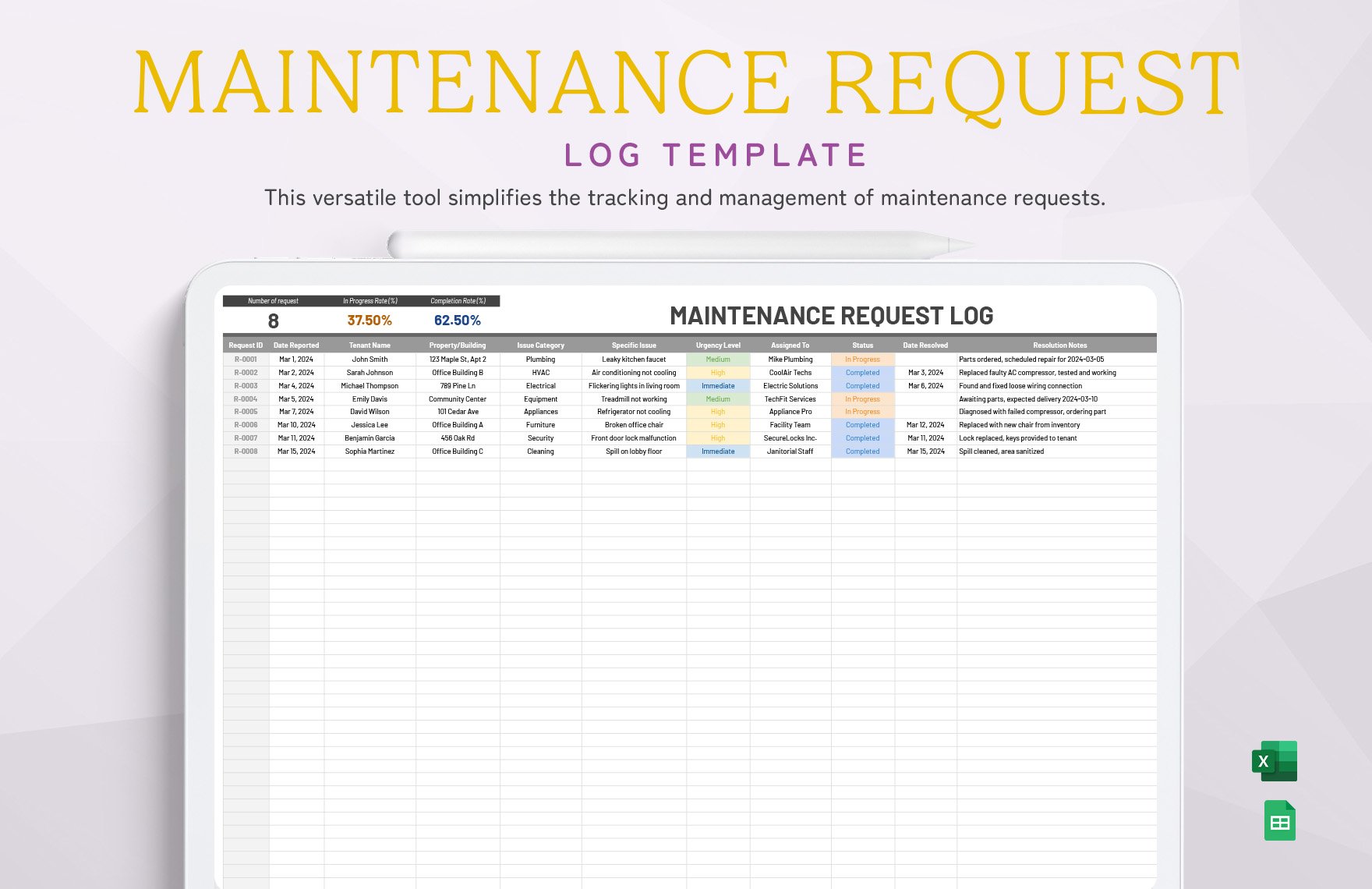
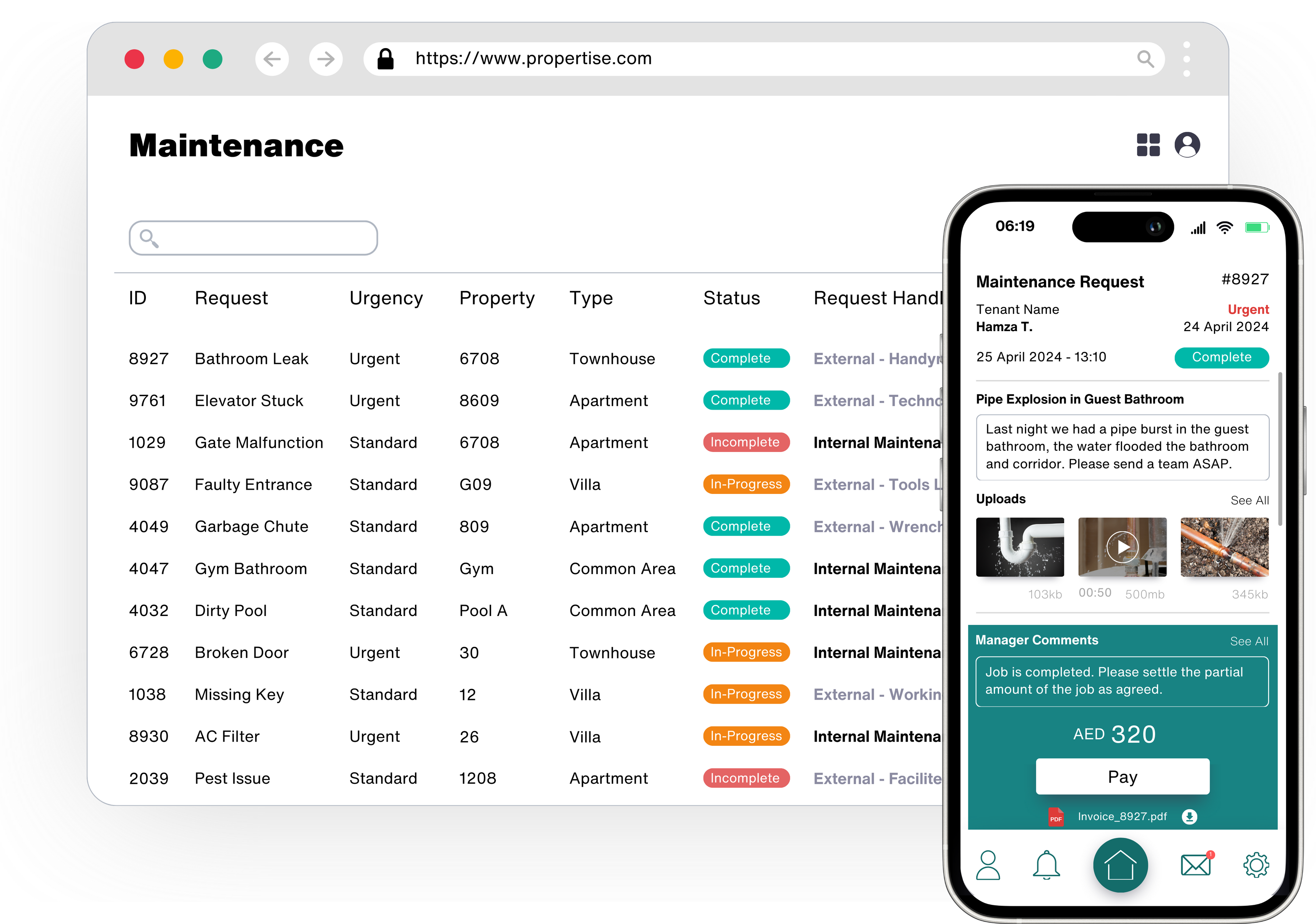
Maintenance is one of the most important operational areas because a request can move through several people before it is resolved. A good process starts with intake and classification. The manager should determine whether the request is routine, urgent, or an emergency under the organization’s defined criteria. The next steps should identify authorization, vendor assignment, tenant communication, scheduling, completion verification, invoice handling, and record closure.
The maintenance record should capture enough information to reconstruct what happened. Useful fields include request date, property, unit, issue description, priority, assigned vendor or staff member, authorization status, scheduled date, completion date, cost, invoice reference, and follow-up notes. Smartsheet’s maintenance-log example similarly separates the reported issue, action taken, repair date, labor cost, supply cost, and related payment information.
Preventive maintenance should sit alongside reactive repairs. A recurring schedule can assign inspections and servicing by week, month, quarter, season, or year. The exact schedule depends on the property and its systems, but the operational principle is consistent: assign the task, define the expected frequency, record completion, and create an escalation path for overdue or failed work.

Vendor coordination
Vendor management should include approved supplier information, service categories, contact details, insurance or licensing records where relevant, pricing arrangements, performance notes, and escalation contacts. The template should distinguish between a vendor being listed and a vendor being approved for a particular type of work. That distinction can matter when specialized repairs require qualified providers.
Work orders should connect vendor activity to the original tenant or property request. This creates a useful chain from problem identification to authorization, assignment, completion, invoice, and quality review. It also makes recurring issues easier to identify because managers can compare similar work across units and properties.
Vendor records should be reviewed periodically. A vendor who repeatedly misses appointments, submits unclear invoices, or produces inconsistent work may need additional supervision or replacement. Conversely, a reliable vendor with strong documentation can become an important part of the operating system.

Inspections, compliance and property condition
Inspection procedures should define why the inspection occurs, what is inspected, how findings are recorded, and what happens after an issue is identified. Common operational events include move-in inspections, move-out inspections, routine inspections, maintenance-related inspections, turnover inspections, and specialized building checks. The template should make the purpose clear so that staff do not use one checklist for every situation.
Inspection forms work best when they divide the property into logical areas. Exterior, interior, plumbing, electrical, HVAC, appliances, safety equipment, common areas, grounds, and documentation can each have their own checkpoints. A condition field can then be paired with comments and corrective actions. This creates a more useful record than a simple pass-or-fail mark.
Compliance should be handled carefully because requirements differ by location and property type. The operations manual can identify what needs monitoring, who owns the review, where evidence is stored, and when professional advice is required. It should not treat a generic template as a legal requirement. Smartsheet explicitly notes that generic property-management forms should be checked against applicable state and local rules before use. :contentReference[oaicite:6]{index=6}


Lease renewals, notices and turnover
Lease renewal procedures should begin well before the contractual end date. The workflow can include reviewing payment history, property condition, tenant status, market information, owner instructions, renewal terms, and required communications. Once a decision is made, the process should track the offer, response, agreement, documentation, and system updates.
A property management plan template can complement the operational template by defining broader objectives and measurable priorities, while the operations template explains how those objectives are executed. For example, the plan may establish an objective around reducing avoidable vacancy, while the operations workflow defines the renewal review date, inspection timing, marketing preparation, and turnover coordination.
When a tenant is leaving, the process should cover notice receipt, owner communication, pre-move-out instructions where appropriate, inspection, key return, outstanding charges, deposit accounting, maintenance, cleaning, re-leasing, and final record closure. A turnover checklist is particularly valuable because many tasks occur in a narrow window and depend on one another.

Choosing the right format for your workflow
A spreadsheet is often suitable when the portfolio is relatively small and the team needs flexibility. A well-structured rental property management template can combine property records, tenant information, rent tracking, maintenance, and expenses while remaining easy to adapt. The danger is uncontrolled complexity: once a workbook contains too many tabs, formulas, manual exceptions, and duplicated records, it can become harder to manage than a simpler system.
A document format is more suitable for procedures that explain how work should be performed. A property management operations template word structure can be useful for a written manual containing process descriptions, responsibilities, escalation rules, and standard instructions. A property management operations template google docs structure can provide similar benefits when multiple authorized team members need to review and maintain procedures collaboratively.
For formal records, printable forms, and procedures that need stable pagination, a property management operations template pdf can be useful as a reference format. It is better treated as a controlled output rather than the master operational database. If staff must update information frequently, maintaining structured source data separately can reduce version confusion.

How to build the operations template step by step
Start by mapping the property lifecycle before choosing colors, layouts, formulas, or document styling. Write down what actually happens from the moment a property enters management through leasing, occupancy, maintenance, renewal, move-out, and reporting. Interview the people who perform the work because informal steps are often missing from existing procedures. Current operations-manual guidance recommends involving the team and documenting processes as they are actually performed rather than creating an abstract manual in isolation. :contentReference[oaicite:7]{index=7}
Next, convert each major workflow into a consistent process record. A useful structure includes process name, trigger, objective, scope, numbered steps, responsible role, required records, tools, expected timeframe, quality checks, compliance considerations, escalation path, and completion evidence. This structure makes procedures easier to train, audit, revise, and compare across different properties.
Then create the supporting records. Leasing may need an application tracker and screening record. Rent administration may need a rent roll and payment ledger. Maintenance may need a request log, work order, vendor register, and preventive-maintenance schedule. Inspections may need condition checklists and corrective-action records. Turnover may need a move-out checklist and make-ready schedule. The goal is to ensure that each recurring process has a practical record that matches the written procedure.
Test the template with real scenarios
Before adopting the template as the standard, test it against realistic scenarios. Consider a new tenant moving in, a late payment, an urgent plumbing problem, a routine inspection finding, a lease approaching expiration, a tenant giving notice, and a unit requiring several repairs before re-leasing. Walk through each scenario from start to finish and identify where a staff member could become uncertain.
Testing often reveals missing fields and unclear ownership. A process may say who receives a request but not who closes it. A maintenance form may record a repair but not the approval threshold. A renewal tracker may record an expiration date but not the date on which the review should begin. These gaps are precisely what the operations template should expose before they create operational problems.
Once the workflow is tested, assign document ownership. One person or role should be responsible for controlled updates, while managers should have a clear method for proposing improvements. Version dates and revision notes can help staff recognize which procedure is current, particularly when the same process is used across multiple properties.
Using metrics to improve operations
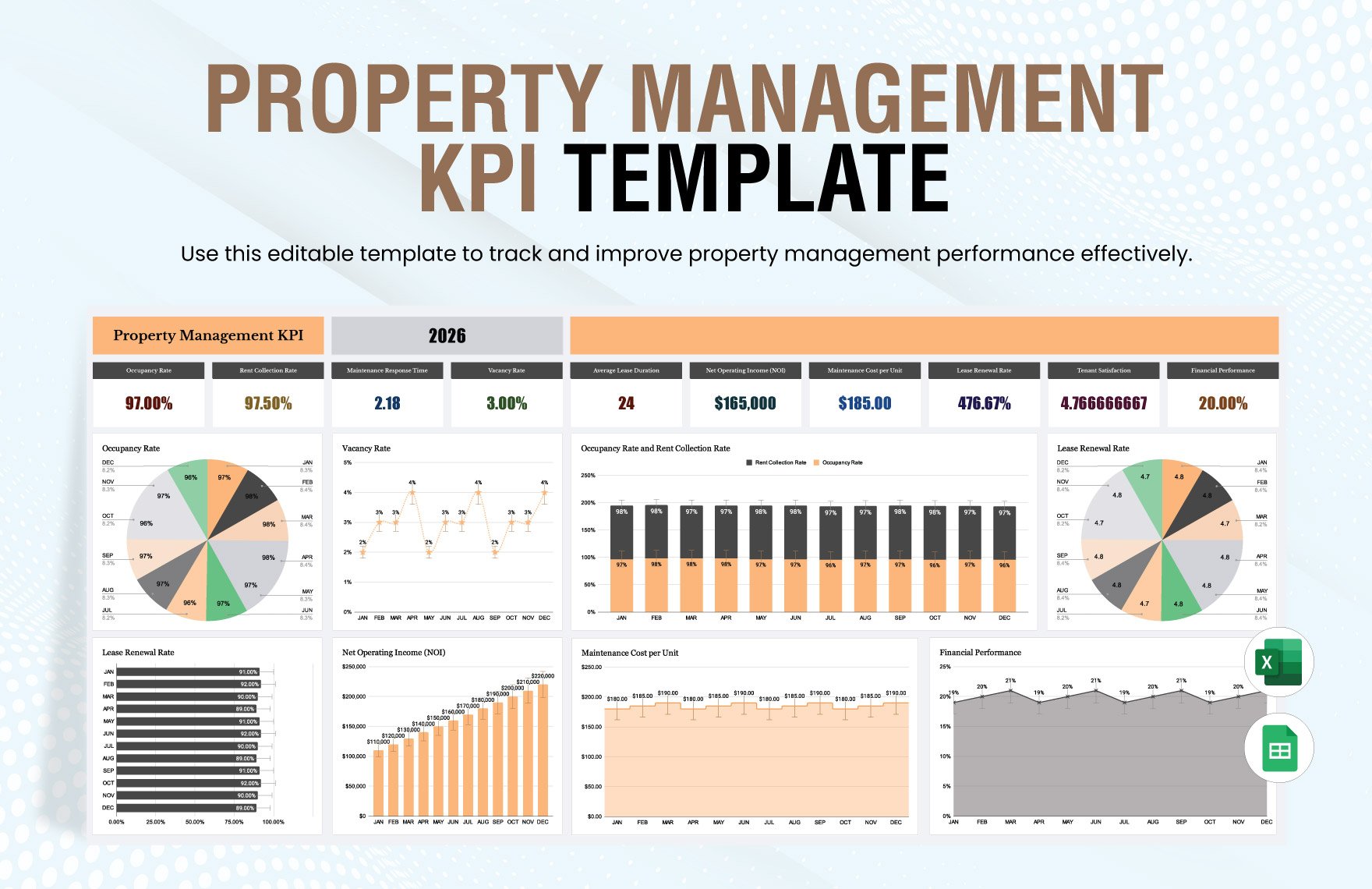
Metrics should measure whether the process is working, not simply how much activity the team completes. Useful measures may include occupancy, rent collection performance, overdue balances, open maintenance requests, average time to close work orders, recurring maintenance issues, inspection completion, lease renewal activity, vacancy duration, and owner-report delivery timeliness.
A KPI dashboard can also expose relationships between processes. For example, recurring maintenance issues may indicate a preventive-maintenance problem rather than isolated tenant requests. Increasing vacancy may point toward delayed turnover, late renewal decisions, or marketing bottlenecks. A good dashboard encourages managers to investigate causes rather than merely record outcomes.
Metrics should be interpreted in context. A high number of maintenance requests is not automatically evidence of poor management; an older building may naturally require more work. Likewise, a low vacancy figure does not prove that the leasing process is healthy if maintenance backlogs are growing. The template should therefore combine numerical indicators with comments, exceptions, and corrective actions.

Common mistakes to avoid
The first mistake is creating a template that documents everything but guides nothing. Long lists of fields can create the appearance of control while leaving staff uncertain about sequence and responsibility. Each important process should answer five basic questions: what triggers it, what happens next, who owns it, what evidence is required, and how completion is confirmed.
The second mistake is copying a generic form without adapting it. Templates are useful starting points, but properties differ in systems, service expectations, ownership arrangements, staffing, and local requirements. Generic forms should therefore be reviewed against the actual property and applicable rules before they become operational standards.
The third mistake is failing to connect related workflows. A move-out record should feed turnover planning. A maintenance request should connect to a work order and invoice. A lease renewal decision should update the lease schedule. An inspection finding should generate a corrective action when necessary. The more logically these records connect, the less likely important information is lost between processes.
Practical Solution
The most practical way to implement a property management operations Template is to build a small operating system rather than one oversized document. Start with a master property register, then create separate operational sections for leasing, tenant records, rent, maintenance, inspections, vendors, renewals, turnover, reporting, and emergencies. Give every section a clearly defined owner and use consistent status values such as pending, in progress, completed, blocked, and escalated.
Next, connect the recurring workflows to a calendar or task schedule. Define when inspections occur, when renewal reviews begin, when owner reports are prepared, when preventive maintenance is due, and when compliance records need review. Use the operations manual to explain the procedure and the working registers to record actual activity. This separation keeps instructions readable while preserving structured operational data.
Finally, review the system on a regular cadence. Look at overdue tasks, recurring maintenance problems, missed follow-ups, tenant complaints, reporting delays, and process exceptions. Update the relevant procedure instead of simply reminding staff to “be more careful.” If a process repeatedly fails at the same point, the template should be redesigned so the correct action becomes easier and more visible.
A practical starting package can therefore contain a written operations manual, property register, tenant and lease register, rent roll, maintenance request log, work-order tracker, vendor list, inspection checklist, renewal tracker, turnover checklist, financial reporting structure, and emergency contact procedure. This modular approach scales better than trying to make one worksheet or document perform every function.
Property management operations manual structure
A property management operations manual should explain the standards behind the working templates. A useful structure can begin with purpose and scope, followed by organizational roles, property onboarding, leasing, tenant onboarding, rent administration, maintenance, inspections, renewals, move-out, turnover, vendor management, financial controls, communication, compliance, emergency procedures, document management, and review responsibilities.
Each procedure should use a repeatable writing pattern. Start with the trigger, explain the desired outcome, list the steps in order, name the responsible role, identify the systems or records used, define the expected timeframe, and state the escalation rule. This makes the manual easier to scan and reduces ambiguity during staff training or handoffs.
Templates should be treated as extensions of the manual. Current guidance specifically recommends creating corresponding templates for processes that require written communication or documentation, including inspection reports, arrears communications, owner updates, maintenance work orders, and tenant communications. :contentReference[oaicite:8]{index=8} The manual tells staff what to do; the template gives them a consistent way to record or execute it.

Reference Examples
A property management operations Template is easiest to evaluate when its structure can be compared with real operational records. The examples below illustrate the kinds of forms, checklists, schedules, logs, and dashboards that can support a property management workflow. Some focus on a single activity, such as maintenance or turnover, while others combine several operational categories. The important characteristic is that each visual turns a recurring responsibility into a recognizable record with defined fields, statuses, dates, or checkpoints.
These references also show why a strong property management operations Template should be modular. A maintenance request log serves a different purpose from a rent receipt, while an inspection checklist serves a different purpose from a lease schedule. Used together, these records can form a coherent operating framework. When reviewing any example, pay particular attention to whether the fields capture the information your team actually needs, whether responsibility is clear, and whether the record can be connected to the next step in the property-management process.

Rental Turnover Checklist Template
Source: Property Meld

Tenant Move-Out Inspection Template
Source: Xenia

Preventive Maintenance Plan Template
Source: Shooters Journal

Make-Ready Apartment Inspection Checklist
Source: Adara Communities

Weekly Property Inspection Checklist
Source: The Pinnacle Group LLC

Monthly Preventive Maintenance Report Template
Source: TemplateRoller

Rental Property Maintenance Checklist Template
Source: Fit Small Business

Tenant Welcome Letter Template
Source: Letterin

Rent Receipt Template
Source: Canva
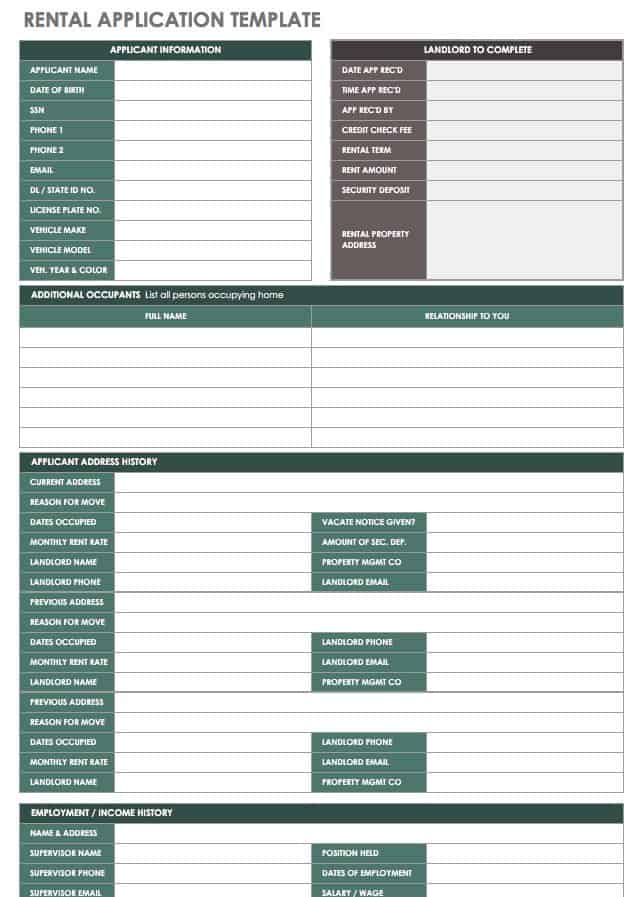
Rental Application Template Form
Source: Smartsheet
