A seller financing offer Template is most useful when it does more than present a price. It should show the seller exactly how much the buyer will pay at closing, how much the seller will finance, the interest rate, payment schedule, maturity date, security for the debt, and the conditions that must be satisfied before closing. In a seller-financed transaction, the seller is effectively providing credit to the buyer, so the offer needs to communicate both the economics of the purchase and the protections surrounding repayment.
Searchers looking for a seller financing offer template real estate are usually trying to solve a practical problem: they need a clear way to propose owner financing without confusing the purchase offer with the later loan documents. A good offer can establish the business terms, while the purchase agreement, promissory note, mortgage or deed of trust, disclosures, and closing documents create the legally operative transaction. Keeping those functions separate makes negotiations easier and reduces the chance that an important financing term is omitted.
The most useful template therefore works as a negotiation framework rather than a substitute for transaction-specific legal drafting. Federal lending rules, state property law, recording requirements, tax treatment, existing liens, and the seller’s circumstances can all affect the final structure. The Consumer Financial Protection Bureau has specific rules addressing certain seller-financing transactions, while the IRS treats qualifying transactions as installment sales under applicable circumstances. Those rules make professional review particularly important before anyone signs a final agreement.
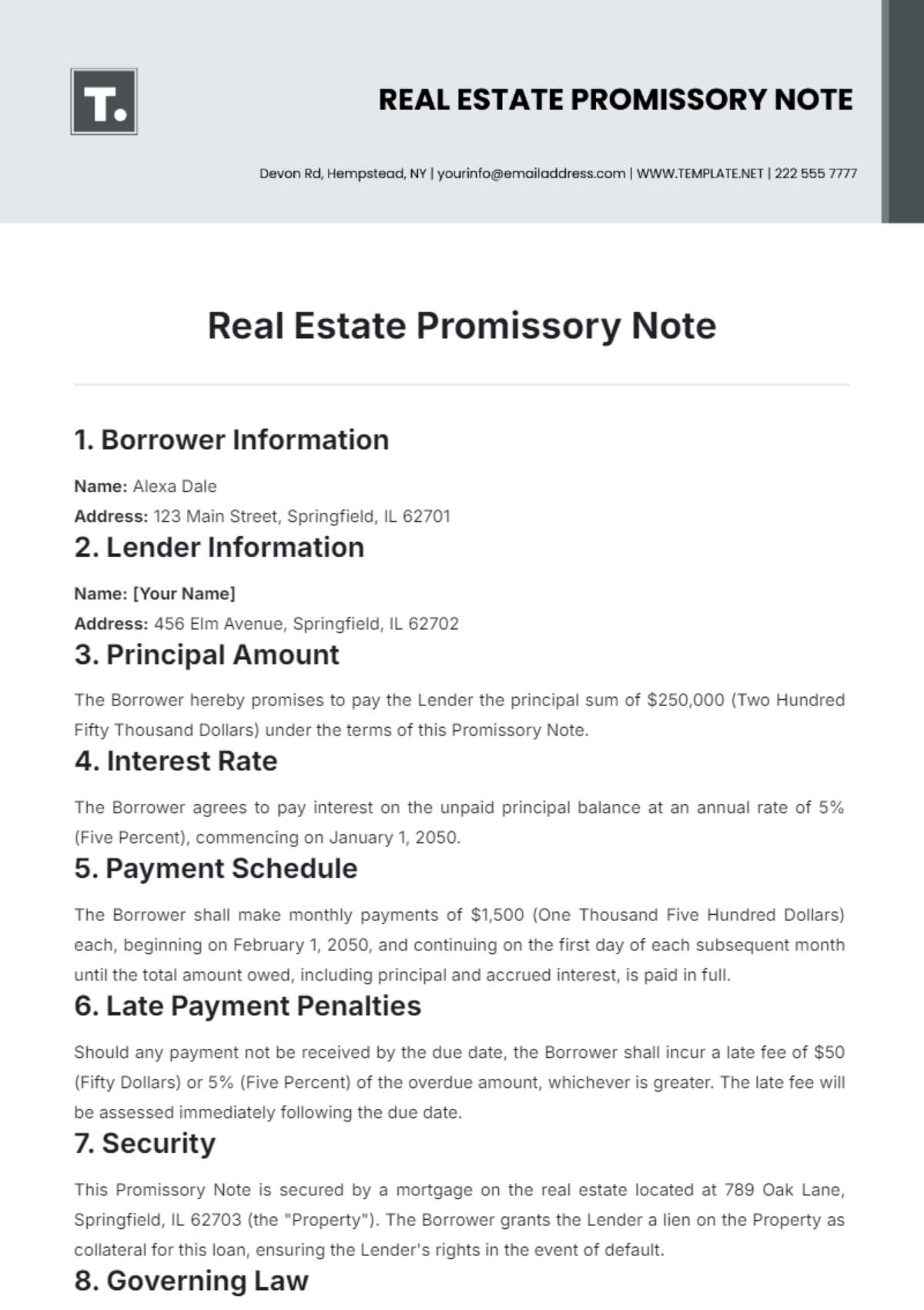
What a seller financing offer should accomplish
A seller financing offer should make the proposed transaction understandable at a glance. The seller should be able to identify the purchase price, proposed down payment, financed balance, interest rate, payment amount or calculation method, loan term, and any balloon payment without having to infer the terms from scattered clauses. The buyer should likewise understand exactly what financial obligation is being proposed and what conditions could change the transaction before closing.
The offer also establishes the difference between a purchase transaction and a financing transaction. The purchase side covers the property, price, title, inspections, possession, closing date, and contingencies. The financing side covers the debt created when the seller carries part of the purchase price. Those two pieces should fit together, but they should not be written as though they are identical documents. A purchase offer may be accepted first, followed by formal preparation of the note and security instrument.
Another important purpose is risk allocation. A seller may want a substantial down payment, a fixed interest rate, a shorter maturity, a strong default provision, proof of insurance, and a recorded lien. A buyer may prioritize a lower initial payment, a longer amortization period, no prepayment penalty, and a reasonable opportunity to refinance before a balloon payment. The offer provides a structured place to negotiate those competing interests before the transaction moves toward formal closing documents.
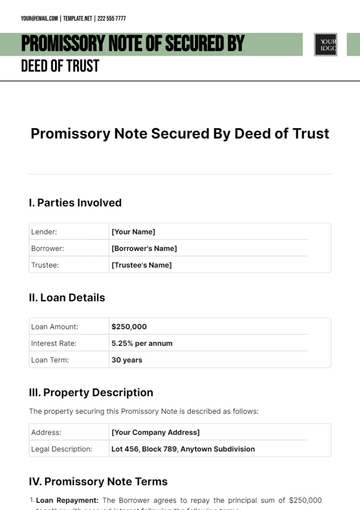
Core sections to include in the template
Parties and property
Start by identifying the seller and buyer using their legal names and appropriate contact information. The property should be identified by street address and, where appropriate, parcel information and the legal description. If the seller owns the property through an entity, the entity and signing authority should be identified correctly. If there are multiple owners, the offer should account for every required seller signature.
Property identification matters because seller financing is normally secured by the real estate being sold. The final security instrument must describe the collateral accurately enough to be recorded and enforced under applicable state law. A simple offer can use the property address while stating that the final documents will contain the complete legal description, but the parties should not assume that an informal description is sufficient for closing.
The offer should also disclose known existing financing or liens that could affect the structure. If the seller still has a mortgage, the parties need to determine whether it will be paid off, assumed with lender approval, or otherwise addressed. A seller-financed arrangement involving an existing loan can raise additional contractual and lender-consent issues, so it should never be treated as merely a private agreement between buyer and seller.
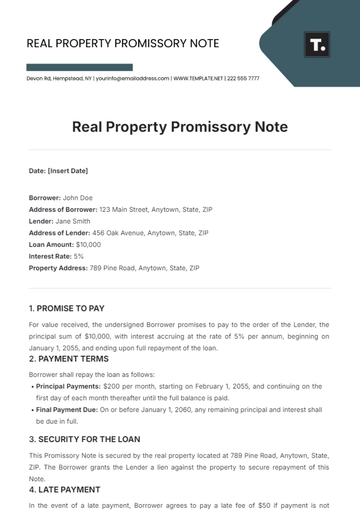
Purchase price and down payment
The purchase price should be stated as a definite amount, followed by the proposed down payment and the resulting seller-financed principal. For example, a hypothetical property might have a purchase price of $500,000 and a proposed down payment of $100,000, leaving a seller-financed balance of $400,000. Those figures are illustrative only; the right amounts depend on the property, buyer, seller, valuation, and negotiated risk.
It is useful to state whether the down payment is due at closing, whether earnest money is credited toward it, and what happens to the deposit if the transaction does not close. The offer can also specify whether the seller financing is contingent upon receiving satisfactory financial information from the buyer. This gives the seller a defined point at which to evaluate repayment capacity instead of accepting a financing obligation without meaningful underwriting.
A well-structured offer should avoid ambiguity between the purchase price and the financed amount. If the buyer proposes seller-paid closing costs, credits, repairs, or other concessions, those amounts should be identified separately. Otherwise, the parties may disagree later about how much principal the seller is actually financing or whether a concession changes the economic terms of the deal.
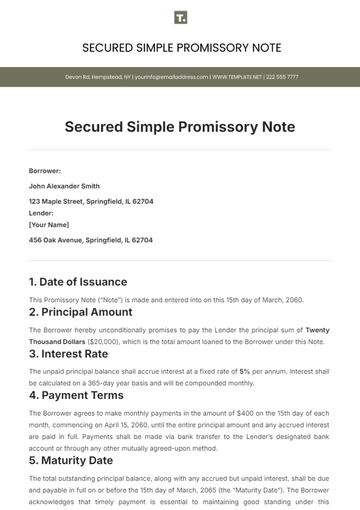
Interest rate and repayment structure
The interest rate is one of the most important economic terms in a seller financing offer. State the rate as an annual percentage and specify whether it is fixed or adjustable. If the rate can change, the offer should identify the index, margin, adjustment dates, caps, floors, and other mechanics rather than simply saying that the rate is variable.
The repayment structure should identify the frequency of payments and how each payment is calculated. Monthly principal-and-interest payments are common, but an interest-only period, graduated payment structure, or other arrangement may be negotiated. The parties should understand the resulting payment amount and how quickly principal declines. A repayment schedule should never be described only as “monthly payments” without identifying how the amount will be determined.
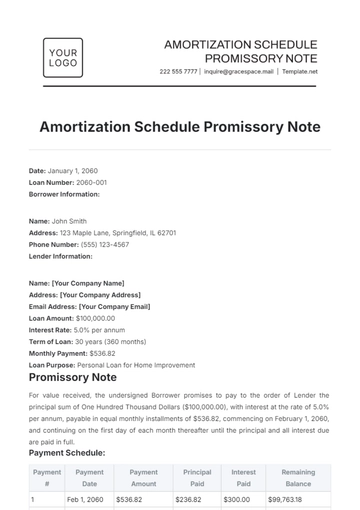
Balloon financing deserves special attention. A loan can have a long amortization period but a much earlier maturity date, creating a large final payment. For example, a hypothetical $400,000 seller note could be amortized over 30 years while becoming due after five years. That structure may produce a lower monthly payment but creates substantial refinancing risk at maturity. The offer should state the balloon date clearly rather than leaving it buried in later documents.
How to do seller financing from offer to closing
Understanding how to do seller financing starts with treating it as a transaction that combines a property sale with a credit arrangement. The first stage is negotiation. The buyer presents the proposed price and financing terms, and the seller evaluates whether the proposed return and risk are acceptable. The seller should consider the buyer’s financial capacity, the property value, the existing debt position, and the proposed security.
The second stage is documentation and due diligence. Once the business terms are acceptable, the parties generally move toward a purchase agreement containing the negotiated financing provisions. The buyer’s financial information may be reviewed, title is examined, insurance requirements are established, and the parties determine the appropriate note and security documents. Depending on the transaction, a title company, escrow holder, attorney, or other qualified professional may coordinate these steps.
The third stage is closing and servicing. At closing, the buyer provides the agreed cash contribution and signs the financing documents. The seller receives the note and the security interest is established according to the applicable state procedure. After closing, payments must be tracked accurately, taxes and insurance must be handled according to the agreement, and both parties should retain complete records. The IRS states that qualifying installment sales can involve reporting gain over time as payments are received, while interest generally has separate tax treatment.
Step 1: Negotiate the offer
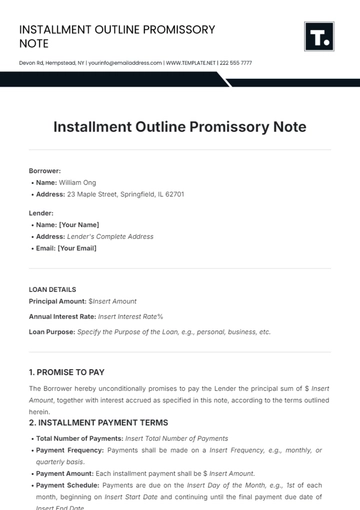
Begin with the purchase price, down payment, financed amount, interest rate, payment frequency, amortization period, maturity date, and closing date. Add important commercial terms such as who pays closing costs, who maintains insurance, who pays property taxes, and whether the buyer may prepay without penalty. These terms should be agreed in plain language before the final legal documents are prepared.
Step 2: Evaluate the buyer
Seller financing does not eliminate underwriting. The seller is taking repayment risk, so the seller should evaluate income, assets, debts, credit history, available cash, and the buyer’s intended source of repayment. For certain seller-financing arrangements involving residential property, federal rules address reasonable ability to repay and impose conditions on qualifying seller financers. The CFPB’s current regulation distinguishes, among other situations, transactions involving one property in a 12-month period from transactions involving up to three properties under specified conditions.
Step 3: Confirm title and existing debt
Before closing, verify ownership, recorded liens, taxes, assessments, restrictions, and existing mortgages. The seller should not assume that an existing loan can simply remain in place after a sale. The underlying loan documents may contain provisions triggered by a transfer. A title professional and attorney can help determine the correct path.
Step 4: Prepare the financing documents
The final documentation normally goes beyond the initial offer. Depending on the structure and jurisdiction, the transaction may involve a purchase agreement, seller-financing addendum, promissory note, mortgage or deed of trust, disclosure forms, escrow instructions, insurance requirements, and other closing documents. A seller financing contract template can help organize concepts, but it should not be assumed to contain every clause required for a particular state or transaction.
Offer template versus contract and financing agreement
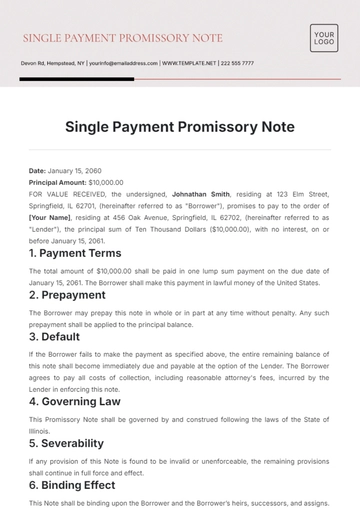
An offer template is primarily a negotiation instrument. It tells the seller what the buyer is proposing. Once accepted, the transaction usually requires more complete contractual documentation. This distinction matters because a short offer may mention a rate and payment term without addressing default remedies, insurance, taxes, recording, notices, transfer restrictions, or other provisions that become important after closing.
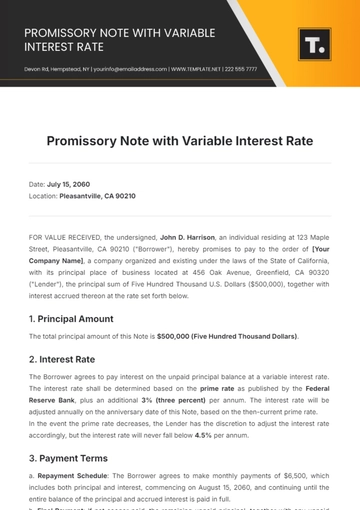
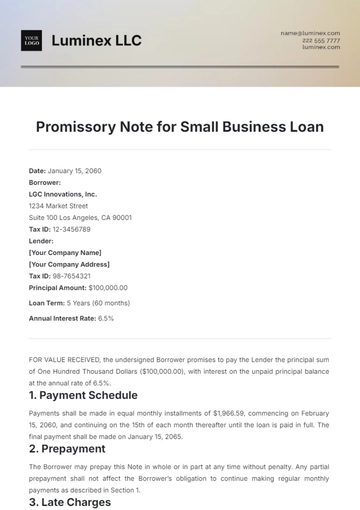
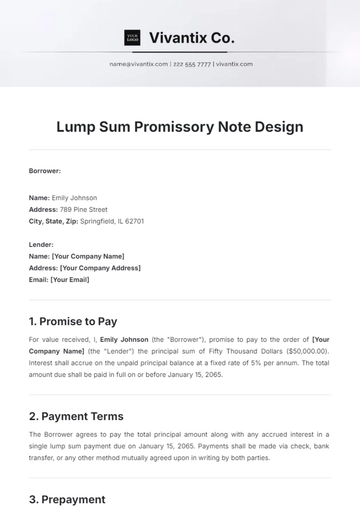
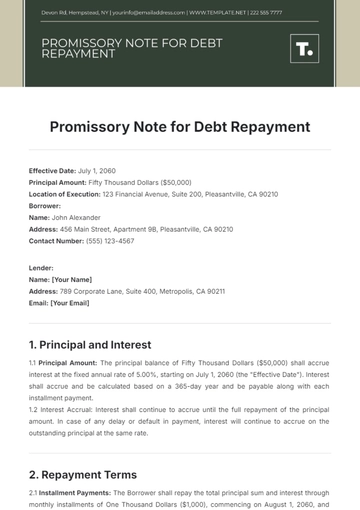
Someone searching for a seller financing contract template is therefore looking for something different from a simple offer sheet. The contract should connect the purchase obligation with the financing obligation and specify what happens if the buyer does not pay. A promissory note establishes the debt, while the mortgage or deed of trust generally provides the security mechanism over the real estate, subject to state law.
A seller finance contract template may use different terminology depending on the jurisdiction. Some transactions use a purchase-money mortgage, while others use a deed of trust or a contract for deed. These structures are not interchangeable in every state. The legal effect of retaining title, transferring title at closing, recording a lien, and enforcing a default can differ substantially, which is why a generic form should be treated as a starting point rather than a universal legal instrument.
Choosing the right document format
People often search for a seller financing offer template pdf because a fixed-layout document is convenient for reviewing proposed terms. Others look for a seller financing offer template word when they want a document that can be edited during negotiation. The important consideration is not the file format itself but whether the underlying language accurately reflects the deal and can be reviewed by the appropriate professionals.
A search for a seller financing offer template free may return generic forms, sample agreements, or promotional pages. Cost alone is not a useful measure of suitability. A document that omits a critical state-law provision can be more expensive to correct later than a properly prepared transaction document reviewed at the outset.
Likewise, the phrase seller financing offer template free download can lead readers toward documents designed for a different state, property type, or financing structure. Before using any form, compare its assumptions with the actual transaction. Check whether it addresses residential or commercial property, whether it assumes a mortgage or deed of trust, whether it includes a balloon payment, and whether its default and notice provisions fit the intended arrangement.
Key protections for the seller
Seller protection begins with realistic underwriting. A large down payment can reduce the seller’s exposure, but the seller should also assess whether the buyer has dependable resources for ongoing payments. The seller should understand the property value independently rather than relying solely on the purchase price. An appraisal or other valuation evidence may be appropriate for higher-risk transactions.
The financing documents should clearly define default. Examples include failure to make a payment, failure to maintain required insurance, failure to pay taxes, unauthorized transfer of the property, or another specified breach. The remedy language should be consistent with applicable law. The seller should not assume that a contract can simply declare the entire balance immediately due or allow the seller to take possession without following required procedures.
Insurance is another important protection. The offer can state that the buyer must maintain required property and liability coverage and identify how evidence of insurance will be delivered. If the seller’s financing is secured by the property, the agreement should explain what happens if insurance lapses. Taxes, assessments, repairs, maintenance, and casualty losses should likewise be assigned clearly.
Important protections for the buyer
The buyer should focus on payment certainty and clarity. A fixed rate can make budgeting easier than an adjustable structure. If the financing is adjustable, the buyer should understand exactly when changes can occur and what limits apply. The buyer should also know the total expected payment, maturity date, and any circumstances that could cause the balance to become due earlier.
Prepayment rights can be significant. A buyer who expects to refinance or sell the property may want the ability to repay the seller without a penalty. The offer should state whether partial and full prepayment are allowed and how accrued interest is handled. A clear prepayment clause avoids later disputes over whether an early payoff is permitted.
The buyer should also confirm that the seller has authority to provide the financing and that the property can be transferred as proposed. Title review, lien searches, insurance checks, and examination of existing loan documents can reveal problems before money changes hands. The goal is not simply to obtain favorable financing terms but to ensure that the financing is attached to a clean and enforceable property transaction.
California considerations
Readers searching for a seller financing offer template california should pay particular attention to state-specific disclosure and documentation requirements. California’s Department of Real Estate explains that seller financing can involve a seller carry-back, commonly structured with a promissory note secured by a deed of trust. California also has a seller-financing disclosure law for certain residential transactions involving dwellings of not more than four units when specified financing conditions apply.
The California disclosure framework is important because a generic national form may not contain the disclosures required for a particular transaction. The California Department of Real Estate describes circumstances involving a written financing agreement with a finance charge or more than four payments of principal and interest, or interest-only payments, subject to statutory exemptions. The person arranging credit may have responsibilities under the applicable disclosure law.
That does not mean every California seller-financed transaction uses one identical form. Property type, party roles, exemptions, existing liens, and transaction structure can change the documentation. A California transaction should therefore be reviewed against current state requirements rather than relying on a form labeled for California merely because the state name appears in its title.
Florida considerations
Readers searching for a seller financing offer template florida should likewise avoid assuming that a national form automatically reflects Florida law. Florida statutes address mortgages, recording, and purchase-money financing in ways that can affect how a seller-financed transaction is structured and secured. Florida law provides, for example, that certain instruments intended to secure payment of money can be treated as mortgages and subject to mortgage rules.
Florida’s mortgage-lending statutes also contain an exemption for a person acting as the seller of their own real property who receives one or more mortgages in a purchase-money transaction. That is different from saying that every seller-financed transaction is exempt from every federal or state requirement. The structure, frequency of transactions, property type, and role of the parties can all matter.
Florida recording law is also important because the parties need to understand how conveyances and mortgages are made effective against creditors and later purchasers. The final documents should be prepared and recorded according to the applicable county and state requirements. A Florida attorney or qualified closing professional can determine which instruments should be recorded and how the financing should be documented.
Tax treatment and installment-sale considerations
Seller financing can change the timing of tax recognition for a qualifying installment sale. The IRS explains that an installment sale generally involves receiving at least one payment after the tax year of the sale. When the transaction qualifies, the installment method can allow part of the gain to be reported as payments are received, subject to the applicable rules and any election out of installment treatment.
The seller should distinguish principal from interest when evaluating the economics of the transaction. IRS guidance explains that payments on an installment sale can contain interest income, return of adjusted basis, and gain. Interest generally has separate reporting treatment, and inadequate stated interest can create additional tax considerations involving applicable federal rates and unstated interest rules.
The tax outcome depends on the seller’s basis, property type, depreciation history, existing debt, selling expenses, payment structure, and other facts. A seller should therefore have a tax professional evaluate the transaction before finalizing the financing terms. The payment structure that looks attractive from a cash-flow perspective may produce a different tax result than expected.
Example of a seller-financing offer structure
An example of seller financing agreement can illustrate the relationship between the major terms without pretending to be a legally complete document. Suppose, purely as a hypothetical example, that a property is offered for $500,000. The buyer proposes $100,000 at closing and asks the seller to finance $400,000 at a fixed 6 percent annual interest rate.
The hypothetical proposal could specify monthly principal-and-interest payments calculated on a 30-year amortization schedule, with the unpaid balance becoming due after five years. The offer could also require the buyer to maintain property insurance, pay taxes and assessments, permit the seller to verify insurance coverage, and execute a promissory note secured by an appropriate real-property instrument.
The seller could respond by changing the down payment, rate, maturity, or balloon structure. For example, the seller might prefer a larger down payment to reduce principal exposure or a shorter maturity to recover capital sooner. The important lesson is that the offer creates a transparent negotiating framework. The figures are hypothetical and should not be treated as a recommended rate or term for an actual transaction.
Common mistakes when preparing a seller financing offer
One common mistake is focusing entirely on the interest rate. A seller may accept a high rate but create an arrangement with weak repayment protection, an unrealistic balloon date, or inadequate buyer underwriting. A buyer may negotiate a low payment but fail to consider the size of the final maturity payment. The entire financing structure should be evaluated rather than one attractive number.
Another mistake is failing to distinguish an offer from the final legal documents. A short template can summarize commercial terms, but it may not address every issue necessary for closing. The final note, security instrument, purchase agreement, disclosures, escrow instructions, and related documents should be consistent with one another.
A third mistake is ignoring state and federal requirements. Seller financing can implicate consumer-credit rules, real estate laws, recording statutes, disclosure requirements, tax rules, and lender restrictions. The CFPB’s seller-financer provisions and the IRS installment-sale rules demonstrate why the transaction should be evaluated according to its actual facts rather than treated as an ordinary cash sale.
Practical Solution
The most practical way to use a seller financing offer template is to build the proposal in layers. First, write a one-page business summary containing the property, purchase price, down payment, seller-financed principal, interest rate, payment frequency, amortization period, maturity date, and closing date. Second, add the key conditions that must be satisfied before closing, including title review, buyer financial review, insurance, inspection, and confirmation of the seller’s authority to finance the sale.
Third, have the agreed commercial terms translated into the formal documents required for the transaction. The offer should not contradict the purchase agreement, promissory note, mortgage or deed of trust, or applicable disclosures. If the parties negotiate a change, update every document that depends on that term. A simple document-control checklist can prevent a situation where the offer says one interest rate while the note contains another.
Finally, treat closing as the beginning of the financing relationship rather than the end of the paperwork. Establish a reliable payment record, retain copies of all signed documents, monitor insurance and tax obligations, and keep a clear record of principal and interest. Sellers should understand how payments will be serviced and reported, while buyers should retain evidence of every payment. For transactions involving meaningful sums or residential consumer credit, professional legal and tax review is a prudent part of the workflow.
A strong template is therefore not the shortest possible document. It is the document that makes the economics unmistakable, identifies the risks that need attention, and provides a clean bridge from negotiation to legally operative closing documents. The best version is adapted to the property, parties, state, financing structure, and intended repayment plan.
Reference Examples
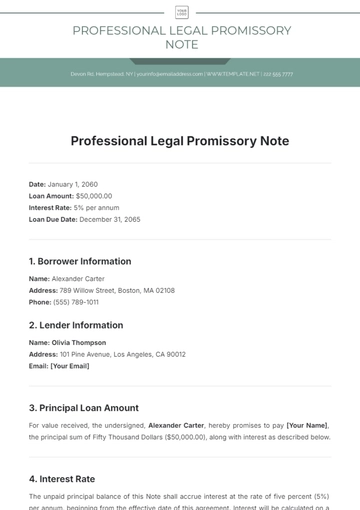
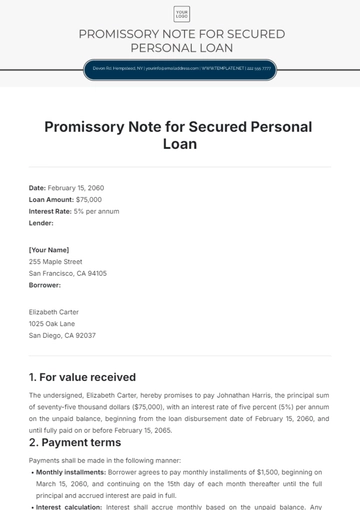
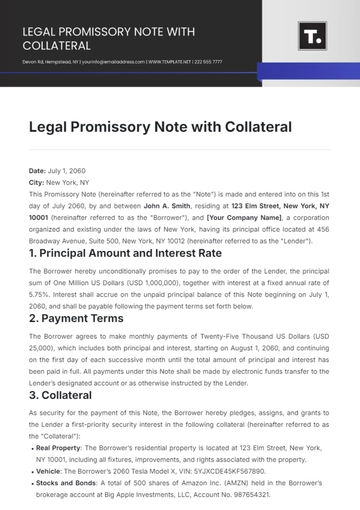
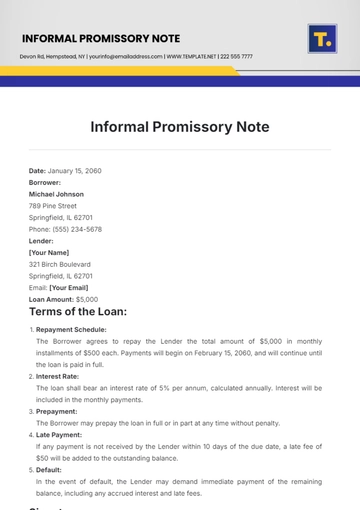
A seller financing offer template becomes easier to evaluate when readers can see how financing terms are organized in actual document layouts. Useful references typically show where the parties, property, purchase price, down payment, interest rate, payment schedule, maturity date, collateral, default provisions, and signatures fit into a structured document. The examples below are visual references rather than transaction-specific legal forms for a particular property or state. They illustrate the kinds of documents and financing components that may appear in a seller-financed real estate transaction.
These visual references also help distinguish an initial offer from supporting financing documents. A purchase agreement may summarize the seller-financing arrangement, while a promissory note establishes the payment obligation and a mortgage or deed of trust can secure that obligation against the property. Comparing layouts can help readers recognize missing information, understand the relationship between documents, and identify areas that deserve professional review before an actual transaction is signed or closed.

Owner Financing Agreement
Source: airSlate SignNow

Real Estate Purchase Agreement with Seller Financing
Source: Documentof

Seller Financing Supplement
Source: Oklahoma Real Estate Commission
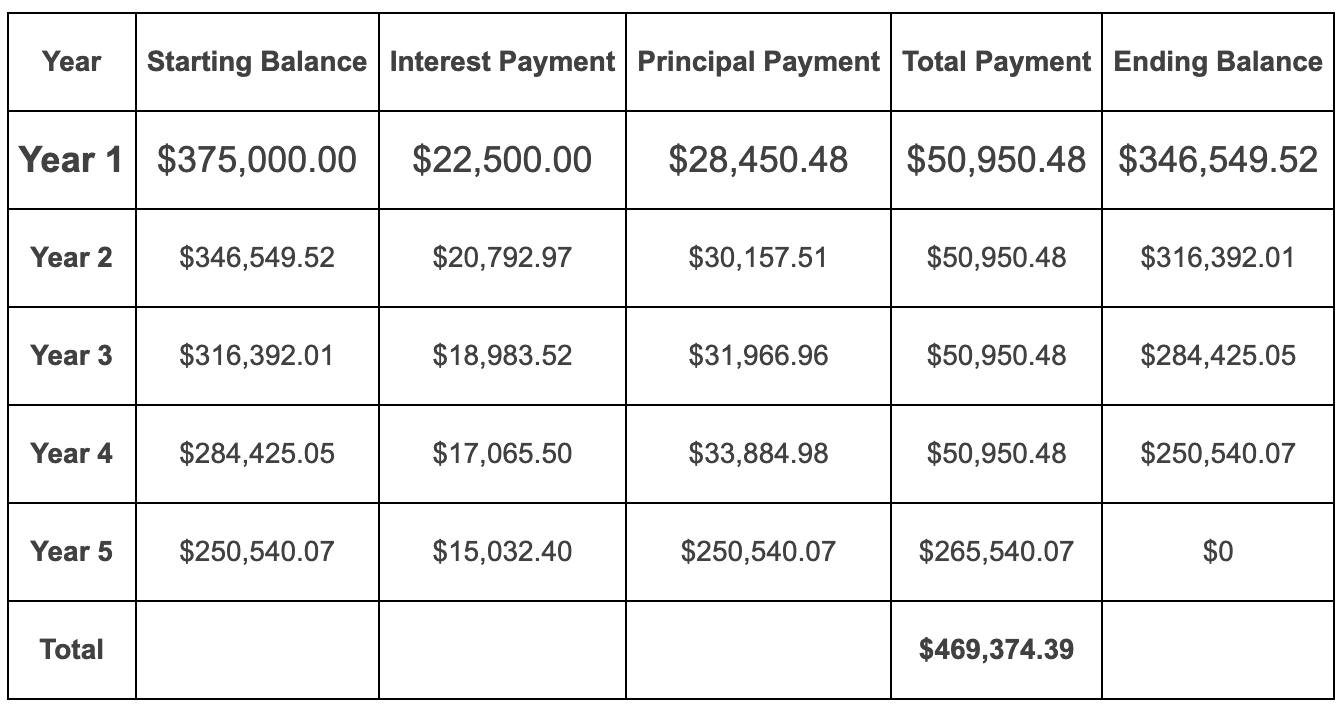
Seller Financing Amortization Schedule
Source: ViaBeacon

Seller’s Disclosure Notice: Financing Terms
Source: CocoDoc

Sale, Financing, Settlement or Lease Addendum
Source: TypeCalendar

Professional Legal Promissory Note
Source: Template.net
Legal Promissory Note with Collateral
Source: Template.net
Professional Legal Promissory Note Layout
Source: Template.net

Promissory Note Format
Source: Template.net
